Magnus Hitch Guide: Light Friction Grip for Rough Cordage
The Magnus Hitch is an adjustable friction hitch that serves as the lightest grip in the traditional progression of slider-and-grip utility knots. In this specific family of adjustable loop knots, the progression runs from the Magnus Hitch as the lightest grip, to the standard Tautline Hitch, and finally to the Midshipman's Hitch as the strongest and most secure structure. Operating on the clean delivery of parallel internal wraps, the Magnus Hitch relies on moderate tension to hold its position. Its primary benefit is that it slides exceptionally well on rough-textured rope where more aggressive friction hitches tend to bind up, making it a highly specialized tool for specific cordage types.
How to Tie the Magnus Hitch
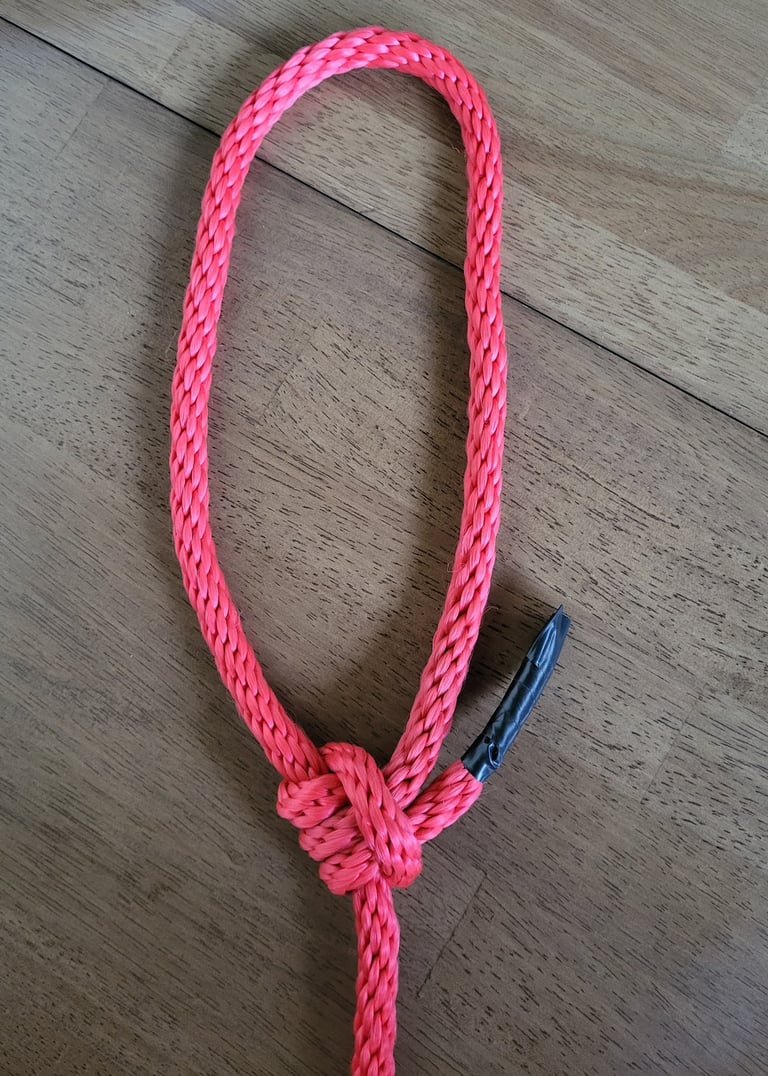
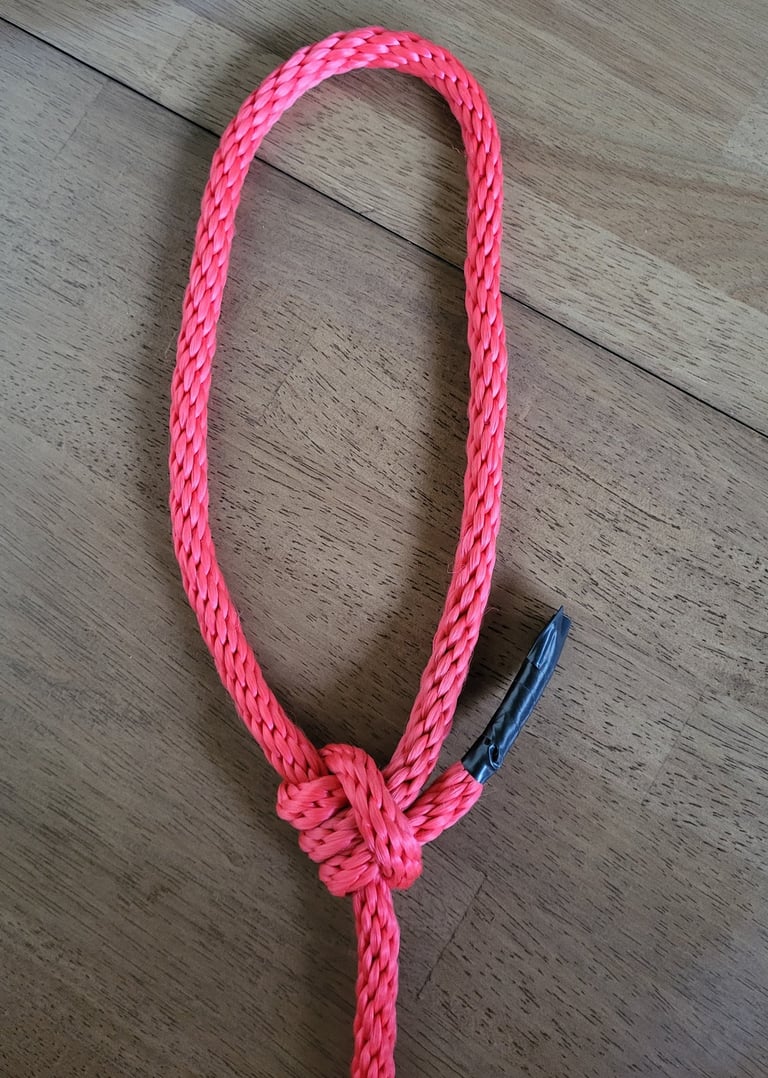
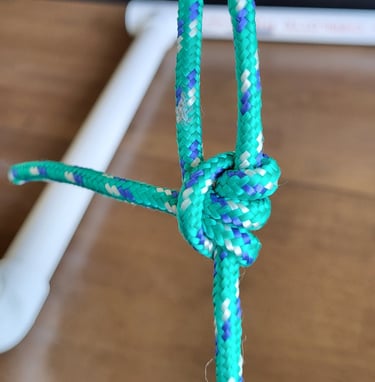
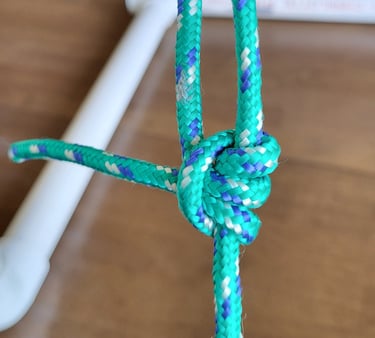
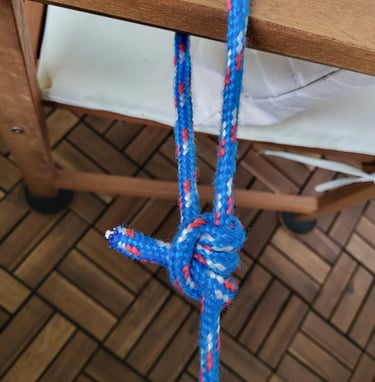
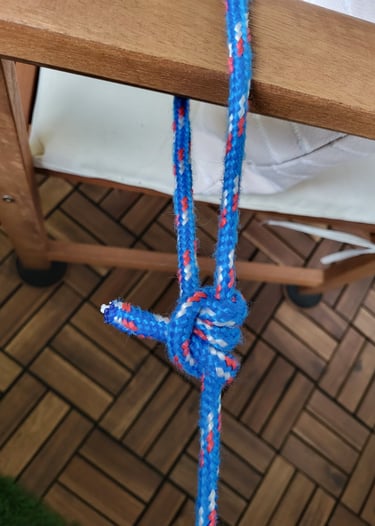
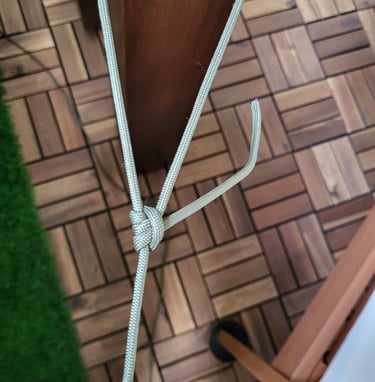
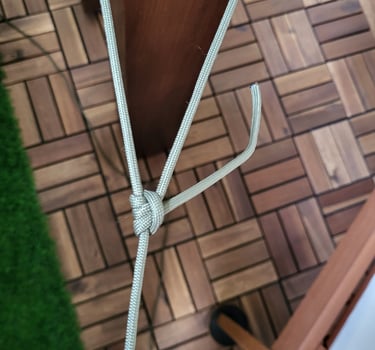
Pass the tag end of the rope around your anchor point (such as a conduit support, strut channel, or stake) and pass it back over the top of the standing line to form a main loop.
Bring the tag end under the standing line and pull it up through the inside of the loop to create your first internal wrap.
Take the tag end and make a second wrap around the standing line inside the loop, laying it cleanly parallel to the first turn.
Move the tag end outside of the main loop, extending further up the standing line away from your anchor point.
Cross the tag end over the standing line and tuck it through to form an external Half Hitch, ensuring its exit direction counteracts line twisting under mild loads.
Pull the tag end tight to dress the knot neatly, allowing the parallel coils to sit flat against the line for a smooth slide.
Summary and Alternative Hitches
Whether you are seeking an easy-to-adjust line for a light tarp cover or managing a high-friction cord for a movable rope barrier, the Magnus Hitch provides a specialized, low-binding solution. It offers a practical lesson in how small variations in wrap placement change the total friction profile of your line.
However, if your specific job site application requires a different level of holding power, you should look into alternative hitches in this class. For standard daily line tensioning on typical synthetic ropes, the Tautline Hitch serves as a great all-around choice. If you are dealing with slick, high-gloss modern synthetic jackets that require maximum security against slipping, the Midshipman’s Hitch provides an advanced structural "awning" configuration that actively bites down to resist heavy loads.
Uses for Electricians and Construction
In commercial and industrial electrical construction, the Magnus Hitch does not see a high volume of daily use compared to heavy-duty alternatives, but it remains an excellent technical tool to have in your field toolkit for unique material setups:
Managing Rough-Textured Lines: When you are working with older, rough, or high-friction utility ropes that cause standard knots to bind, the lighter grip of the Magnus Hitch allows for smooth, regular adjustments without seizing up.
Lightweight Temporary Linework: Perfect for running light-duty alignment strings or leveling lines where cordage friction is already high and a milder grip is preferred to avoid over-tensioning.
Material Staging Covers: Useful for tying down lightweight equipment covers or staging tarps using rough natural-fiber cords, ensuring the knot slides open easily when it's time to pack up the site.
Safety Warning: Because the Magnus Hitch represents the most moderate grip in this friction hitch family, it is highly prone to slipping on slick synthetic lines and should never be used for critical wire pulls, overhead rigging, or material lifts.
Safety Disclaimer: ⚠️ Material Handling Only
The knots and techniques demonstrated on this site are intended strictly for material handling, wire pulling, and equipment securement. > Never use these hitches and knots for life safety, fall protection, or overhead lifting of loads where a failure could result in injury or death. Always use OSHA-compliant, load-rated hardware (harnesses, shackles, and slings) for critical lifts. Your safety team is there for a reason—consult them for high-risk tasks. Master the craft, stay out of pinch points, respect the load, and live to tie knots another day.
Questions or tips? Reach out anytime. I would love to hear about new knots and techniques.
Check out my YouTube channel for knot tying, rigging tips, and other electrician related tutorials.
© 2025. All rights reserved.
I made this website by myself with Hostinger Website Builder. Try it and start building your idea, today.