Tautline Hitch - A camping tool with construction utility
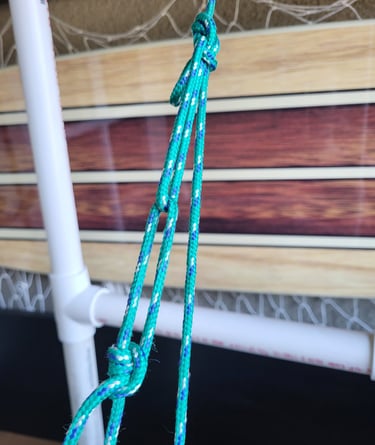
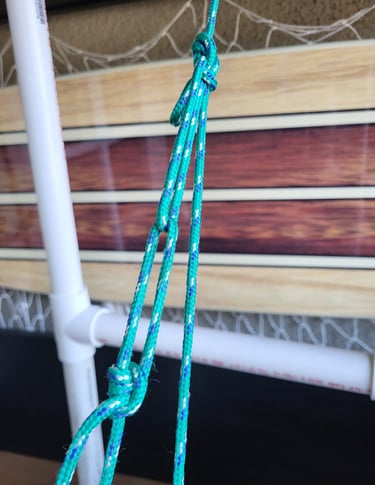
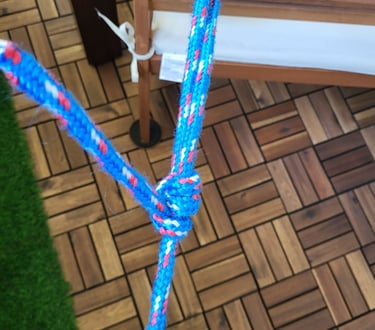
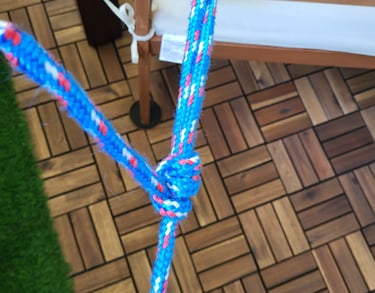
The Tautline Hitch is a useful friction hitch that every tradesman and outdoor enthusiast should have in their regular rotation. Operating on the principle of friction and adjustable tension, this knot relies on its internal coils pinching the standing line to hold its position under load. Its real beauty lies in its versatility: when the line is slack, you can smoothly slide the knot up or down the rope to adjust tension or length, but the moment a load is applied, the internal wraps bite down hard and lock securely in place. It essentially acts as a reliable, manual tensioning mechanism without the need for mechanical hardware.
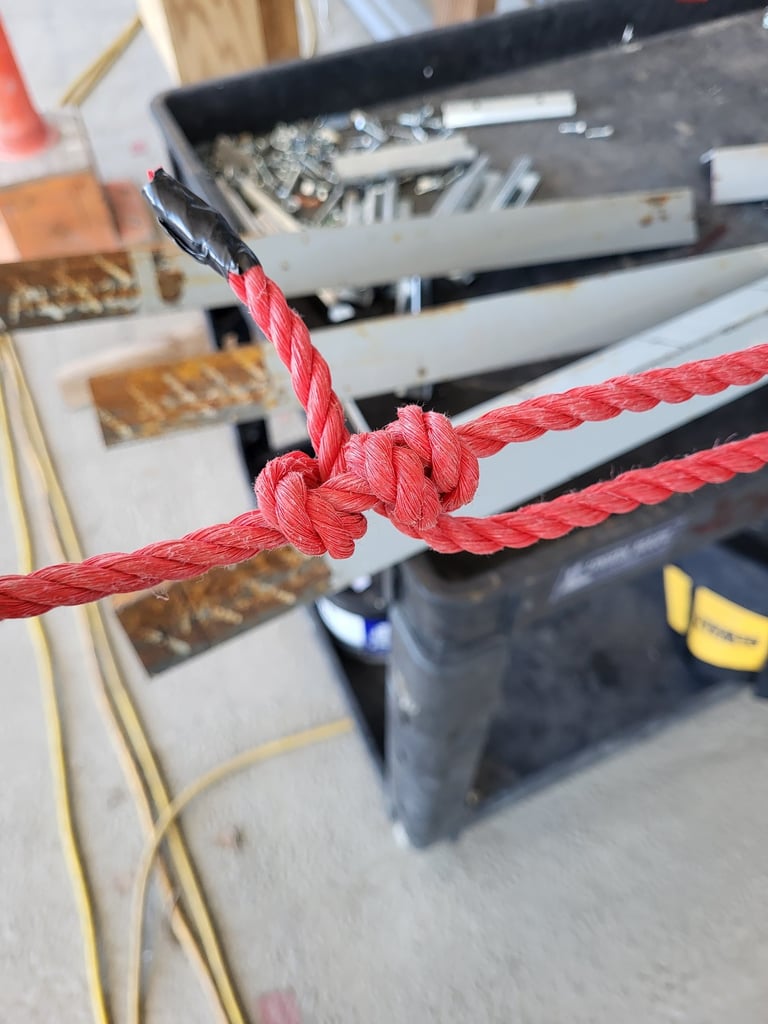
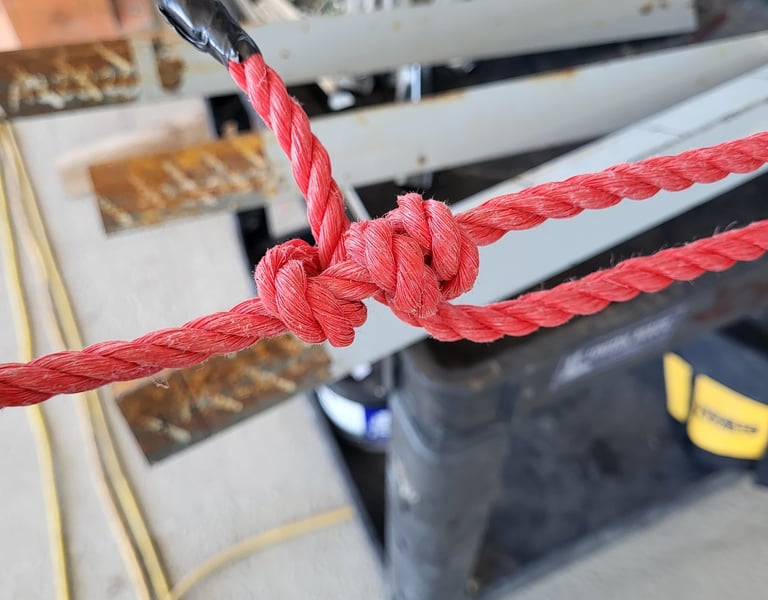


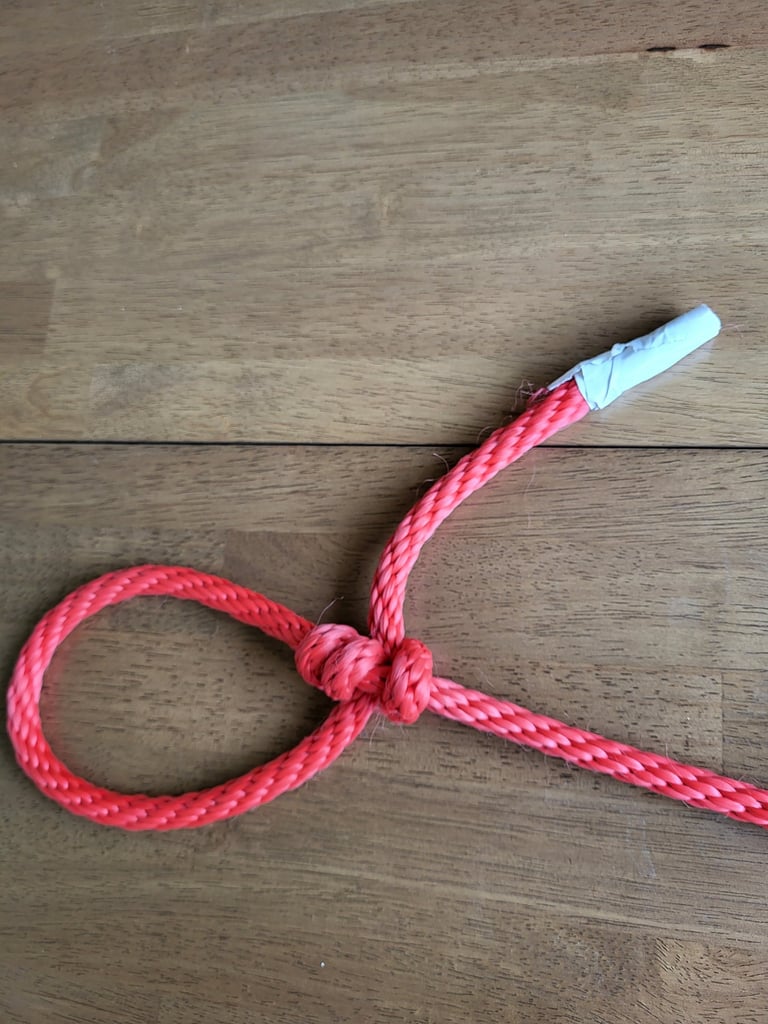
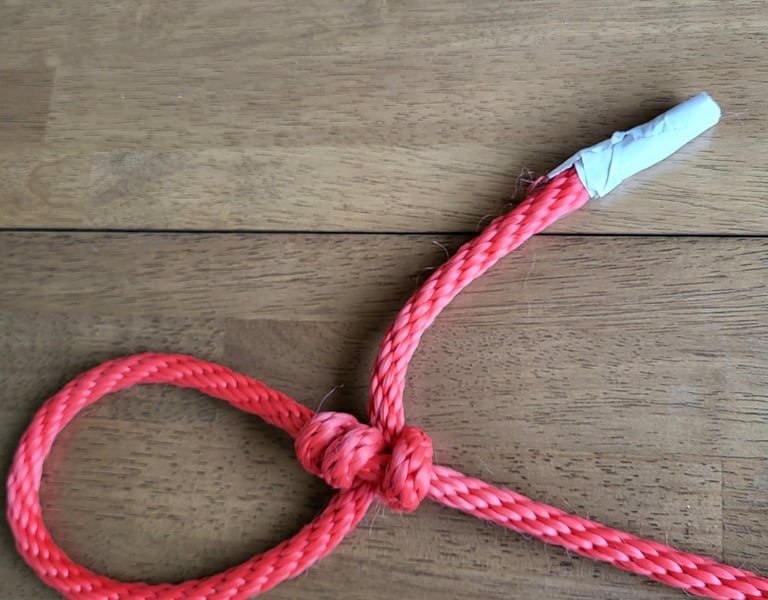
Uses for Electricians and Construction
In industrial and commercial electrical work, the Tautline Hitch is a highly versatile knot for establishing temporary, adjustable layouts. Because it functions as a friction-dependent sliding knot, it allows for quick, on-the-fly tension adjustments across a variety of field applications:
Layout and Alignment: Ideal for stringing long alignment lines, making it easy to retighten the string when leveling conduit runs, laying out lighting tracks, or aligning cable trays.
Material Staging and Protection: Used to tie down tarps over sensitive gear, secure lightweight equipment covers, or hang temporary construction lighting where heights need frequent tweaking.
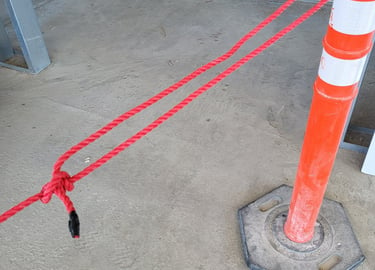
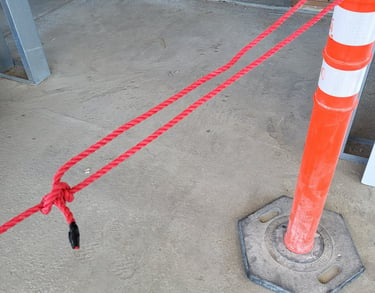
Safety Perimeters: Excellent for setting up barrier ropes, allowing you to easily expand or contract the safety perimeter as needed.
Rigging Finishes: Functions as an effective finish knot for a trucker’s hitch—simply tie it onto the line after the midline pivot and slide it back to lock in the tension.
How to Tie the Tautline Hitch
Pass the tag end of the rope around your anchor point (such as a pipe, a delineator cone, or a stake) and bring it back over the top of the standing line to form a loop.
Bring the tag end under the standing line and pull it up through the inside of the loop to create your first internal wrap.
Take the tag end and make a second wrap around the standing line, keeping it completely inside the main loop and tucked tight against the first wrap.
Move the tag end outside of the main loop, further up the standing line away from the anchor point.
Cross the tag end over the standing line and tuck it through the new loop you've created, forming a clean external Half Hitch.
Pull the tag end tight to dress the knot, ensuring the internal coils lay parallel without overlapping, and slide it to set your tension.
The Tautline Hitch has deep roots in maritime and bushcraft history, evolving from early naval variations of midshipman's hitches used to secure rigging on sailing vessels. Over the centuries, it became a foundational knot taught globally in scouting organizations and pioneering handbooks due to its simplicity and utility in pitching tents and securing cargo. As industry progressed, tradesmen adopted the knot for onshore utility work, recognizing that the same mechanics used to keep ship sails or canvas tents taut under heavy winds worked perfectly for managing tensioned lines on a rugged job site.
Summary and Alternative Hitches
Whether you are securing a tarp over an open pallet of materials or pulling a perfectly straight string line across a commercial ceiling grid, the Tautline Hitch delivers reliable performance with zero hardware required. It is a quick, dependable solution for any scenario where lines need to be adjusted frequently but must hold fast under a load.
However, depending on your cordage material and tension requirements, you might want to look at similar hitches in this family. For a more secure hold on slick, modern synthetic ropes, the Midshipman's Hitch offers an improved geometry where the second wrap forms an "awning hitch" structure to actively resist slipping. If you need to tie an adjustable loop where the friction profile is slightly more mild, the Magnus Hitch (often referred to simply as an adjustable hitch when tied back onto its own standing line) behaves similar to a Tautline Hitch with an easier-to-slide grip. Conversely, if you need a knot that pinches tightly downward rather than sliding fluidly, the Jam Hitch and Rolling Hitch Ziptie flip the orientation of a standard tautline-style friction hitches to function like a heavy-duty, reusable rope zip-tie.
To see exactly how these options stack up under a load and find out which one handles specific synthetic jackets best, check out our upcoming comprehensive friction hitch comparison guide. Mastering these subtle shifts in your wrap placement ensures that your lines stay tensioned exactly where you set them, making your setup cleaner, faster, and highly professional.
Safety Warning: Because the Tautline Hitch relies entirely on friction to hold its position, it should never be used for heavy wire pulls, high-torque rigging, or safety-critical overhead lifting.
Safety Disclaimer: ⚠️ Material Handling Only
The knots and techniques demonstrated on this site are intended strictly for material handling, wire pulling, and equipment securement. > Never use these hitches and knots for life safety, fall protection, or overhead lifting of loads where a failure could result in injury or death. Always use OSHA-compliant, load-rated hardware (harnesses, shackles, and slings) for critical lifts. Your safety team is there for a reason—consult them for high-risk tasks. Master the craft, stay out of pinch points, respect the load, and live to tie knots another day.
Questions or tips? Reach out anytime. I would love to hear about new knots and techniques.
Check out my YouTube channel for knot tying, rigging tips, and other electrician related tutorials.
© 2025. All rights reserved.
I made this website by myself with Hostinger Website Builder. Try it and start building your idea, today.