Round Turn and Two Half Hitches
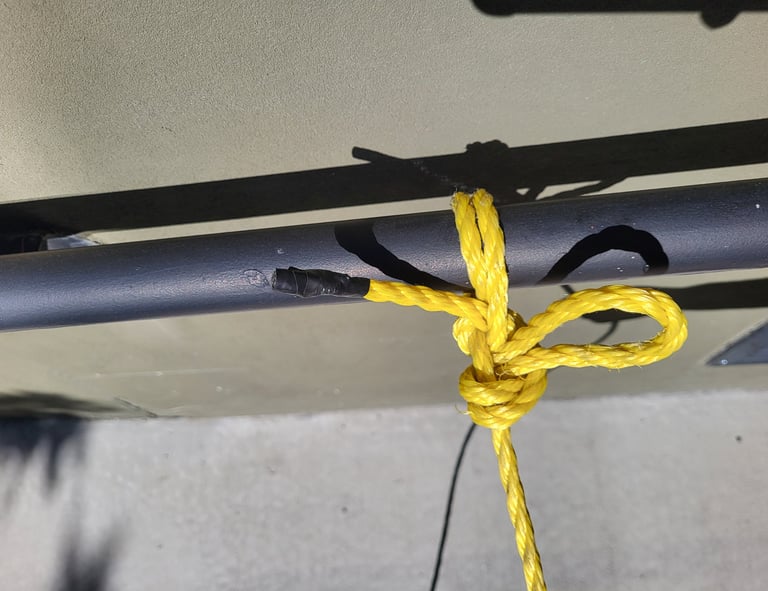
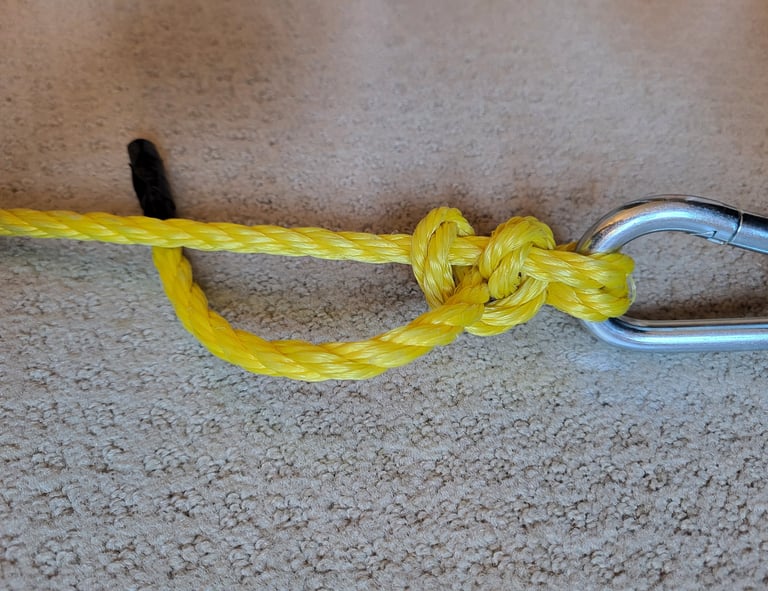
The Round Turn and Two Half Hitches is a staple for any journeyman dealing with high-tension wire pulls or securing heavy equipment to an anchor point. While many hitches fail or slip when a rope is under constant load, this knot excels because it allows you to take the strain of the load before you even finish tying the hitches.
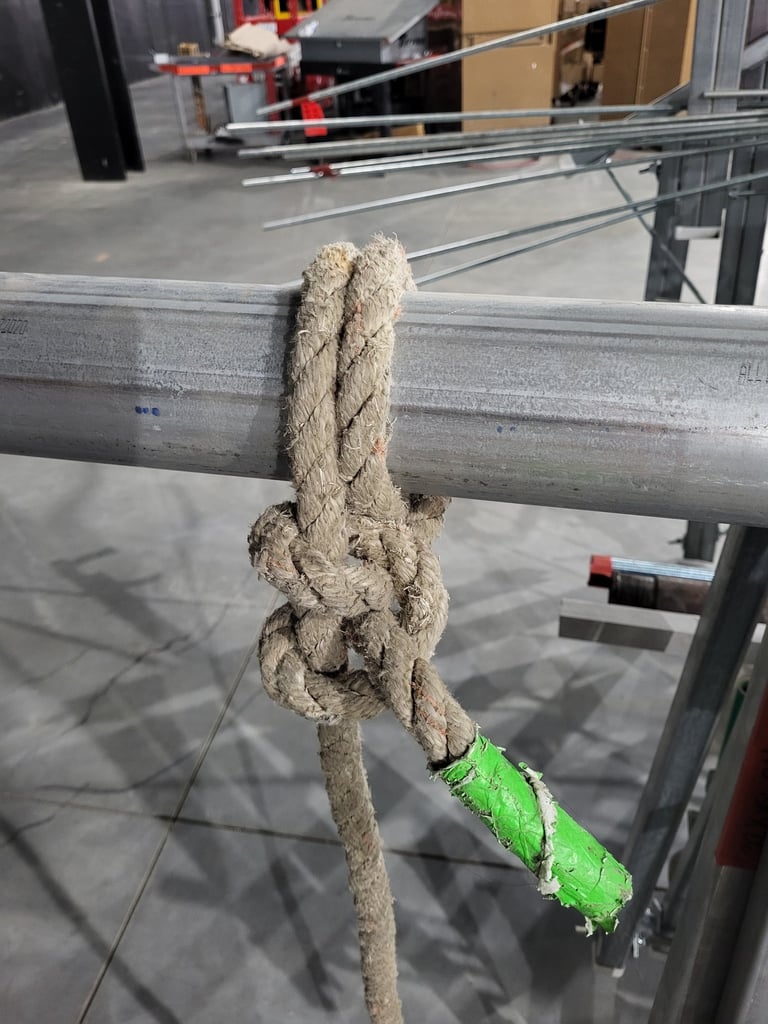
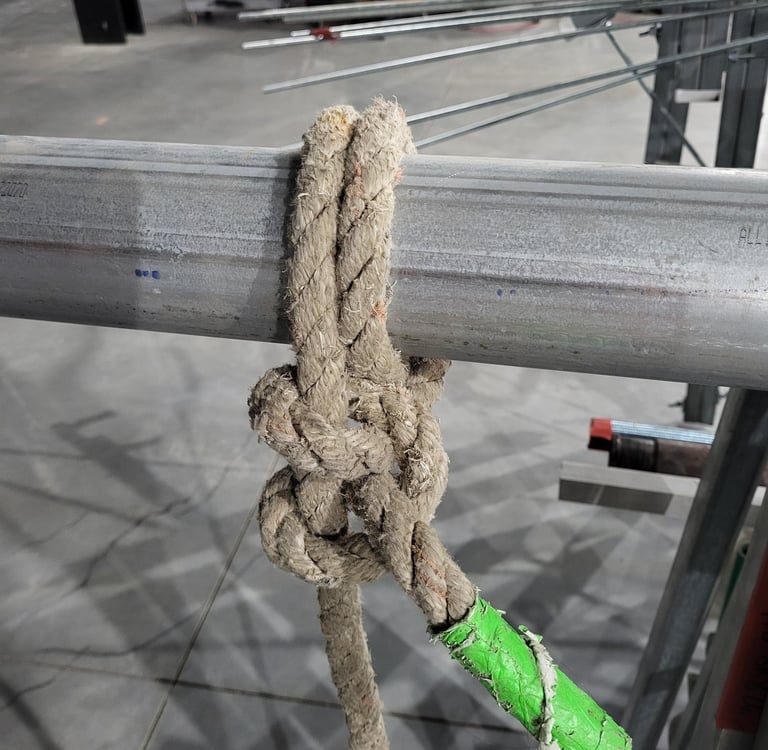


Wireman’s Perspective
While I often reach for a Trucker’s Hitch when I need to mechanical advantage to tighten a line, the Round Turn and Two Half Hitches is my go-to for maintaining a line that is already tight. It’s simple, it won’t jam under heavy load, and it’s easy to untie even after it’s been strained by a 500 MCM cable pull.
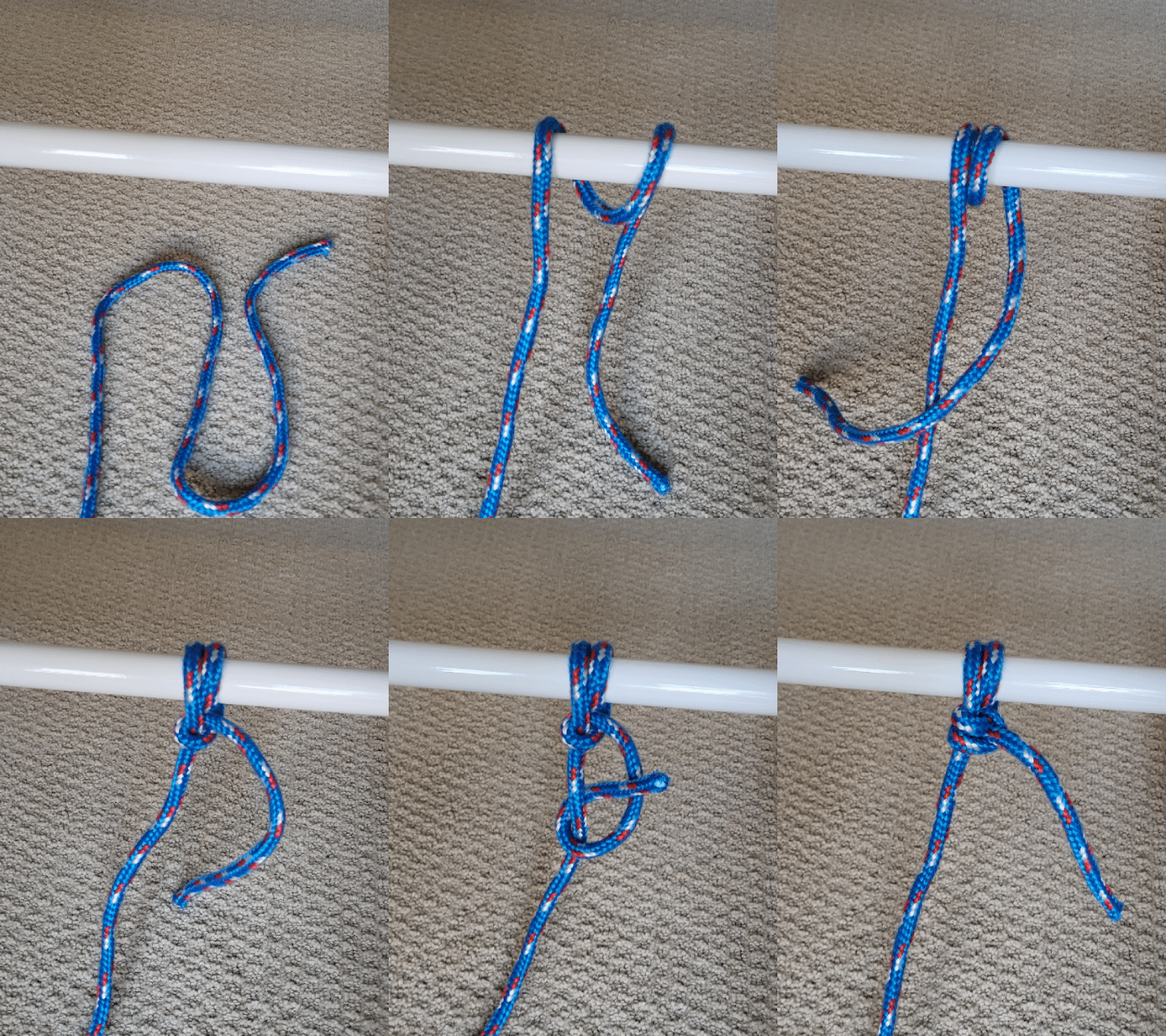
How to Tie it Like a Pro
The Round Turn: Pass your rope around the anchor point twice. This creates the "Round Turn." In industrial settings, ensure your wraps are neat and not overlapping to maximize surface friction.
Maintain Tension: Pinch the wraps against the anchor. This allows you to hold the load with one hand while the other hand works the tail.
The First Half Hitch: Bring the working end over the standing line (the part under tension) and tuck it through the loop.
The Second Half Hitch: Repeat the process, tying a second half hitch in the same direction. This creates a Clove Hitch around the standing line.
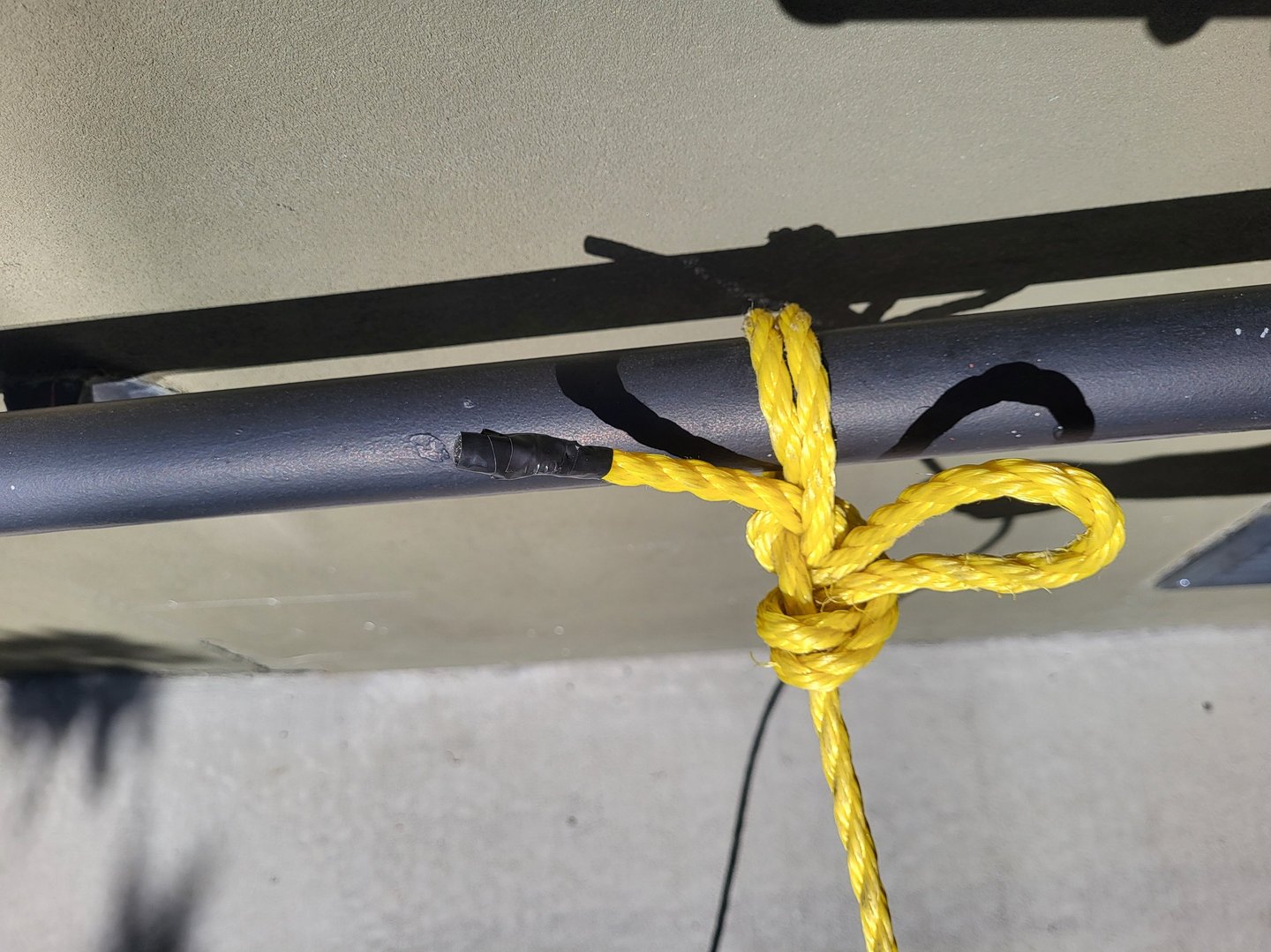
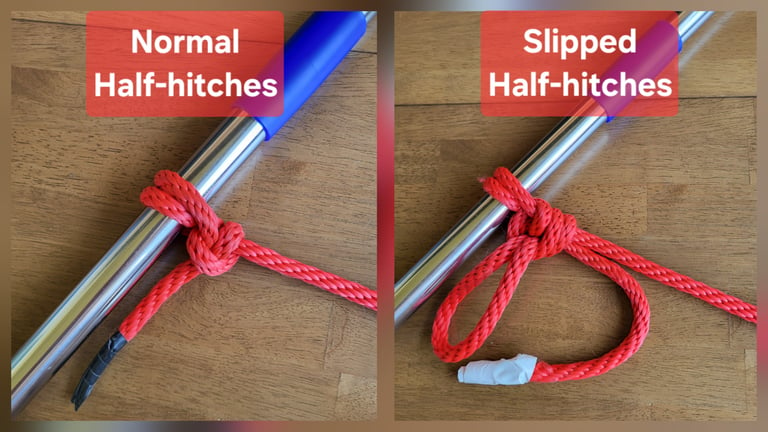
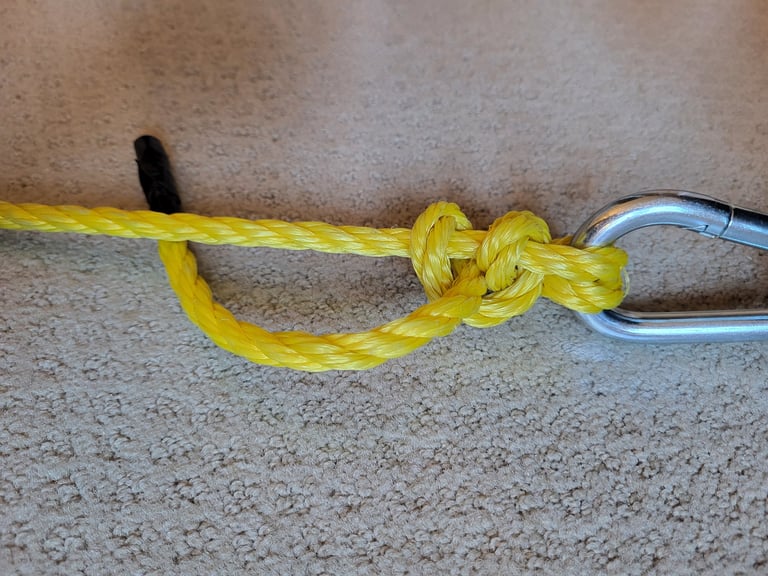
Pro Tip: For a quick-release setup during temporary wire management, you can "slip" the final half hitch by passing a bight (loop) through instead of the full tail.
Quick Comparison: Why not a Clove Hitch or Bowline?
When you’re reefing on a heavy load, choosing the right knot isn't just about strength—it’s about mechanical practicality under load.
The Clove Hitch: While fast, a Clove Hitch can slip on smooth conduit or bind so tight under a heavy 500 MCM pull that you’ll need a folding knife to get it off. The Round Turn avoids this by taking the "bite" on the anchor first.
The Bowline Knot: Every electrician knows the Bowline is the "King of Knots," but it has a major weakness: it is nearly impossible to tie under tension. To tie a Bowline, you need slack to form the initial "rabbit hole" (the loop). If the wire or pull-tape is already screaming tight, you’ll lose your progress the second you try to form the knot.
The Winner: The Round Turn and Two Half Hitches wins in this specific scenario because you can "catch" the tension with the wraps and then safely tie your hitches without fighting the weight of the cable.
Origins & Background
The Round Turn and Two Half Hitches is one of the oldest, most foundational hitches in maritime history, dating back centuries to the era of square-rigged sailing ships. Documented in Clifford Ashley’s The Ashley Book of Knots (ABOK #1720), this hitch was developed specifically to address a critical flaw in simpler ties: severe friction lock-up under heavy loads. Sailors needed a knot that could hold a heavy vessel or strained rigging to a mooring post or ring without jamming, yet remain easy to cast off when it was time to weigh anchor.
The brilliance of the hitch lies in its separation of duties—the "round turn" (a full turn and a half around the anchor point) absorbs nearly all the physical tension through surface friction, leaving the "two half hitches" to act merely as a light lock on the working end. This functional division made it an indispensable workhorse across centuries of seamanship, heavy cargo handling, and timber rafting. As industrial trades evolved, the hitch transitioned seamlessly from hemp ship lines to modern synthetic cordage, wire pulls, and job site rigging, remaining the ultimate non-jamming anchor knot for heavy, continuous loads.
Safety Disclaimer: ⚠️ Material Handling Only
The knots and techniques demonstrated on this site are intended strictly for material handling, wire pulling, and equipment securement. > Never use these hitches and knots for life safety, fall protection, or overhead lifting of loads where a failure could result in injury or death. Always use OSHA-compliant, load-rated hardware (harnesses, shackles, and slings) for critical lifts. Your safety team is there for a reason—consult them for high-risk tasks. Master the craft, stay out of pinch points, respect the load, and live to tie knots another day.
Questions or tips? Reach out anytime. I would love to hear about new knots and techniques.
Check out my YouTube channel for knot tying, rigging tips, and other electrician related tutorials.
© 2025. All rights reserved.
I made this website by myself with Hostinger Website Builder. Try it and start building your idea, today.