Icicle Hitch - The King of Friction Hitches
Most knots fail when things get slick, but the Icicle Hitch thrives on it. Whether you're pulling heavy THHN conductors through wet PVC or securing a load on a polished steel pipe, this is the most secure friction hitch in a tradesman's arsenal. While other hitches slide or bind, the Icicle Hitch is specifically engineered for "longitudinal pull"—meaning the harder you tug parallel to the object, the tighter it bites. It’s the ultimate "insurance policy" for high-stakes wire pulls.
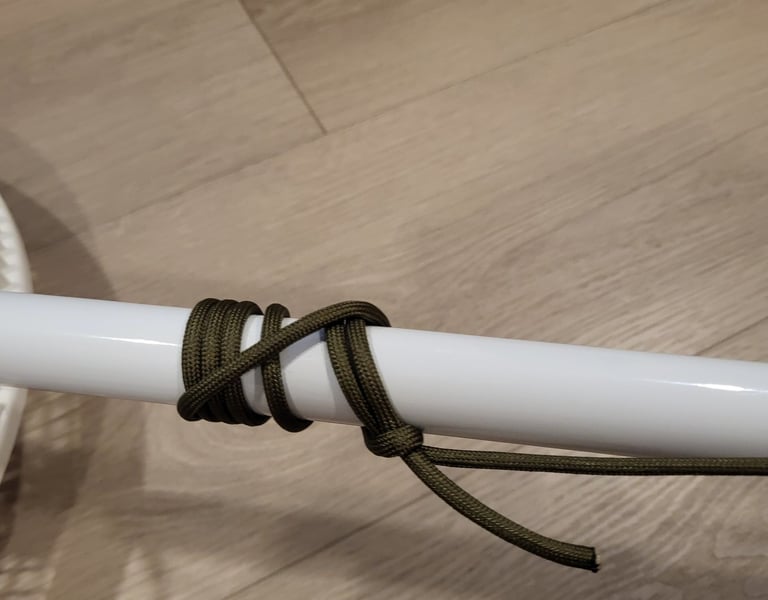
How to Tie the Icicle Hitch
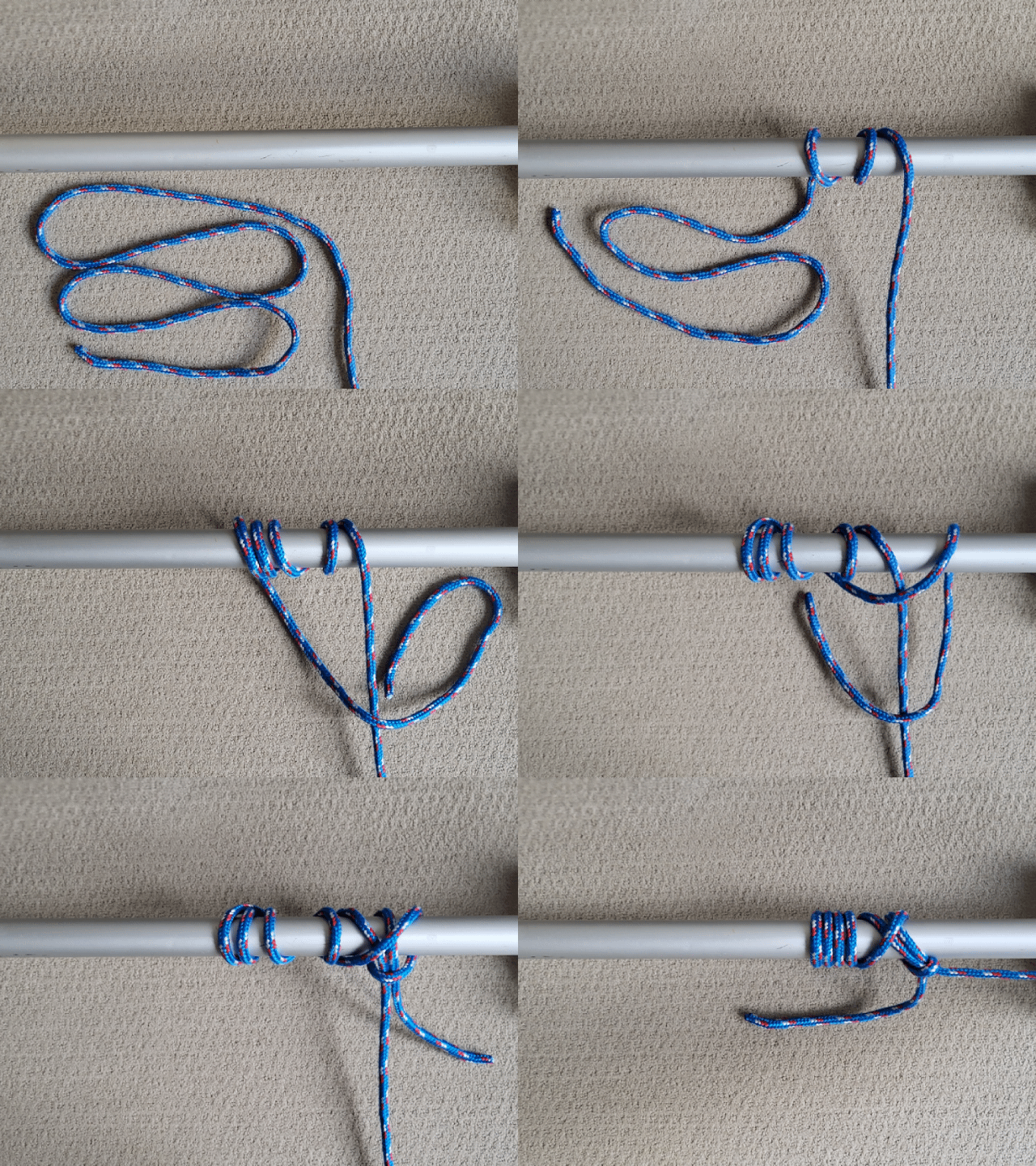
Step 1: Drape the rope over the wire, leaving a long tag end.
Step 2: Make 4 to 5 wraps around the wire, moving upward in the direction of the intended pull.
Step 3: Bring the tag end back down, crossing it over the standing end (the part you’ll be pulling).
Step 4: Pass the tag end over and around the front of the wire one more time.
Step 5: Cross the tag end back over the standing end again.
Step 6: Pass the tag end under the wire and tuck it through the final loop you just created.
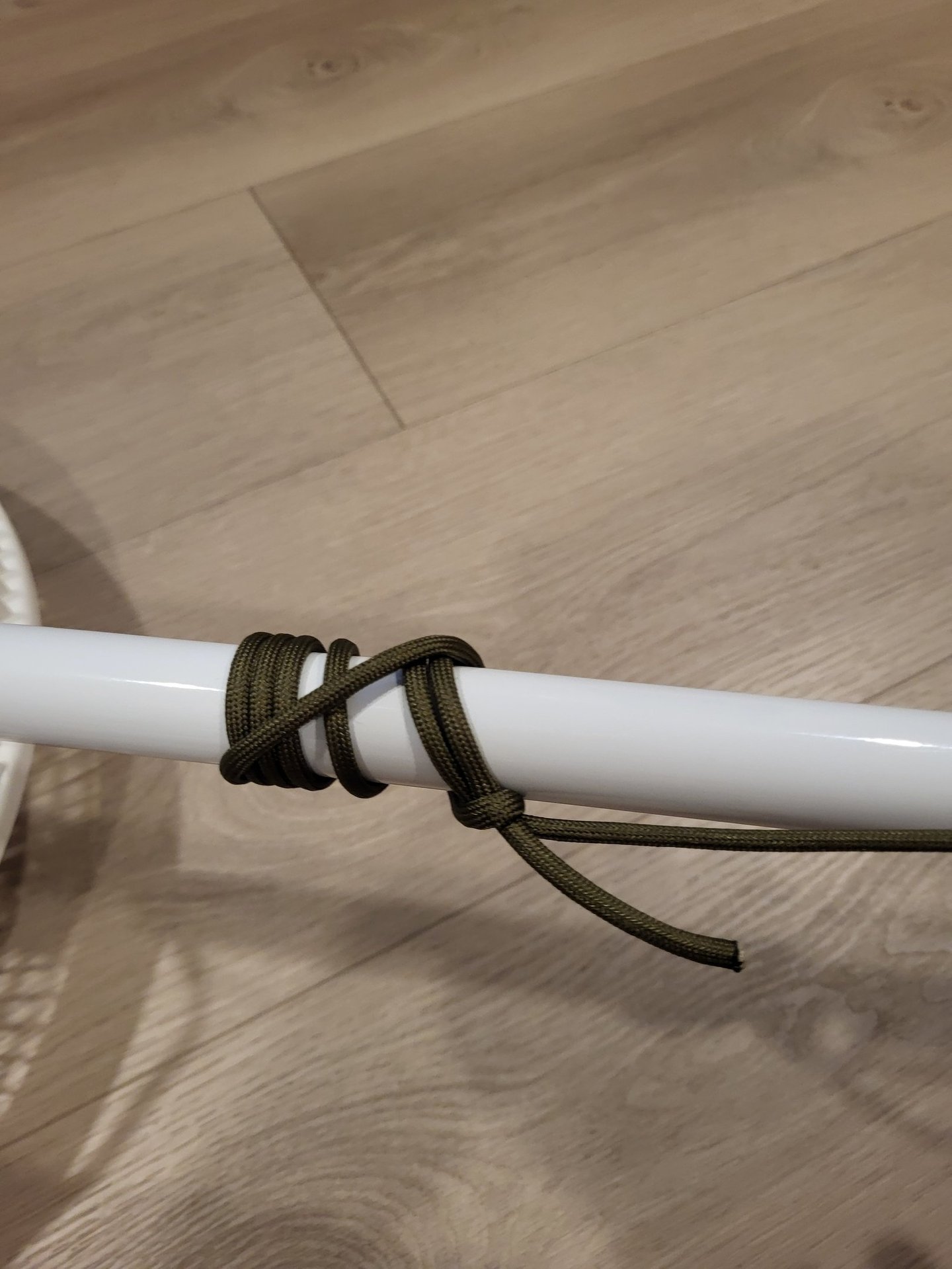
Step 7: Pull both ends to set the knot. The tag end and standing end should exit the knot from the same side.
Quick Check
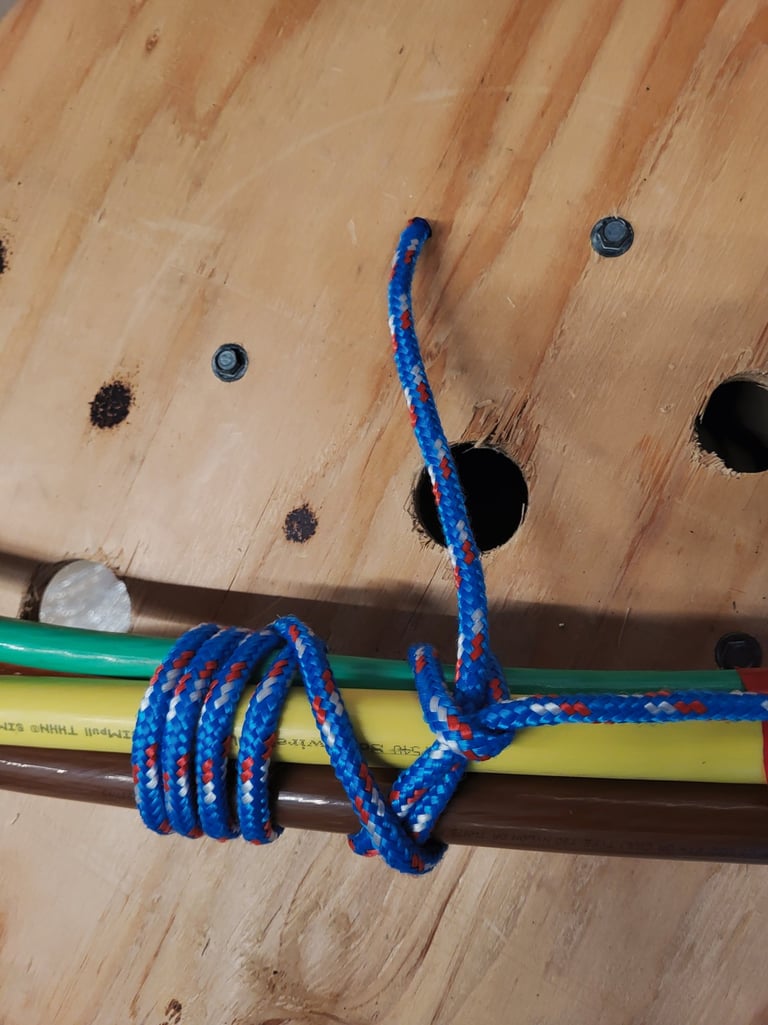
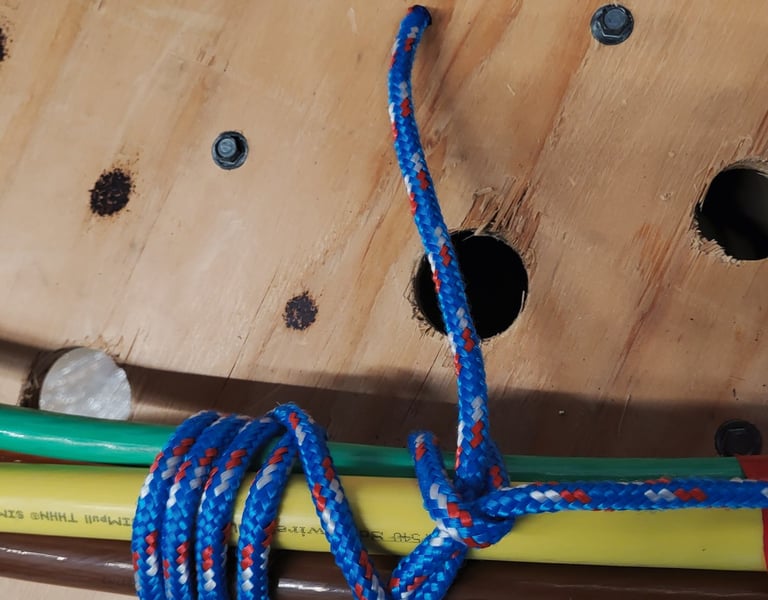
Does it look right? When finished, the Icicle Hitch should look like a coil with a counter-directional spiral crossing back over and an elbow containing the Standing Line and Tag end on the opposite side. If it doesn't look right, verify your direction you cross the tag end over the wire from Step 4—the cross-over is what creates the locking friction.

Pro-Tip: While it’s a beefier knot, that bulk is what creates the surface area needed for the grip. If you’re pulling through a tight 1" conduit, ensure your wraps are dressed (laid flat and side-by-side) to keep the profile as slim as possible.
The History of the Icicle Hitch
The Origin: The knot was first introduced to the public in 1990 by John Smith (an experienced knot-tyer and member of the International Guild of Knot Tyers).
The Testing: Smith presented it at a guild meeting in the UK. To prove its strength, he tied it to a tapered glass marlinspike (a very smooth, cone-shaped tool). Despite the taper and the slick surface of the glass, the knot held firm under immense pressure where every other hitch failed.
The Name: It earned the name "Icicle Hitch" precisely because it can maintain a grip on surfaces as smooth and slippery as a literal icicle.
Modern Utility: While it started in the world of sailing and arboriculture, it has been adopted by electricians and tower climbers because it outperforms the standard Clove Hitch or Timber Hitch when dealing with modern, low-friction cable jackets.
Why Electricians love this Knot:
For Heavy Wire Pulls: The Icicle Hitch is a game-changer for long conduit runs and big conductors. If you need to get through all of those 90 degree bends without the pull rope slipping off the wire, this hitch is a great option! For the best results, tie the hitch 2–3 feet back from the head and finish with a Half Hitch 6 inches from the end.
Mid-Run Bites: Sometimes you have to pull a run of wire in multiple segments, often from there simply being too many degrees of bend in a run. This hitch is amazing for grabbing wire coming out of a pull can. No need to reposition the tugger, just keep sliding the hitch up the wire for each bite.
End-of-Run Bites: If your rope hits the tugger's capstan (the metal spool you wrap the rope on) before you have sufficient wire, don't sweat it. You don't have to retie or change the pulling set-up. Just slide the Icicle Hitch further up the wire, reset your rope on the tugger, and keep pulling.
High-Gloss Jackets and Pulling Lubricant: Unlike a Clove Hitch, a Timber Hitch, or a series of Half Hitches, which can slip on modern low-friction cables, the Icicle Hitch bites harder the more tension you apply. And a slick coating of pulling lube is no match for the Icicle's powerful bite.
Universal Utility: It’s not just for wire. Use it as a rock-solid anchor for securing pipe or securing to a parallel conduit when there's nothing else around.
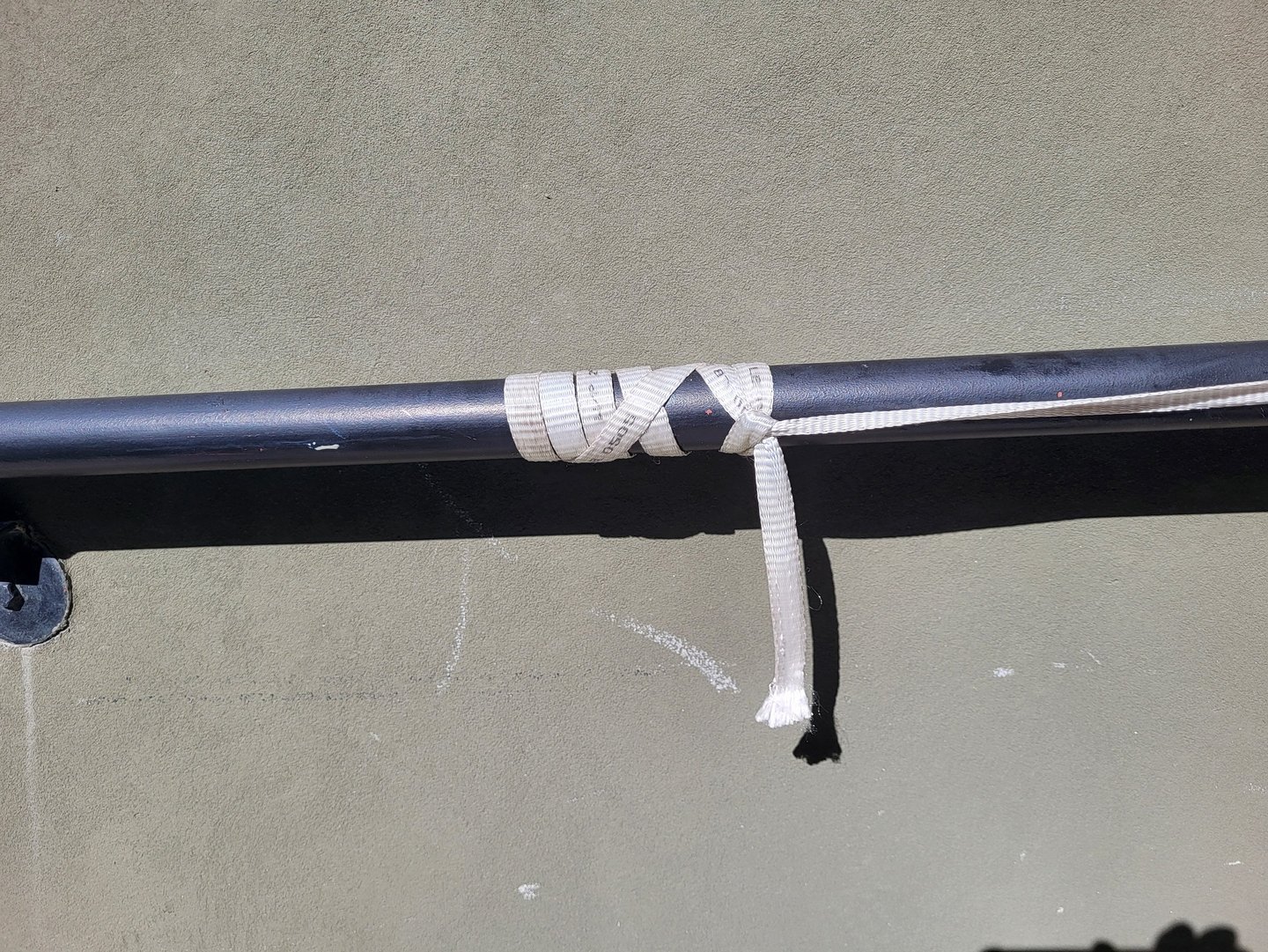
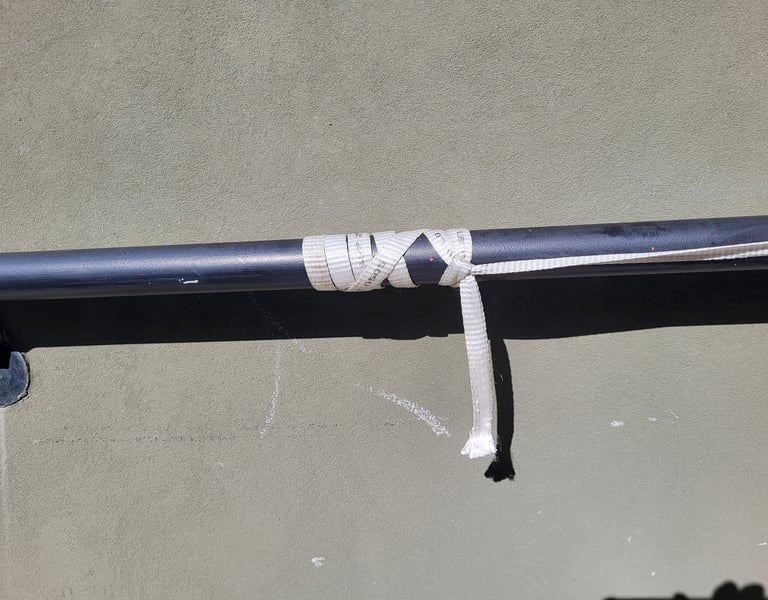
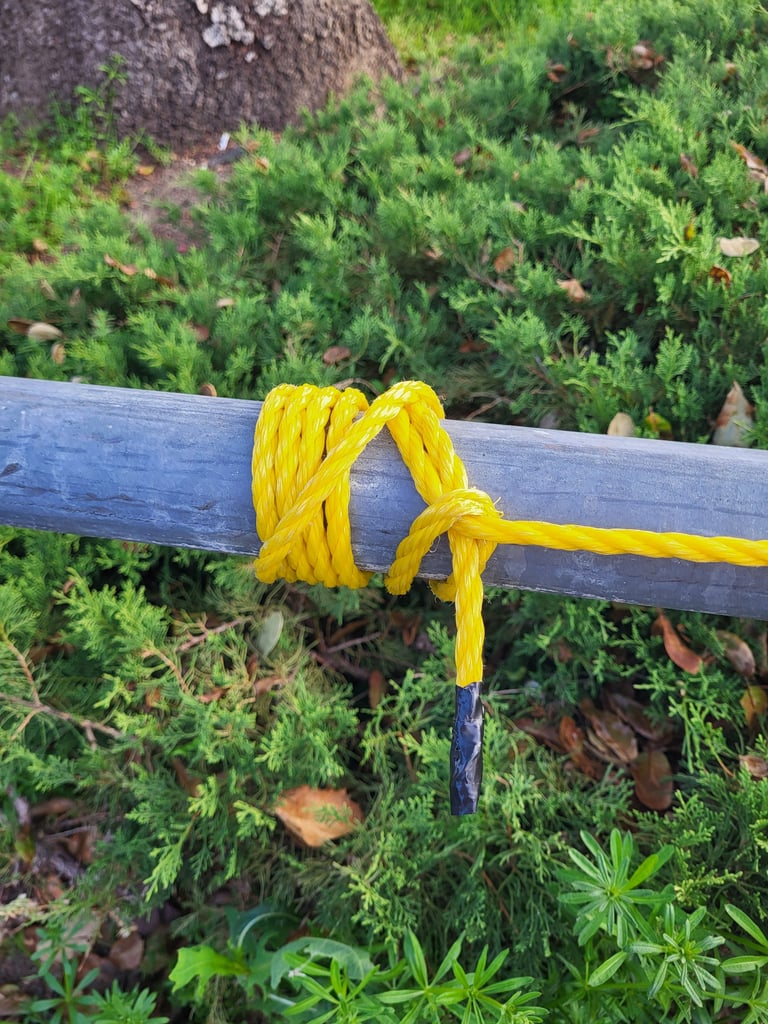
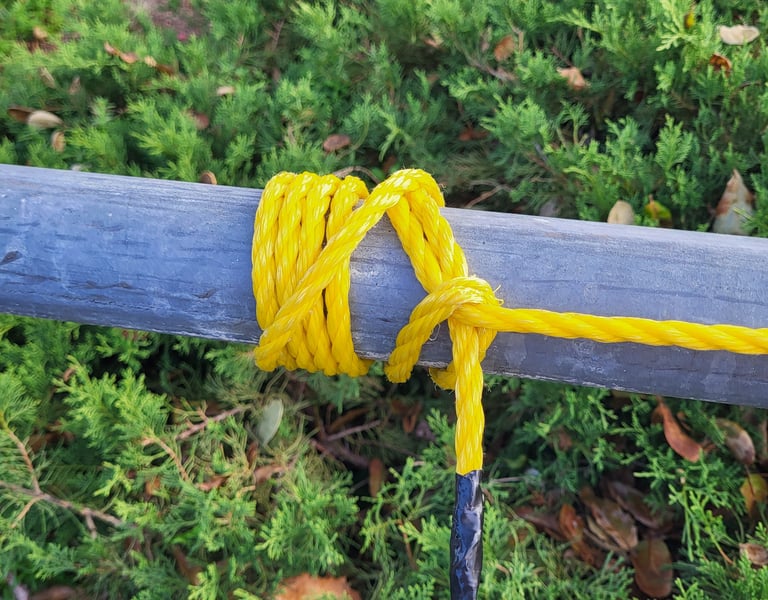
Mastering the Icicle Hitch gives you a massive advantage when dealing with the slickest cables and most demanding longitudinal pulls. By adding this "king of friction hitches" to your repertoire, you ensure that your setups remain secure even in conditions where standard knots fail. Whether you are navigating tight 1-inch conduit or managing heavy wire pulls in wet environments, the reliability of a well-dressed Icicle Hitch is your best insurance policy on the job site.
If you are looking for another high-performance option for your rigging kit that's a little easier to tie, be sure to check out our guide on the Schwäbisch Hitch, which offers incredible control and easy adjustment for heavy-duty pulling.
For a full break-down and methodical comparison of pulling hitches, this blog has you covered: Pulling Hitches For Heavy Duty Wire.
Safety Disclaimer: ⚠️ Material Handling Only
The knots and techniques demonstrated on this site are intended strictly for material handling, wire pulling, and equipment securement. > Never use these hitches and knots for life safety, fall protection, or overhead lifting of loads where a failure could result in injury or death. Always use OSHA-compliant, load-rated hardware (harnesses, shackles, and slings) for critical lifts. Your safety team is there for a reason—consult them for high-risk tasks. Master the craft, stay out of pinch points, respect the load, and live to tie knots another day.
Questions or tips? Reach out anytime. I would love to hear about new knots and techniques.
Check out my YouTube channel for knot tying, rigging tips, and other electrician related tutorials.
© 2025. All rights reserved.
I made this website by myself with Hostinger Website Builder. Try it and start building your idea, today.