Sheet Bend - A rope-handling foundation for the Construction Trades.
This is an easy bend to join 2 ropes together. It works well with 2 dissimilar ropes as well. The name "Sheet Bend" comes from people using it to tie the corner of a sheet. It works well for tarps or heavy plastic too, especially if you don't have a grommet to tie through. Just grab a handful of the corner and fold it over to make a bight, then tie the rope with this knot.
How to Tie:
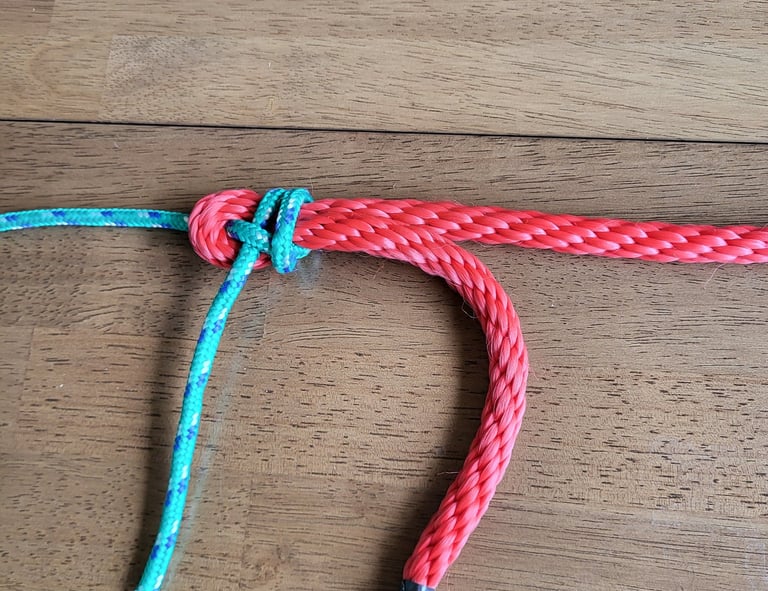
Make a bight in one rope. Pass the tag end of the other rope through the bight, make a turn around the other rope and then run under its own standing line to make a hitch. Watch the direction you rotate around the first bite so the tail ends are on the same side of the bend.
This knot can be doubled or tripled to make it even more secure. Just make additional turns around the originating rope's bight.
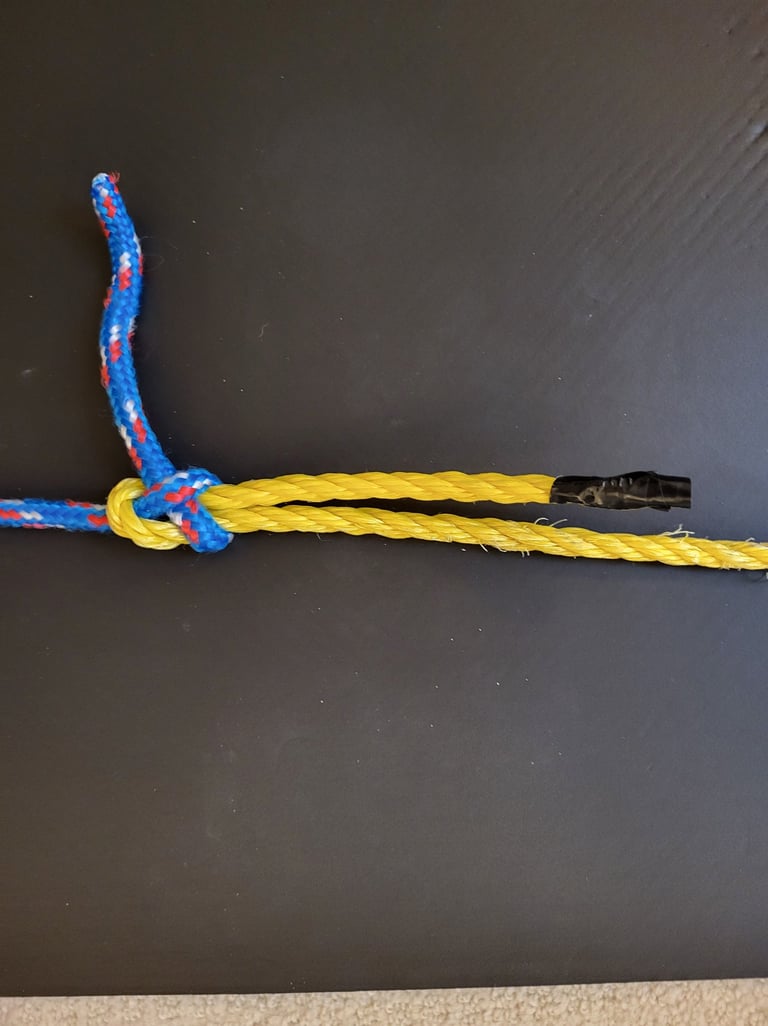
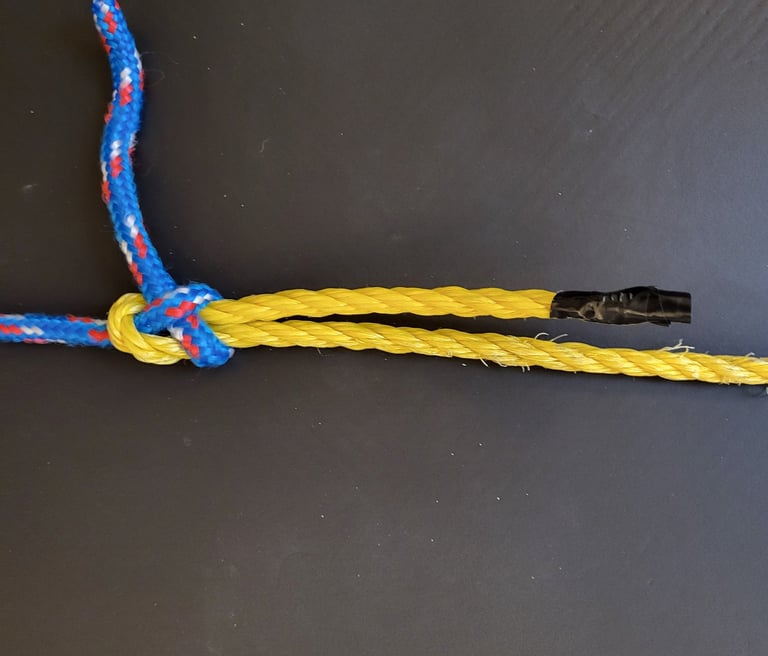
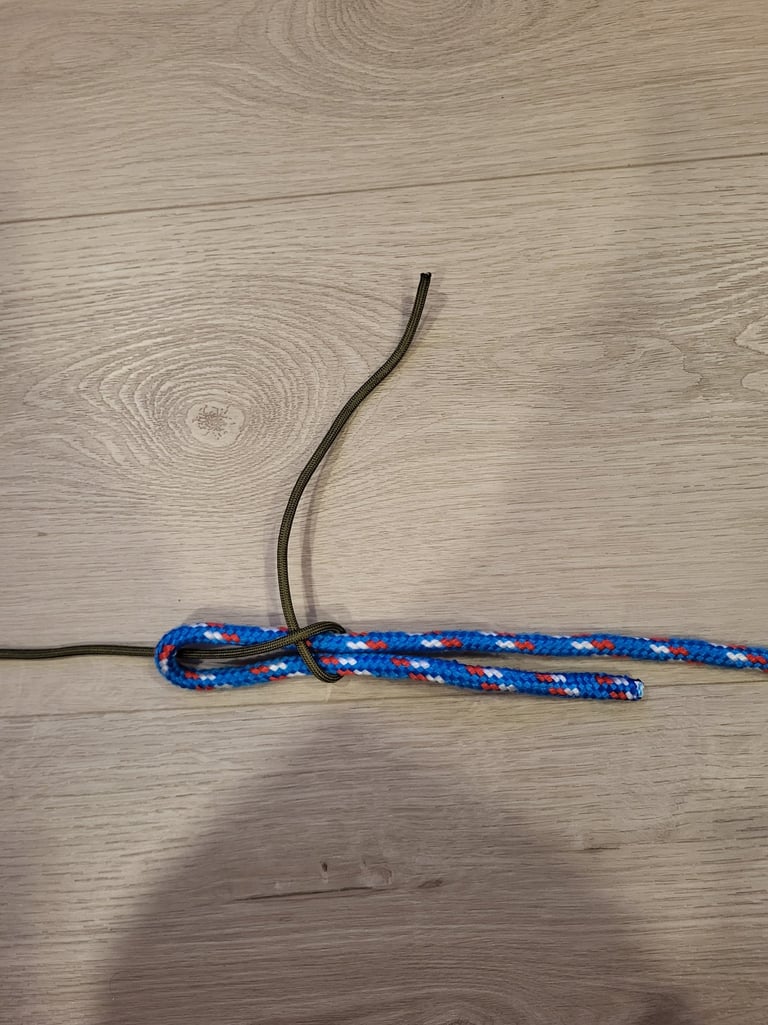
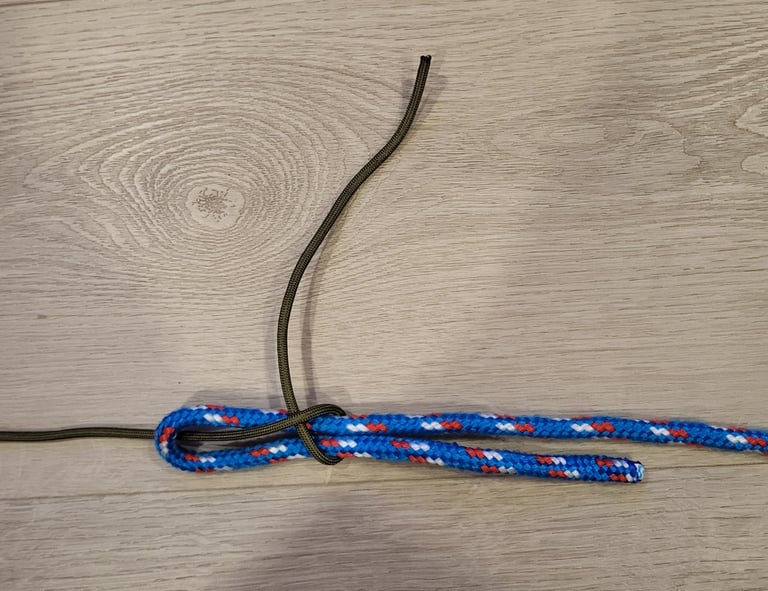
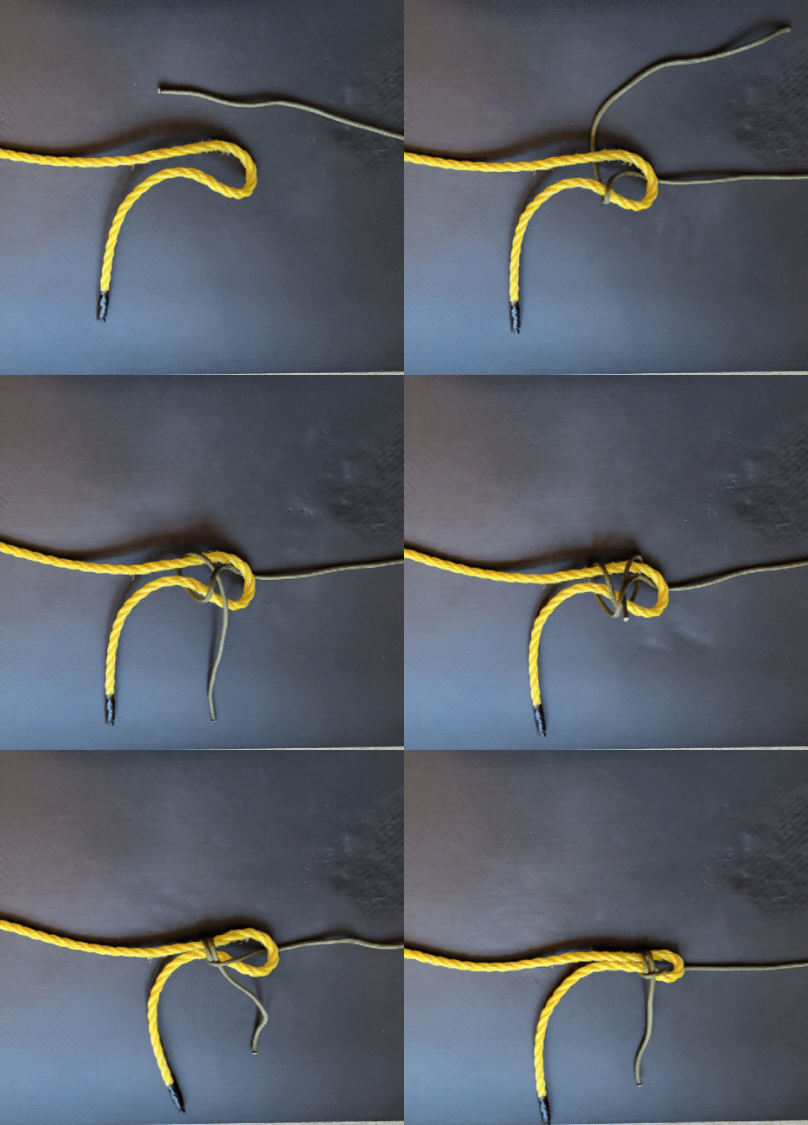
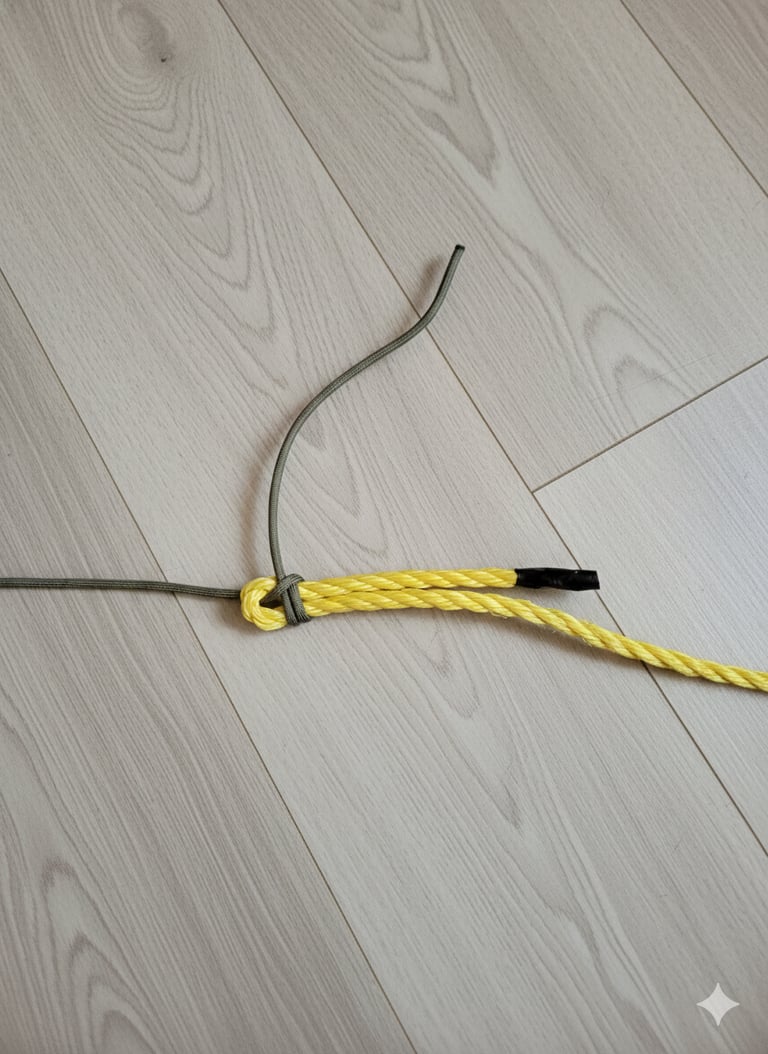
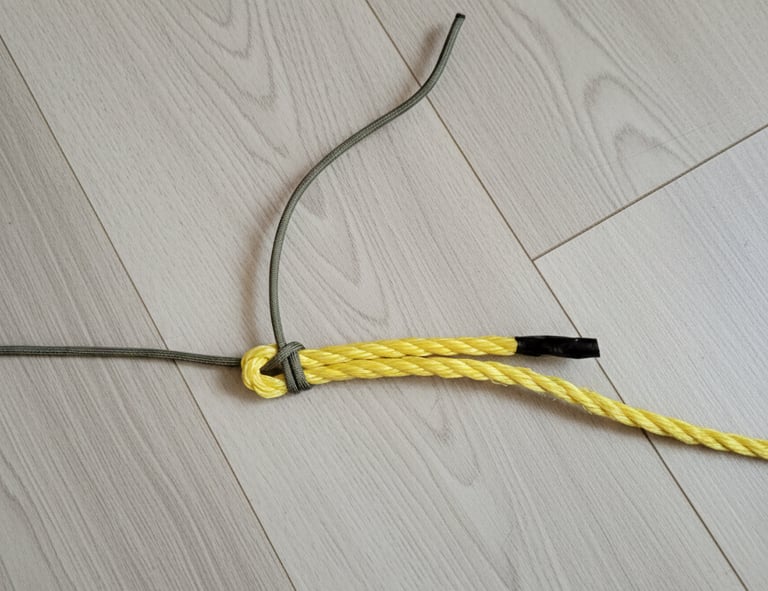
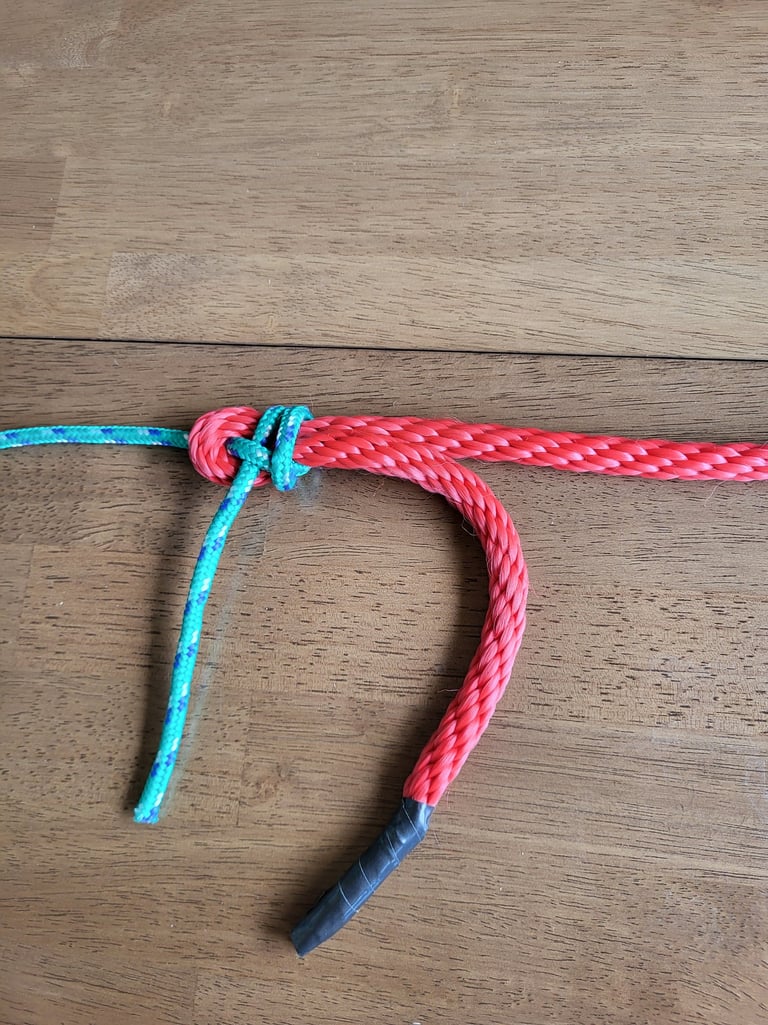
Shown here is an incorrectly tied sheet bend, sometimes called a left-handed sheet bend. The tag ends comes out on opposite sides and the knot is less stable and strong.
This bend does work well for mule tape and for two distinctly different size ropes, but for similar size ropes and especially, larger diameter round ropes, I prefer to use a Double Fisherman's Knot. It's security and strength are unmatched, with the caveat that it can "weld" together and become difficult to untie after being subjected to a heavy load.
Safety Disclaimer: ⚠️ Material Handling Only
The knots and techniques demonstrated on this site are intended strictly for material handling, wire pulling, and equipment securement. > Never use these hitches and knots for life safety, fall protection, or overhead lifting of loads where a failure could result in injury or death. Always use OSHA-compliant, load-rated hardware (harnesses, shackles, and slings) for critical lifts. Your safety team is there for a reason—consult them for high-risk tasks. Master the craft, stay out of pinch points, respect the load, and live to tie knots another day.
Questions or tips? Reach out anytime. I would love to hear about new knots and techniques.
Check out my YouTube channel for knot tying, rigging tips, and other electrician related tutorials.
© 2025. All rights reserved.
I made this website by myself with Hostinger Website Builder. Try it and start building your idea, today.