How to Tie The Ultimate Midline Loop: Why Every Electrician Needs the Span Loop
This is a professional-grade midline loop designed for high-tension environments. Historically, the Span Loop (ABoK 1049) was a staple in maritime rigging and early industrial utility work, valued for its unique ability to remain perfectly stable under massive loads without welding itself shut. Unlike common utility loops that fail under pressure, the Span Loop was engineered to be "broken" easily by hand after a pull, making it the ideal choice for setting up a Trucker's Hitch or securing heavy wire runs. It combines the security of a fixed eye with a mechanical design that respects your gear.
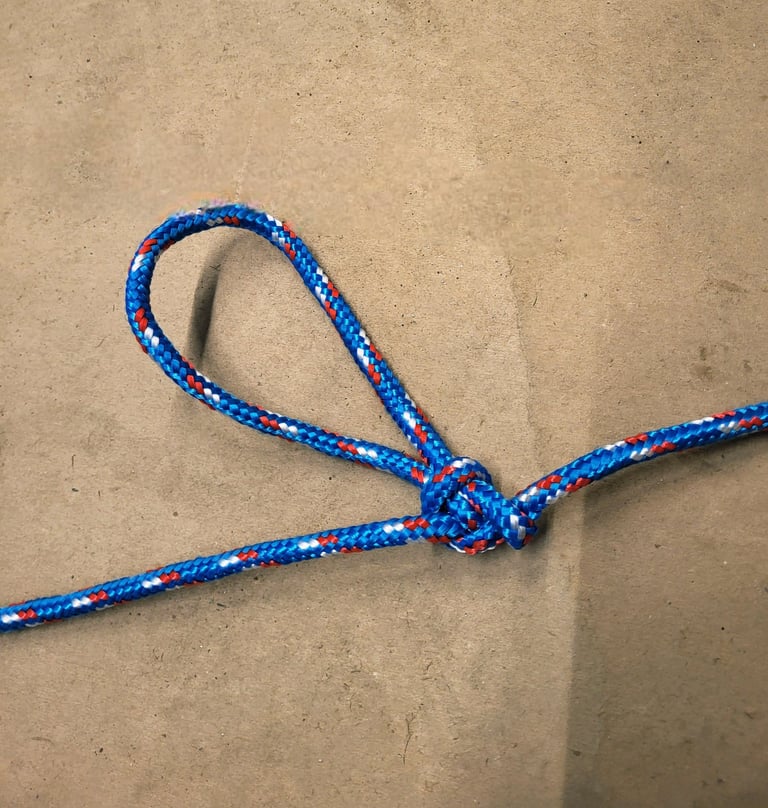
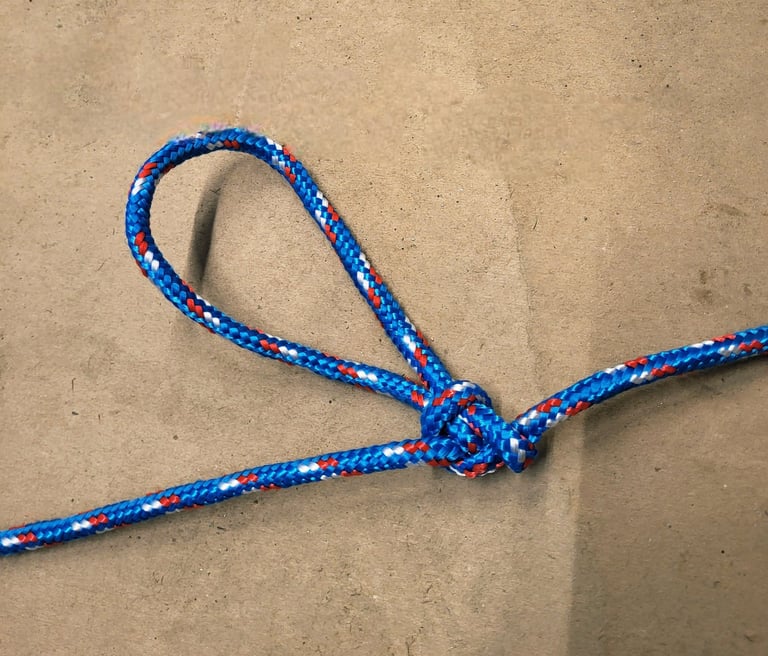
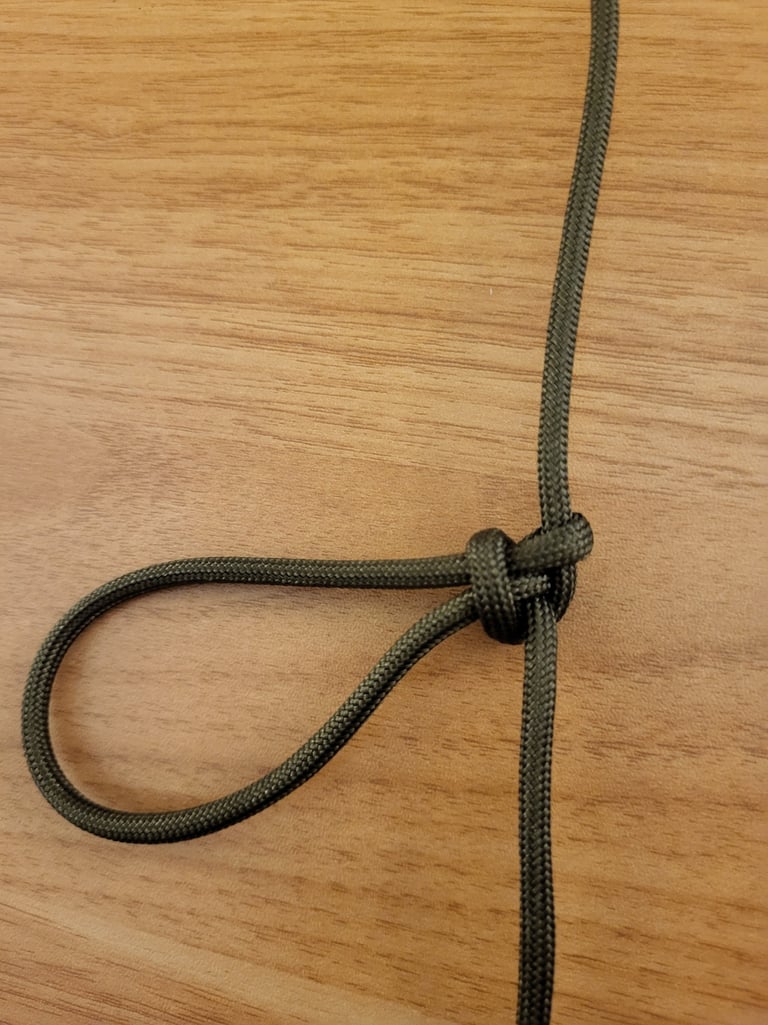
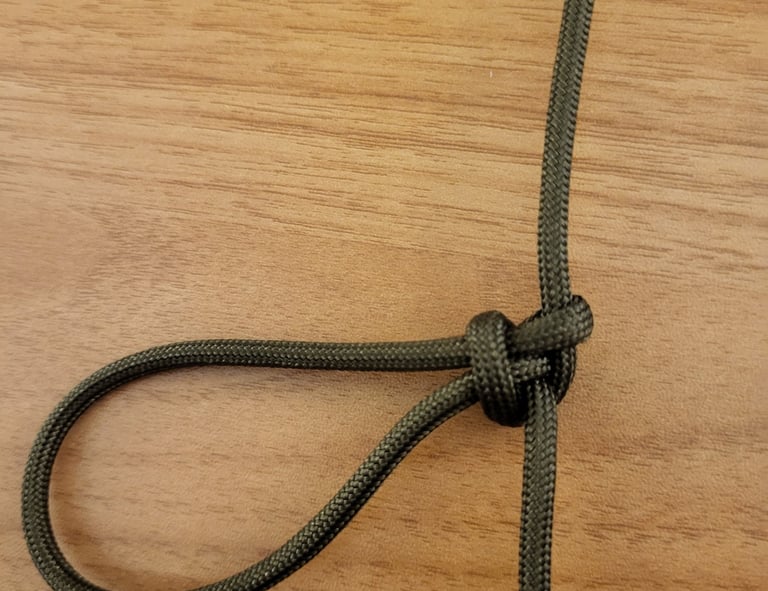
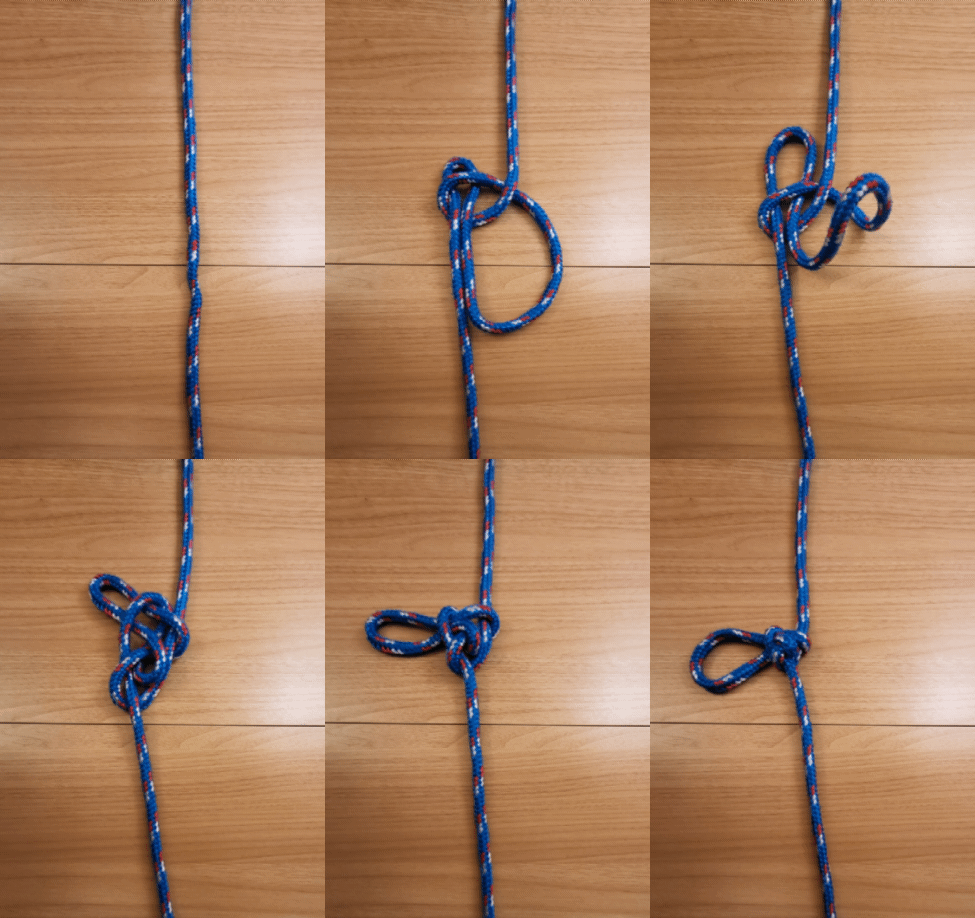

Why the Span Loop?
For electricians, a "lazy overhand" loop is a liability. Under the tension of a wire pull, it binds so tightly that you’ll likely have to cut your rope. The Span Loop is the professional standard: it’s lightning-fast to tie and remains effortless to untie, even after heavy industrial loads. While the Alpine Butterfly is a solid knot, it is unnecessarily complex for fast-paced field work and prone to jamming under extreme stress.
Stop cutting your pull ropes! As an electrician, your gear isn't disposable, and sacrificing feet of expensive rope because of a jammed knot is a rookie mistake. By mastering the Span Loop—and its close cousin, the Bowline Knot tied in a bight—you ensure your equipment remains as professional as your work. Whether you are tensioning a Trucker's Hitch or securing a heavy feeder pull, these techniques keep your lines intact and your job site efficient. Now, get out there, put these to work, and tie some great knots!
How to Tie:
The Span Loop is incredibly fast once you master the muscle memory.
Roll the loop: Create a loop in the standing part of the rope.
Create an "S" Turn: Pull a bight up and parallel to the standing line, from below the loop. This makes two bights, in an "S" shape.
Thread the bight: * If you roll the loop forward, thread your bight through from the back.
If you roll the loop backward, thread it from the front.
The Final Pull: Pull the lower bight through the upper bight from the same side to lock it in.
Safety Disclaimer: ⚠️ Material Handling Only
The knots and techniques demonstrated on this site are intended strictly for material handling, wire pulling, and equipment securement. > Never use these hitches and knots for life safety, fall protection, or overhead lifting of loads where a failure could result in injury or death. Always use OSHA-compliant, load-rated hardware (harnesses, shackles, and slings) for critical lifts. Your safety team is there for a reason—consult them for high-risk tasks. Master the craft, stay out of pinch points, respect the load, and live to tie knots another day.
Questions or tips? Reach out anytime. I would love to hear about new knots and techniques.
Check out my YouTube channel for knot tying, rigging tips, and other electrician related tutorials.
© 2025. All rights reserved.
I made this website by myself with Hostinger Website Builder. Try it and start building your idea, today.