Alpine Butterfly Loop for Electrical Work
Applications for Electricians
In industrial electrical environments and commercial construction, the Alpine Butterfly Loop offers distinct advantages over standard overhand or figure-eight loops:
Multi-Directional Wire Pulling: Most mid-line loops fail or slip if tension is applied from the wrong direction. The Alpine Butterfly can handle heavy mechanical loads pulled from the loop itself, from the left line, or from the right line simultaneously, making it perfect for attaching staggered wire bundles to a single main pull line.
Isolating Damaged Pull Lines: If a nylon or polyester pull string gets severely frayed or nicked inside a junction box or mid-run, you don't have to scrap the whole line. By tying an Alpine Butterfly so that the damaged section sits entirely within the isolated loop, the main line retains its structural integrity to finish the pull safely.
High-Tension Rigging Anchors: When setting up overhead messenger wires or tensioning temporary span lines, this knot creates a flawless mid-line anchor point to hook up a mechanical advantage system or a trucker's hitch.
Step-by-Step Tying Instructions for the Alpine Butterfly Loop
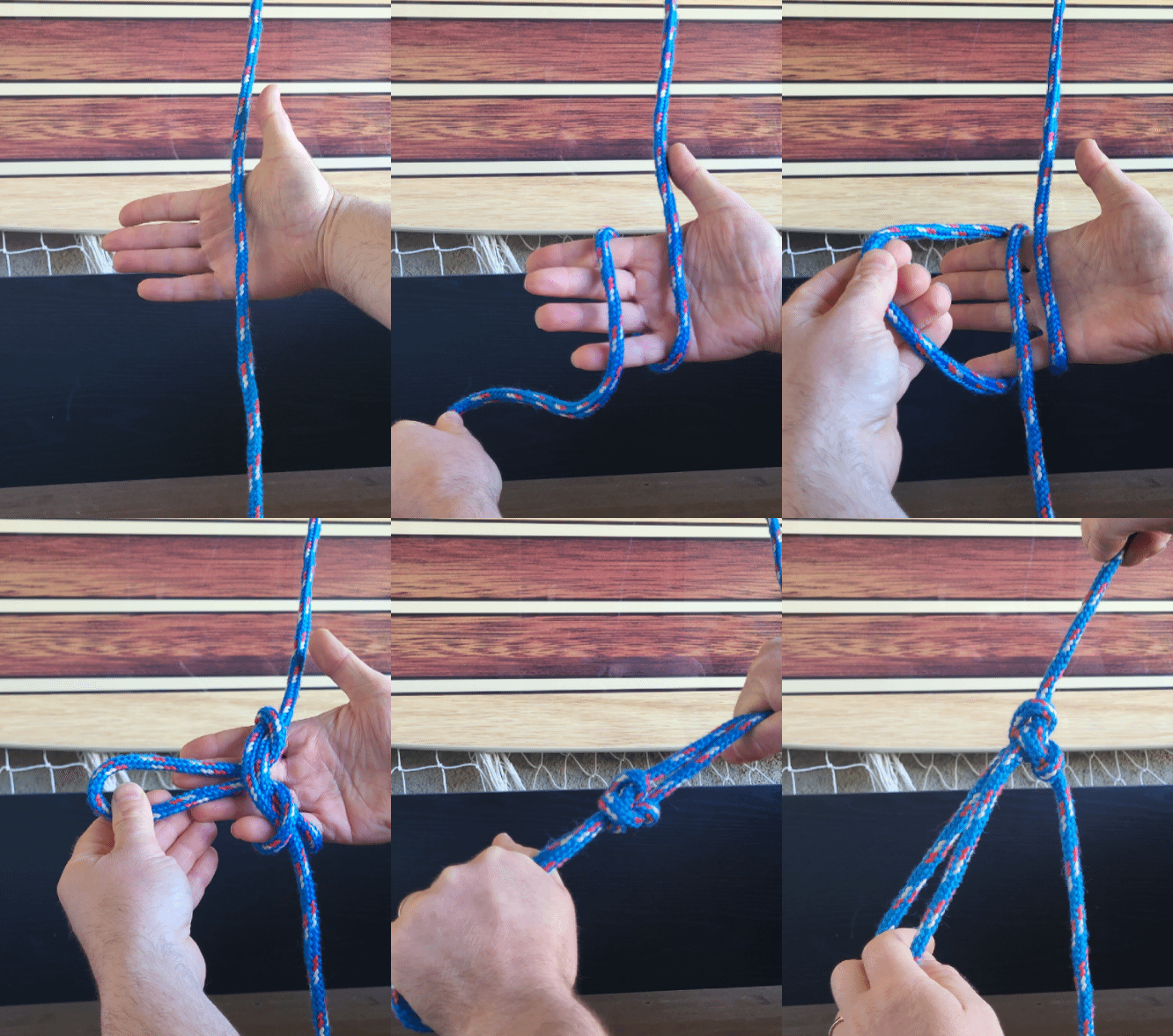
The hand-wrap method is the most efficient way to tie this knot quickly in the field:
Step 1 (The Wraps): Extend your palm up and wrap the rope around your hand three times. You will have three distinct strands sitting across your palm: Left, Middle, and Right.
Step 2 (The Move): Take the Left strand, move it to the right, and cross it over the other two strands. It now sits on the far right.
Step 3 (The Tuck): Take the new Middle strand (which was originally the left strand before the previous step), pull it up slightly, and fold it back over the other two strands toward your wrist.
Step 4 (The Finish): Take that same strand and tuck it completely under all the loops resting on your palm, sliding it through and out the top near your fingers.
Step 5 (Set the Knot): Remove your hand from the loops. Grab the newly formed loop with one hand and both ends of the main standing line with the other, then pull firmly in opposite directions to dress and seat the knot securely.
The Alpine Butterfly Loop (formerly called the Lineman's Loop) is one of the most useful mid-line knots in existence, prized for its ability to form a secure, fixed loop in the middle of a rope without requiring access to either working end. For professionals dealing with rigging, heavy pulling, or overhead line management, it serves as an indispensable tool that balances extreme strength with unmatched ease of use. Whether you are managing complex, staggered wire pulls through conduit or rigging temporary high-tension lines, understanding how to properly deploy this knot is a fundamental skill that ensures both safety and efficiency on the job site.
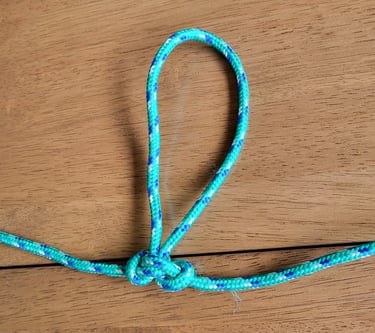
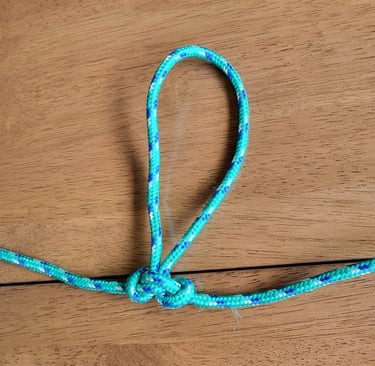
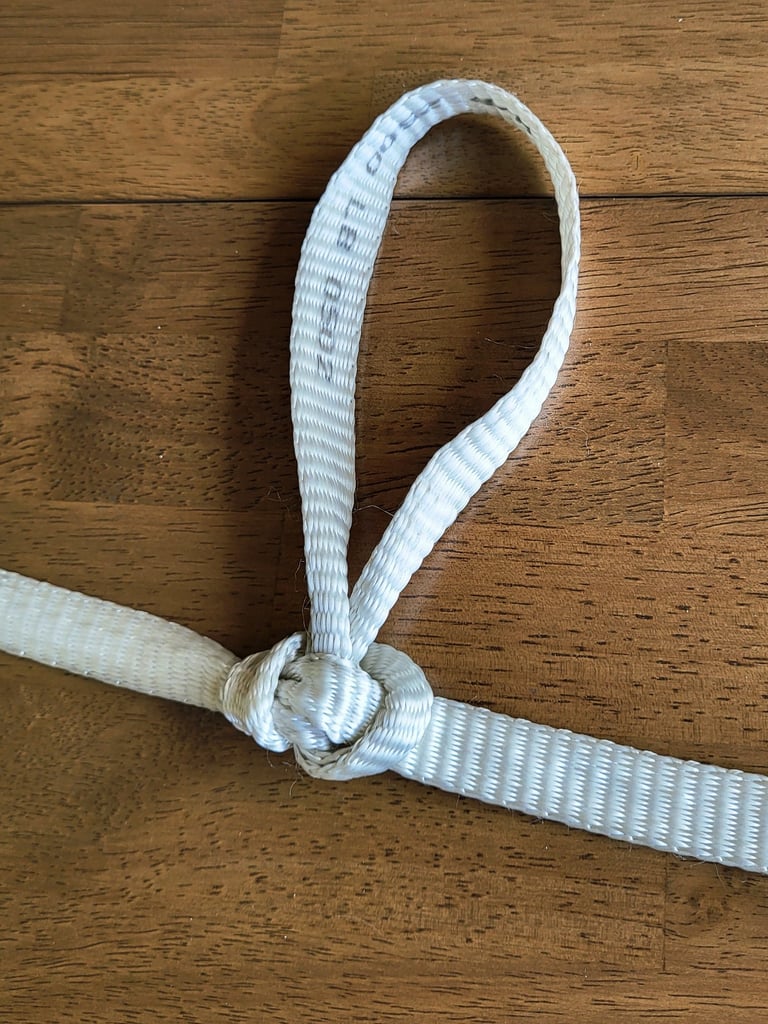
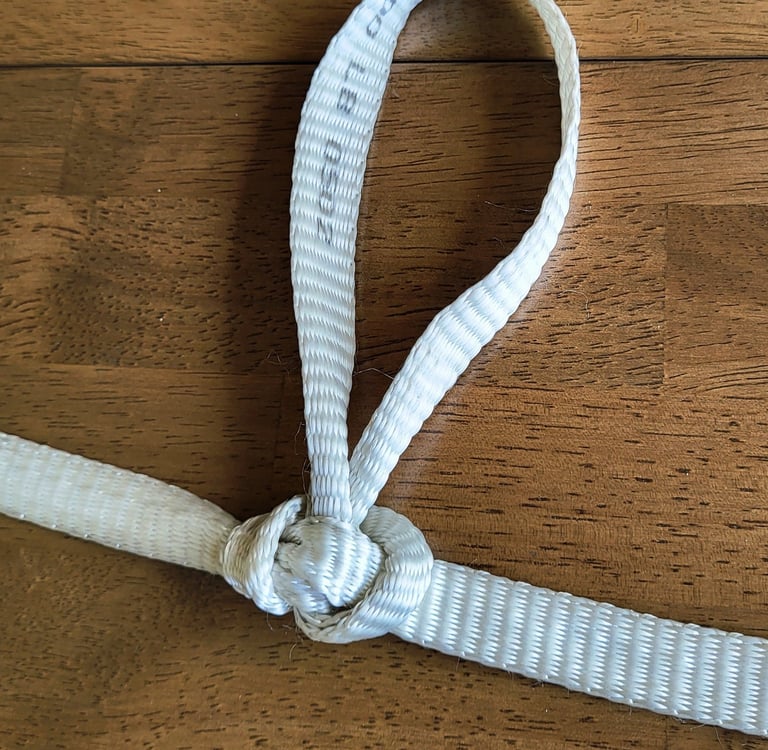
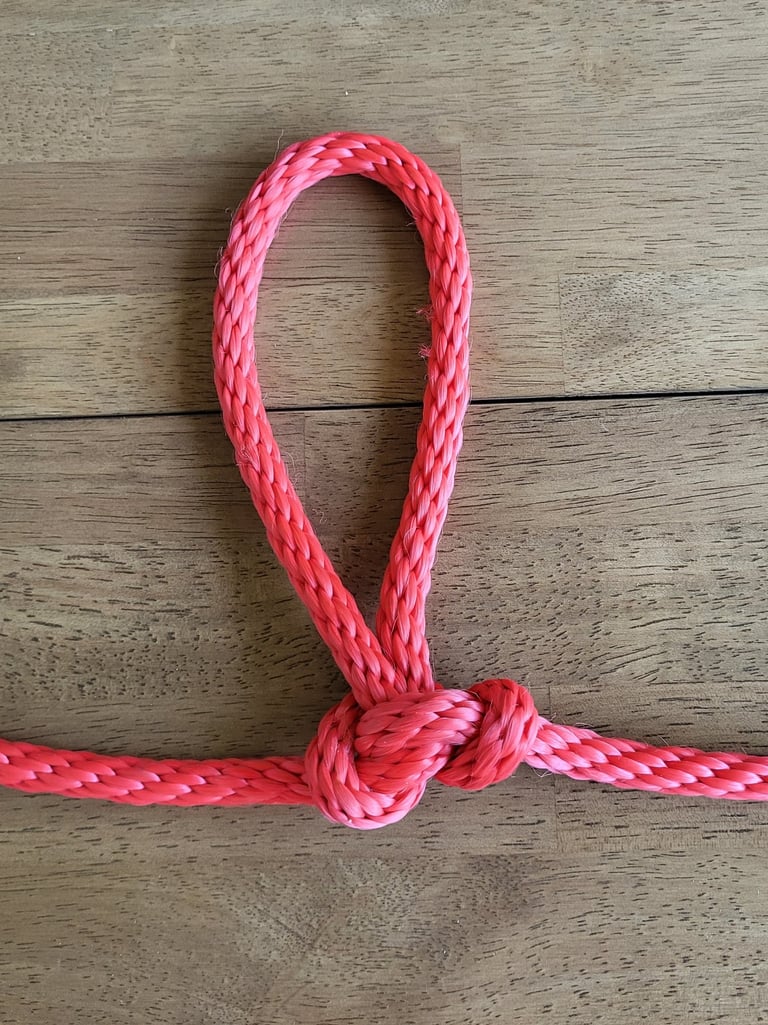
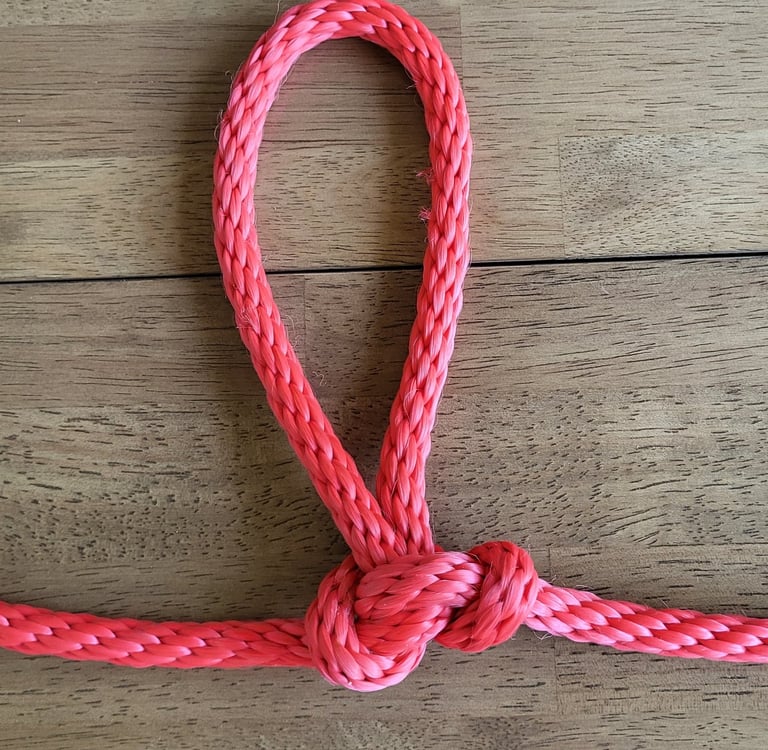
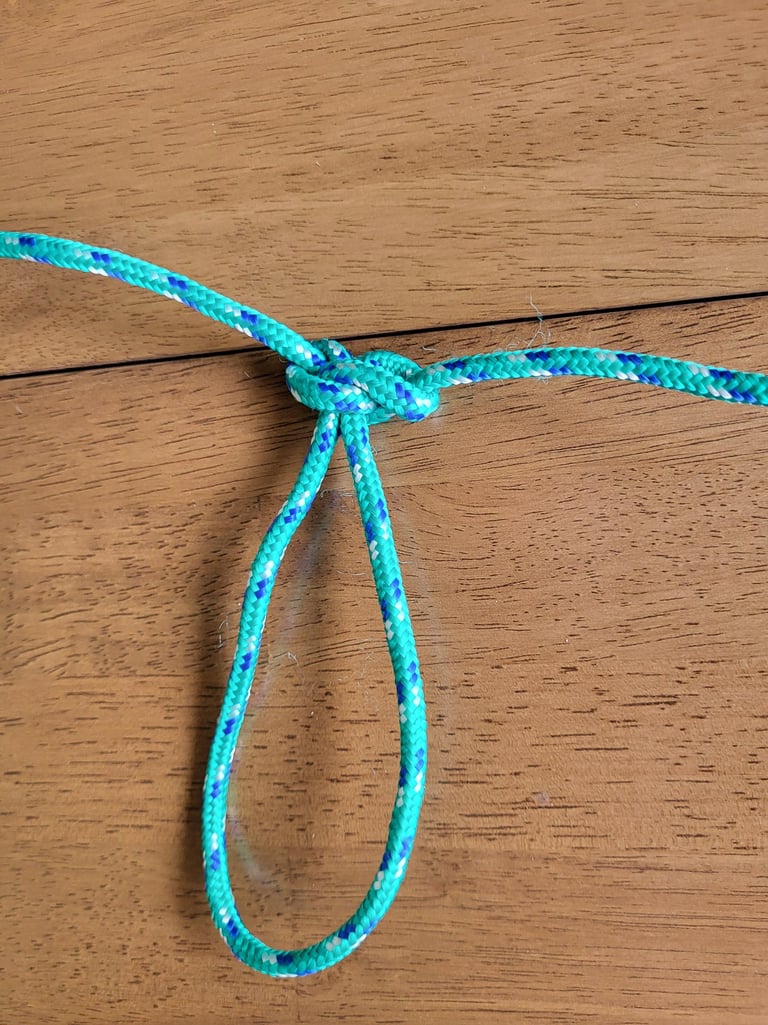
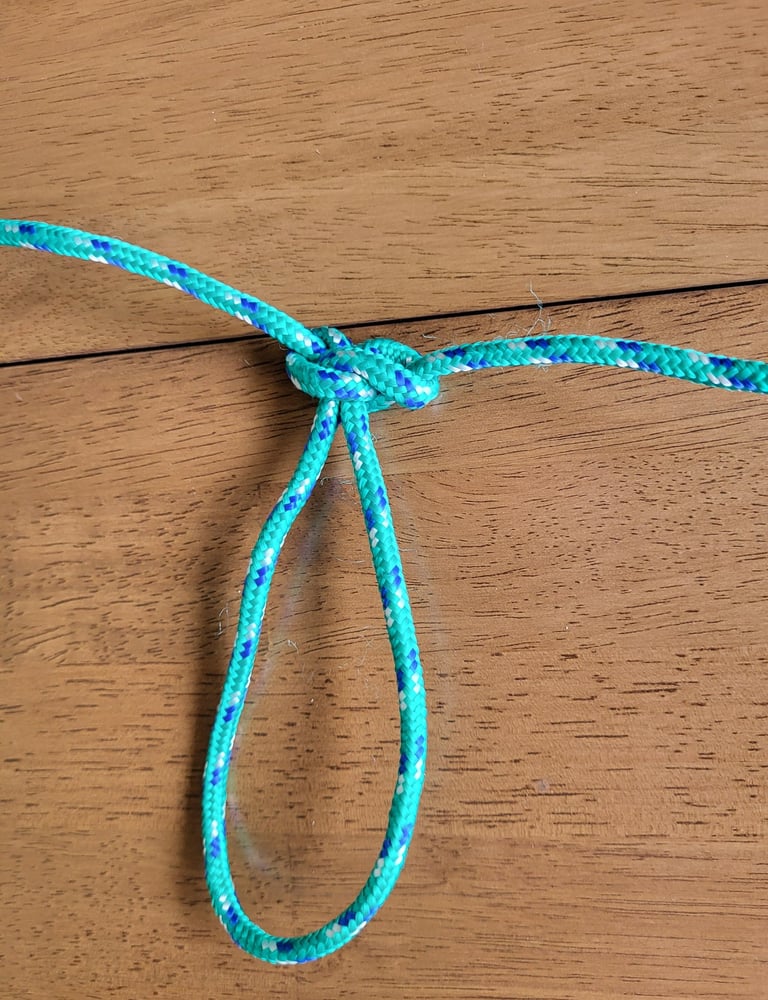
A Loop Knot Champion
Mastering the Alpine Butterfly Loop gives you a significant advantage when tackling complex rigging challenges on the job, offering a blend of security and ease-of-untying that few other knots can match. However, it is just one of several essential mid-line loops that a professional wireman should have ready in their tool bag. For heavy-duty securing and hauling setups, be sure to also check out my comprehensive guides on the jam-proof Span Loop, the practical Bowline With a Bight, and the vulnerable Figure-8 Loop for efficient Trucker's Hitches and other rigging solutions.
History and Origins
The history of the knot is deeply intertwined with both mountaineering and early telecommunications. While alpine climbers popularized the knot in the early 20th century as a secure way to tie a middle climber into a shared glacier travel rope, it actually appeared in rigging and utility work much earlier. Under the name "Lineman's Loop (ABoK 1053)" it was utilized by early telegraph and electrical utility linemen who needed a dependable mid-line knot that could handle the high-tension demands of heavy copper wiring without slipping or permanently jamming under extreme loads. Its structural symmetry ensures that stress is distributed evenly across the ropes, which is why it rapidly transitioned from industrial utility poles to the high-alpine peaks of Europe.
Safety Disclaimer: ⚠️ Material Handling Only
The knots and techniques demonstrated on this site are intended strictly for material handling, wire pulling, and equipment securement. > Never use these hitches and knots for life safety, fall protection, or overhead lifting of loads where a failure could result in injury or death. Always use OSHA-compliant, load-rated hardware (harnesses, shackles, and slings) for critical lifts. Your safety team is there for a reason—consult them for high-risk tasks. Master the craft, stay out of pinch points, respect the load, and live to tie knots another day.
Questions or tips? Reach out anytime. I would love to hear about new knots and techniques.
Check out my YouTube channel for knot tying, rigging tips, and other electrician related tutorials.
© 2025. All rights reserved.
I made this website by myself with Hostinger Website Builder. Try it and start building your idea, today.