Munter Hitch - Lower a Load With Ease
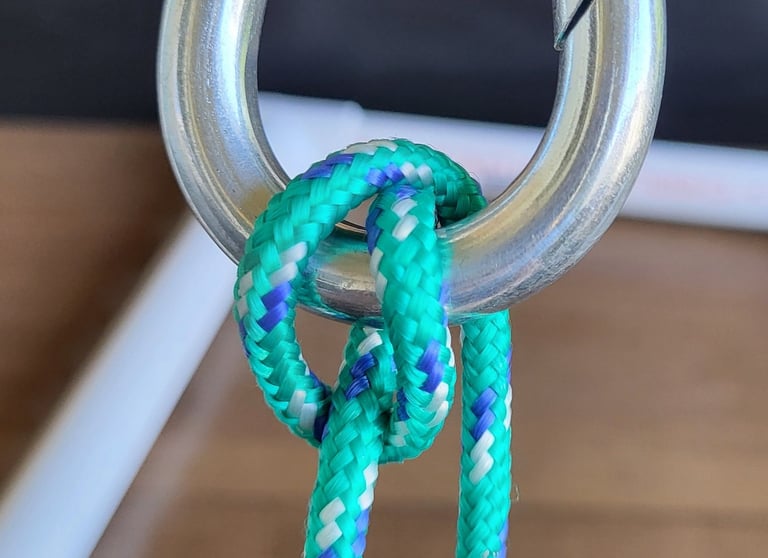
The Munter Hitch, often referred to as the Italian Hitch, is a dynamic friction hitch used primarily for controlling the descent of heavy loads. For electricians, it serves as a simple yet powerful alternative to mechanical braking devices, allowing for a controlled lower when gravity is doing most of the work. While it is highly effective at managing weight, it is important to note that this hitch can cause significant twisting and wear on the rope, so it is best reserved for utility-grade lines rather than high-end climbing or specialty ropes.
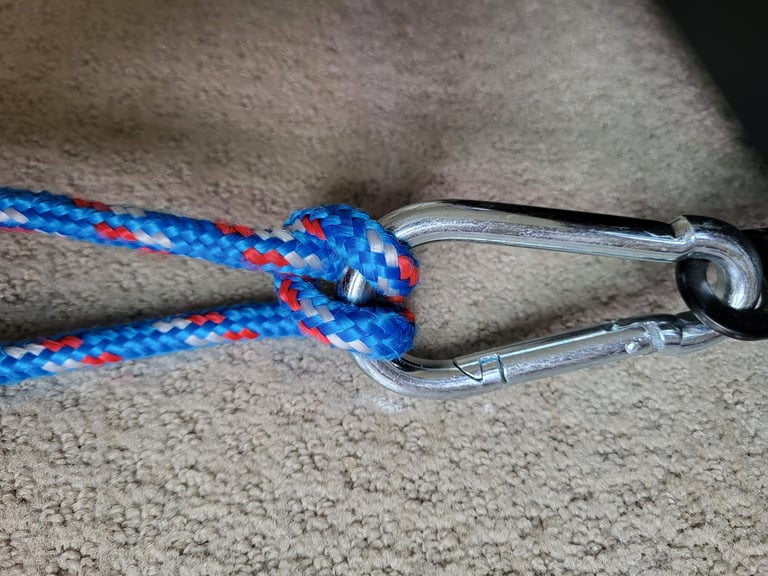
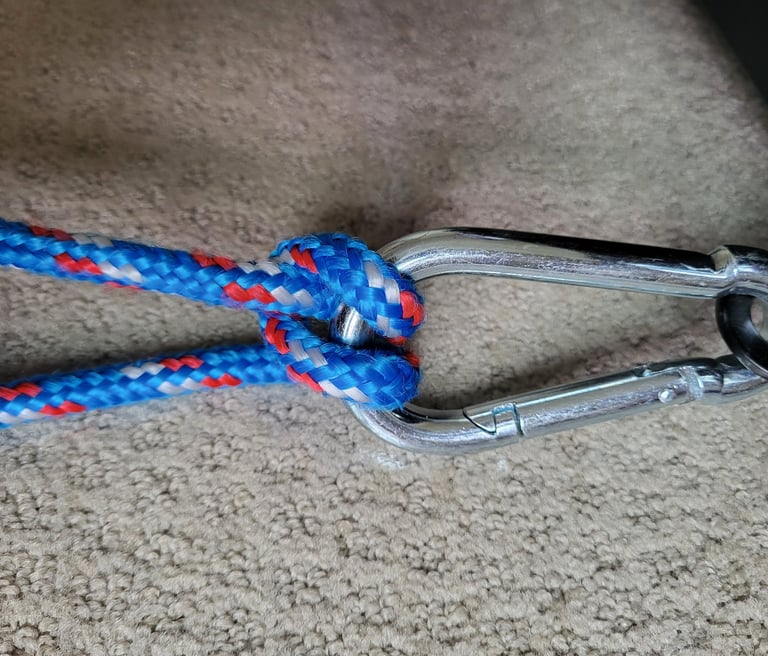
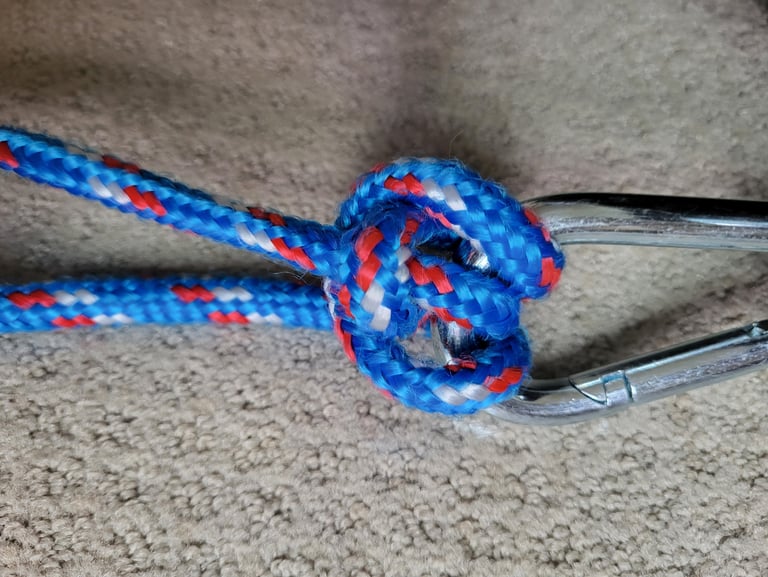
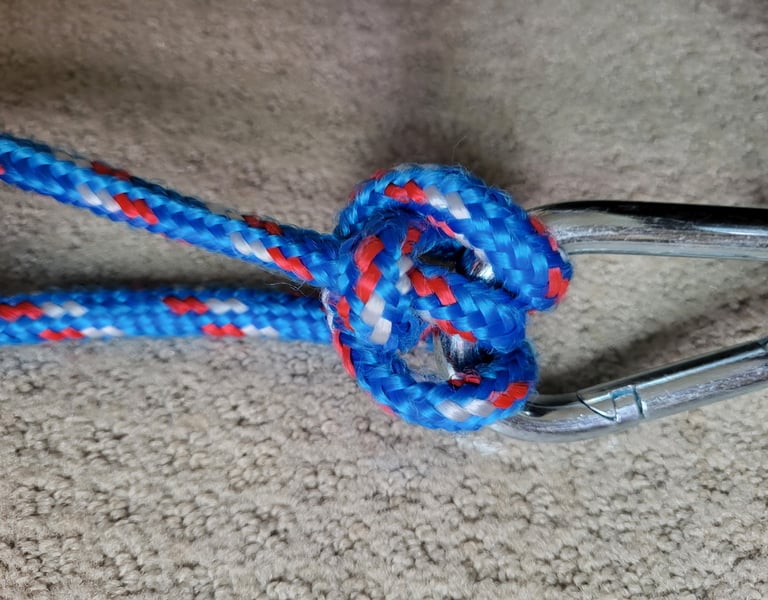
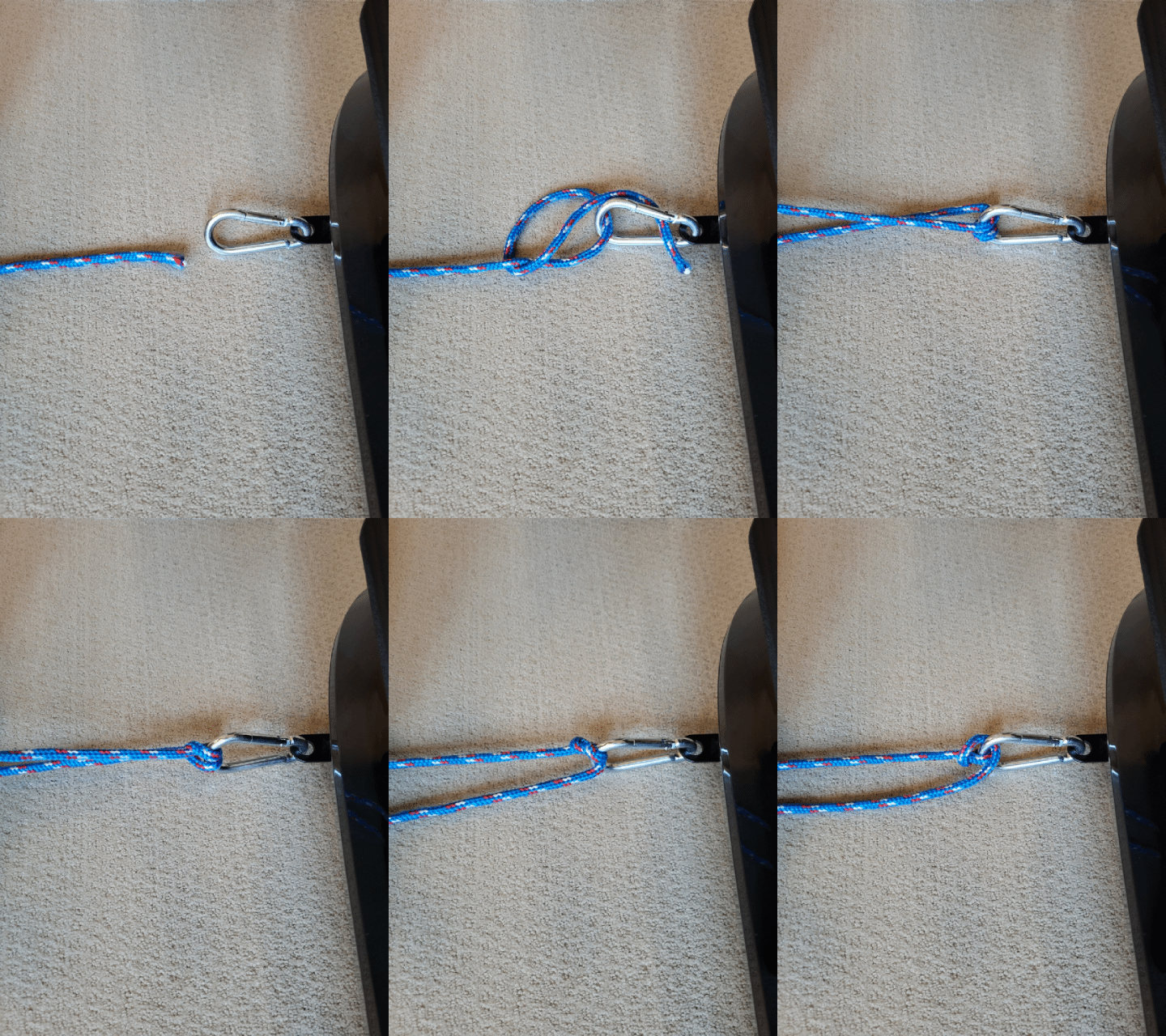
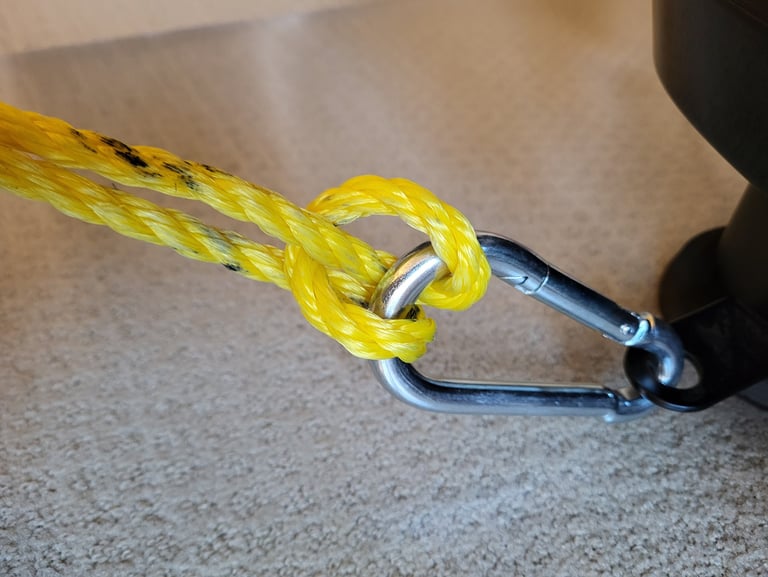
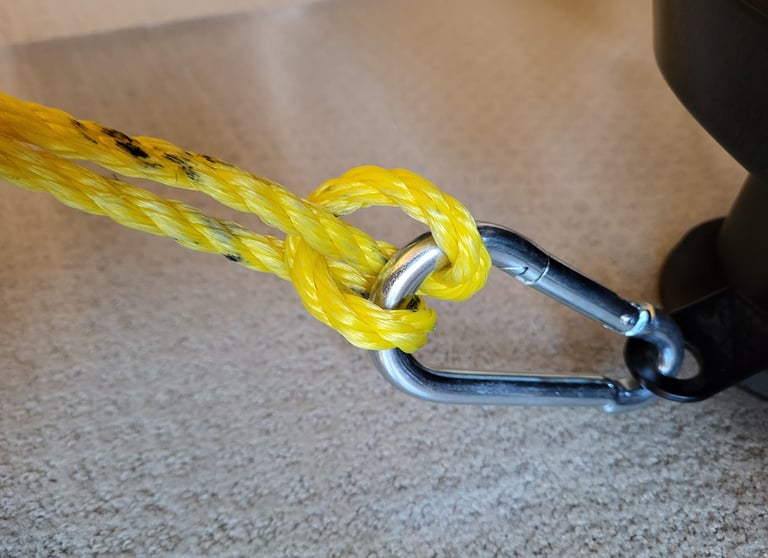
Another version, called the Super Munter is also useful. It makes an additional pass through the pull point, again from the opposite side of the previous pass. This modification significantly increases the friction and braking power. I would probably choose this version to start a project just to be safe. If it has too much friction for your task, you can always reduce it back to the regular Munter.
Applications for Electricians
In the electrical trade, the Munter Hitch is a versatile tool for material handling and wire management:
Vertical Wire Pulls: Use it as a brake when lowering heavy conductors or armored cables down long vertical conduit runs to prevent the weight of the cable from spiraling out of control.
Equipment Positioning: Ideal for tipping heavy switchgear or electrical panels to navigate through narrow doorways or onto housekeeping pads.
Material Lowering: Efficiently lower heavy motors, transformers, or bundles of strut from elevated platforms or mezzanines without the need for a complex pulley system.
How to Tie a Munter Hitch:
Follow these steps to secure a Munter Hitch around a large carabiner or a smooth pull point:
Create a Loop: Form a Loop through your pivot point by passing the tag end through and then crossing over the standing line.
Thread Again: Pass the tag end back through the pivot point, but from the opposite side your started your initial loop.
Check the Movement: Pull on the load side; the knot should "flip" or rotate through the carabiner when the direction of pull changes.
Control the Friction: To increase braking power, bring the brake side of the rope parallel to the load side. To reduce friction and allow the rope to slide more easily, increase the angle between the two lines.
Mastering a few reliable hitches can significantly improve job site safety and efficiency. For more essential rigging techniques, check out our guide to the Top 10 Knots for Electricians.
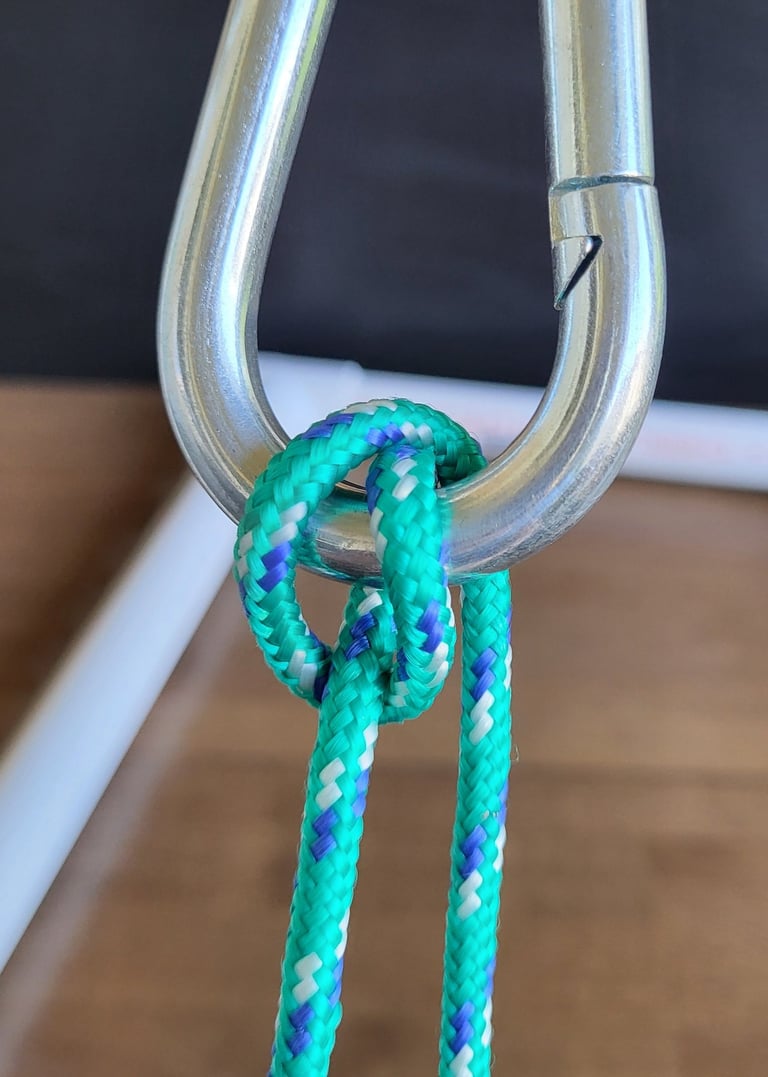
Safety Disclaimer: ⚠️ Material Handling Only
The knots and techniques demonstrated on this site are intended strictly for material handling, wire pulling, and equipment securement. > Never use these hitches and knots for life safety, fall protection, or overhead lifting of loads where a failure could result in injury or death. Always use OSHA-compliant, load-rated hardware (harnesses, shackles, and slings) for critical lifts. Your safety team is there for a reason—consult them for high-risk tasks. Master the craft, stay out of pinch points, respect the load, and live to tie knots another day.
Questions or tips? Reach out anytime. I would love to hear about new knots and techniques.
Check out my YouTube channel for knot tying, rigging tips, and other electrician related tutorials.
© 2025. All rights reserved.
I made this website by myself with Hostinger Website Builder. Try it and start building your idea, today.