Figure 8 Knot - A Stellar Stopper
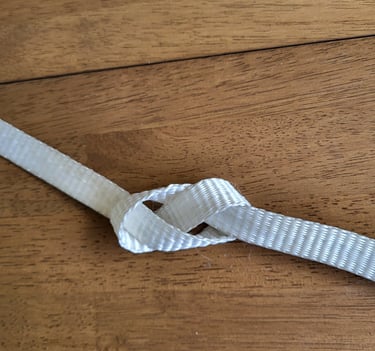
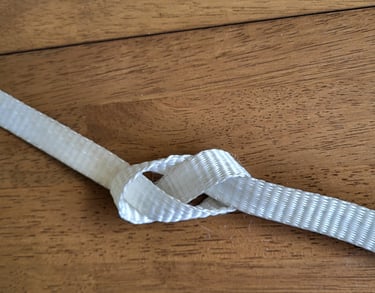
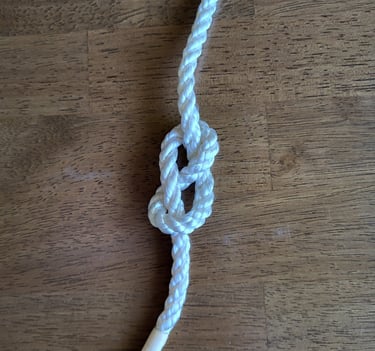
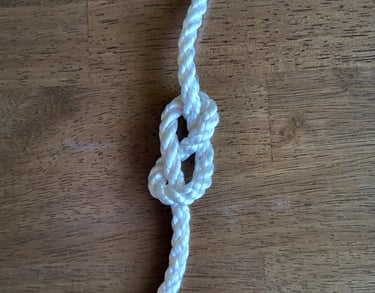
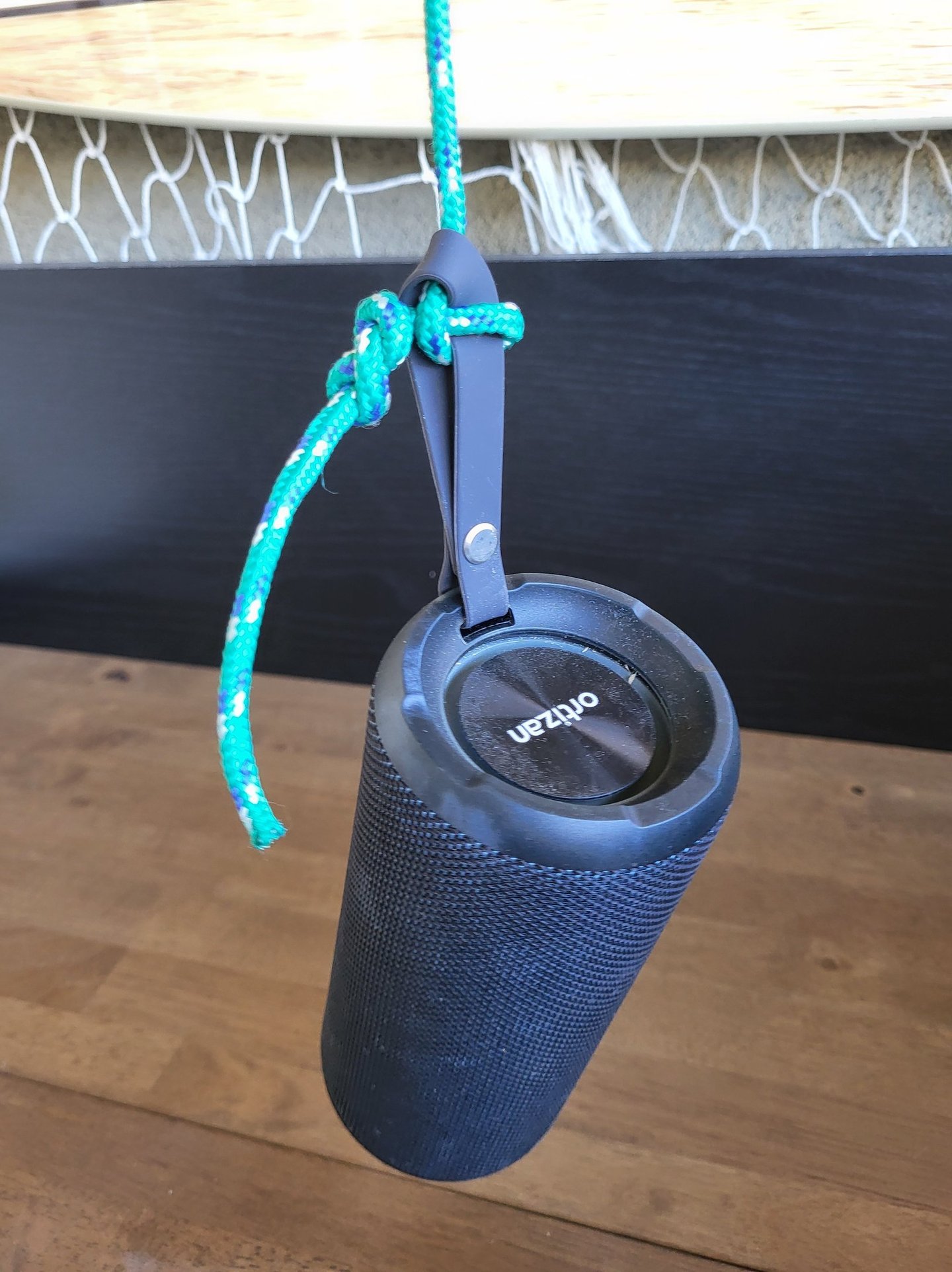
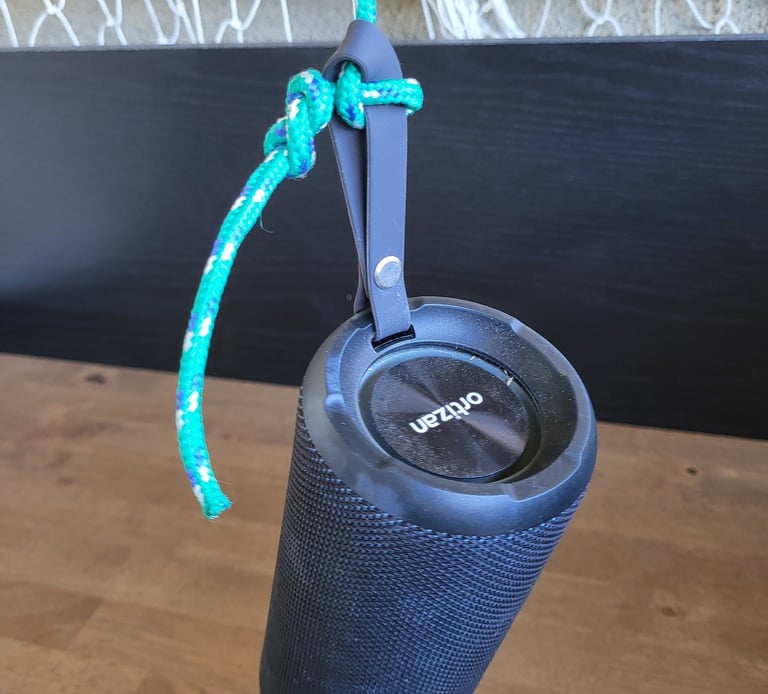
The Figure 8 knot (Ashley Book of Knots #520) is one of the most foundational and reliable stopper knots in ropework. Its primary job is to create a secure, bulky bind at the end of a line to prevent the rope from slipping out of a device, eyelet, or pulley. Unlike a simple Overhand Knot, which can jam tightly and become nearly impossible to undo after being subjected to a heavy load, the distinct shape of the Figure 8 distributes stress more evenly across its turns. This structural design ensures it remains relatively easy to untie, making it an essential baseline for more complex variations like the Figure 8 Loop or bend.
Uses for Electricians & Construction
In industrial and construction settings, the Figure 8 knot serves mostly as a utility stopper during heavy wire pulls and rigging operations. This knot is frequently tied at the trailing end of a synthetic pull rope or mule tape. This ensures the rope cannot accidentally whip through a block, sheave, or feeding nozzle if tension is suddenly lost or if a crew member lets go of the line. It is also highly effective for securing light utility lines on hand-lines or hoisting buckets, providing a dependable bulge that won't slip through the gloved hands of a groundman or a wireman working at heights.
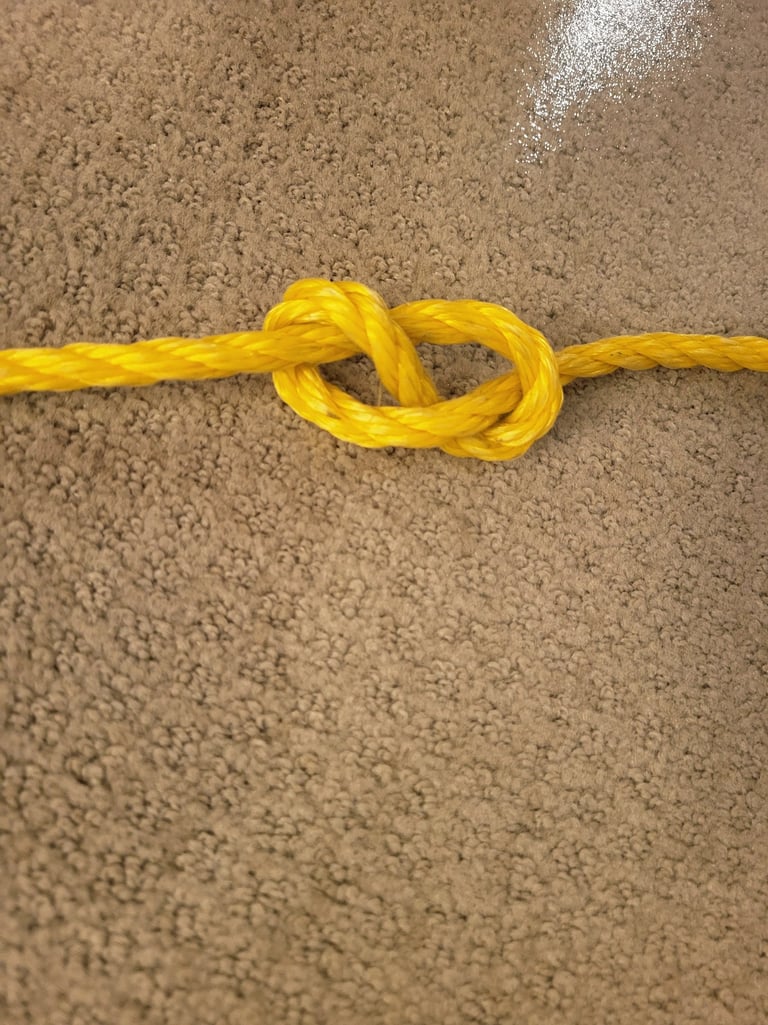
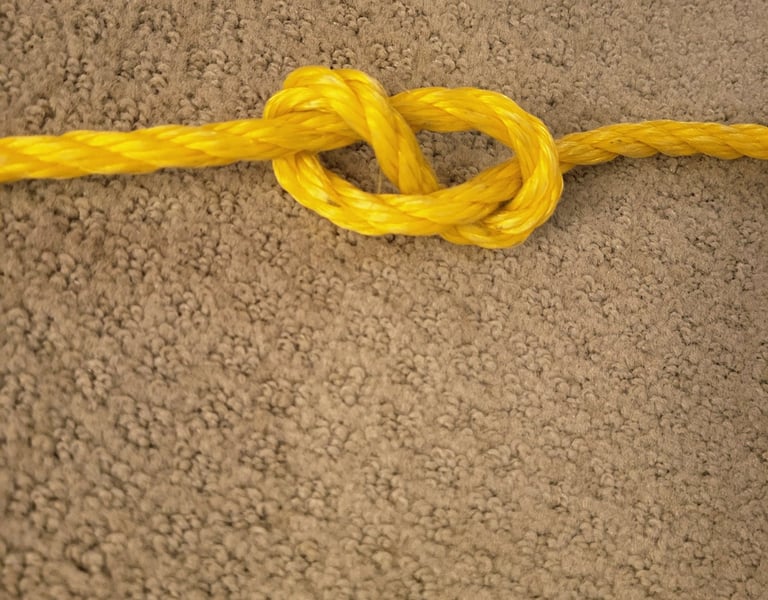
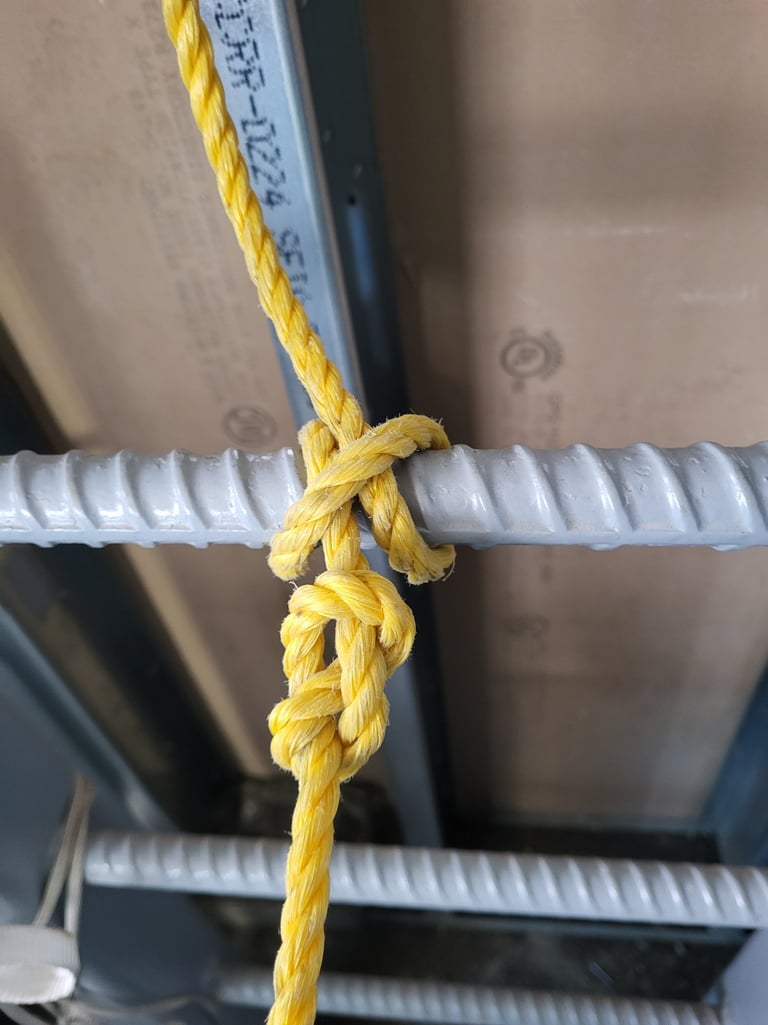
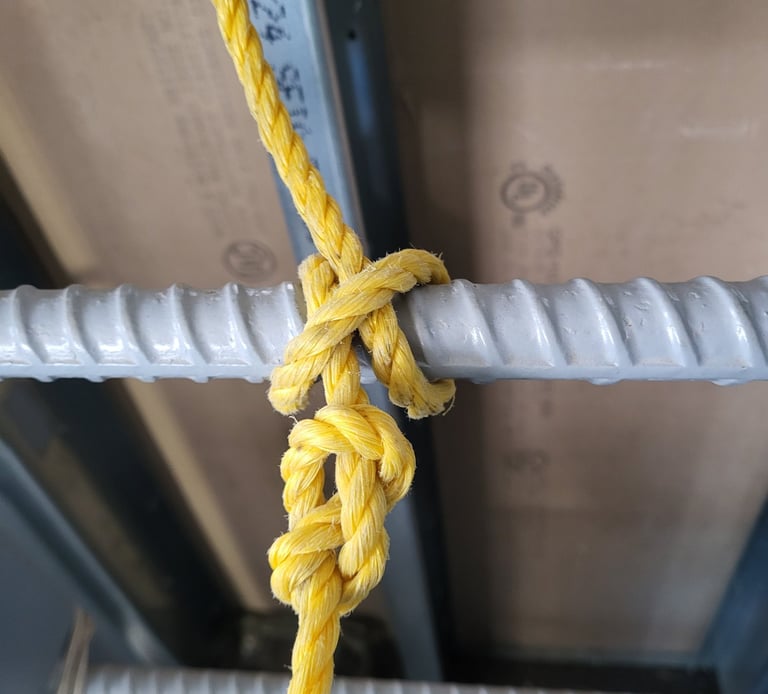
How to Tie a Figure 8 Knot
Form a loop: Take the working end of your rope and cross it over the standing part to create a simple loop.
Wrap behind: Bring the working end behind the standing part of the rope, moving in the opposite direction of your initial cross.
Pass through: Feed the working end forward through the front of the original loop you created in step one.
Dress and cinch: Pull both the working end and the standing part firmly to tighten the knot down into its signature "8" shape.
Alternatively, you can grab a bight, twist it twice, and then thread the tag end through to create your figure 8 knot.
History of the Figure 8 Knot
Historically known as the Flemish Knot, the Figure 8 has deep roots in maritime history and traditional seafaring, where it was extensively used on sailing ships to keep rigging lines from running through blocks. Clifford Ashley meticulously documented it in The Ashley Book of Knots (ABoK #520), noting its clear superiority over the common Overhand Knot due to its resistance to jamming. Over the last century, its reliability caught the attention of early mountaineers and arborists, evolving the simple stopper into the cornerstone of modern climbing, safety harnesses, and heavy-duty industrial rigging systems worldwide.
Mastering the basic Figure 8 knot ensures you have a dependable, jam-resistant stopper ready for any high-tension scenario. Its predictable structure and straightforward configuration make it a quick, high-utility knot that forms the literal framework for safety on the job site.
Increasing your "Knot IQ"
While the figure-eight knot is an absolute staple for a reliable stopper knot, heavy-duty wire pulling and industrial rigging often demand highly specific alternatives. For specialized friction grips that lock down under immense tension without damaging your conductors, check out our guide on the Icicle Hitch or the highly adjustable Schwäbisch Hitch. If you need to join two ropes together seamlessly for a long pull, master the double-backed security of the Fisherman's Knot. Building a rock-solid repertoire of trade-specific ties ensures your rig stays secure, your wire keeps moving, and you never have to fall back on sloppy, unsafe shortcuts on the job.
Safety Disclaimer: ⚠️ Material Handling Only
The knots and techniques demonstrated on this site are intended strictly for material handling, wire pulling, and equipment securement. > Never use these hitches and knots for life safety, fall protection, or overhead lifting of loads where a failure could result in injury or death. Always use OSHA-compliant, load-rated hardware (harnesses, shackles, and slings) for critical lifts. Your safety team is there for a reason—consult them for high-risk tasks. Master the craft, stay out of pinch points, respect the load, and live to tie knots another day.
Questions or tips? Reach out anytime. I would love to hear about new knots and techniques.
Check out my YouTube channel for knot tying, rigging tips, and other electrician related tutorials.
© 2025. All rights reserved.
I made this website by myself with Hostinger Website Builder. Try it and start building your idea, today.