Bowline with a Bight (ABOK 1074): The Hidden Midline Loop
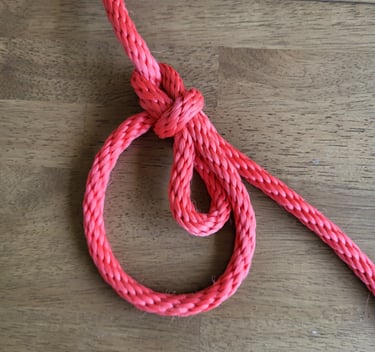
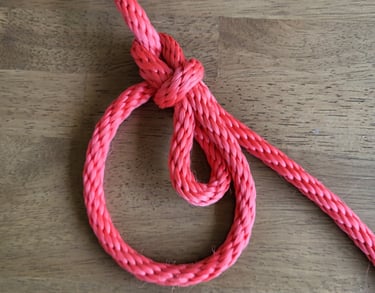
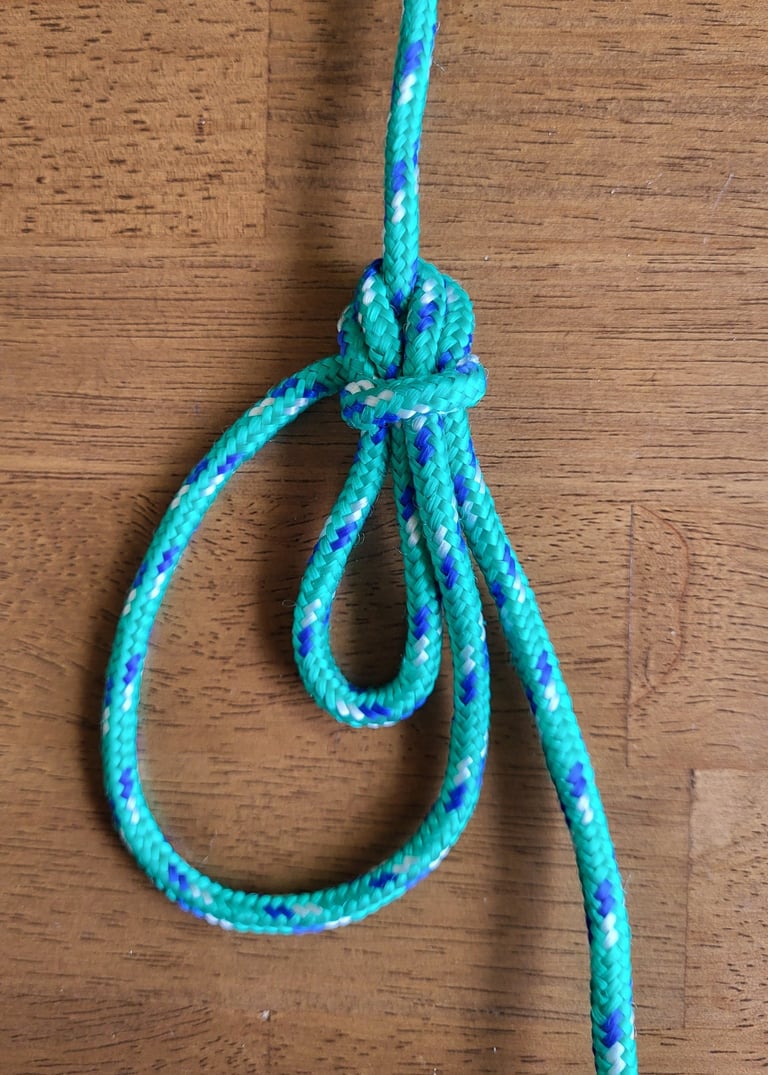
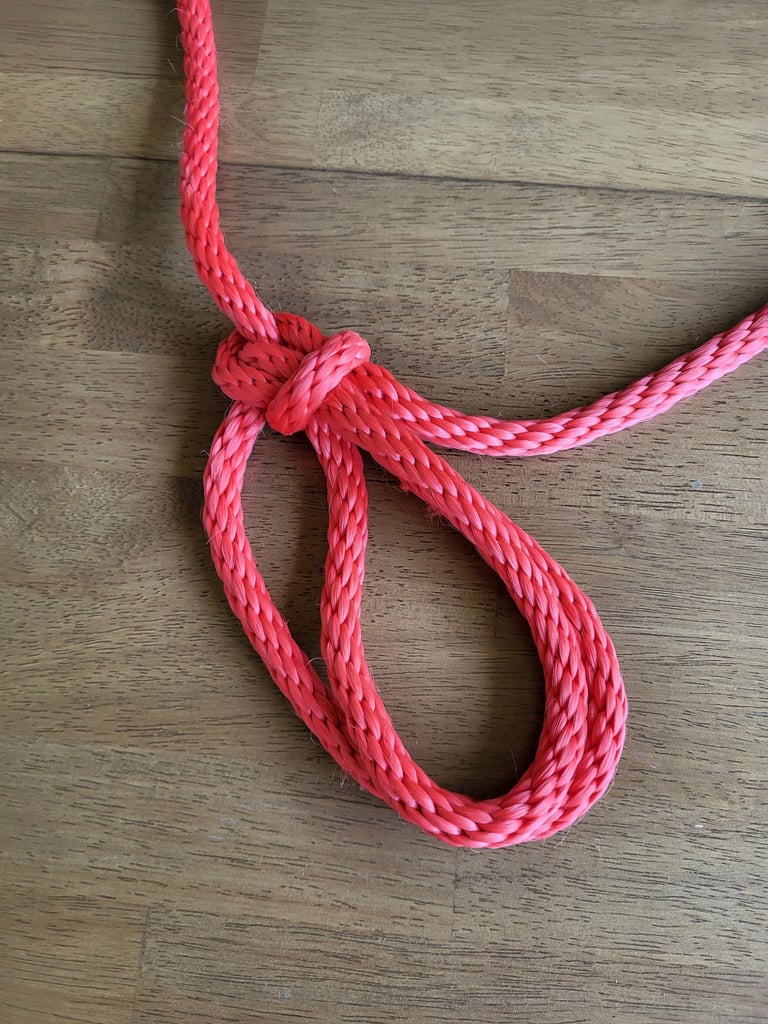
The Bowline with a Bight is a lesser-known but highly efficient variation of the classic bowline. Unlike its more common cousin, the Bowline on a Bight, this version does not require you to pass a large loop completely over the structure of the knot. Instead, it utilizes a single bight to form a secure, fixed midline loop. Because trustworthy documentation on this specific variant is scarce across the industry, mastering it gives you a distinct advantage when rigging specialized lines.
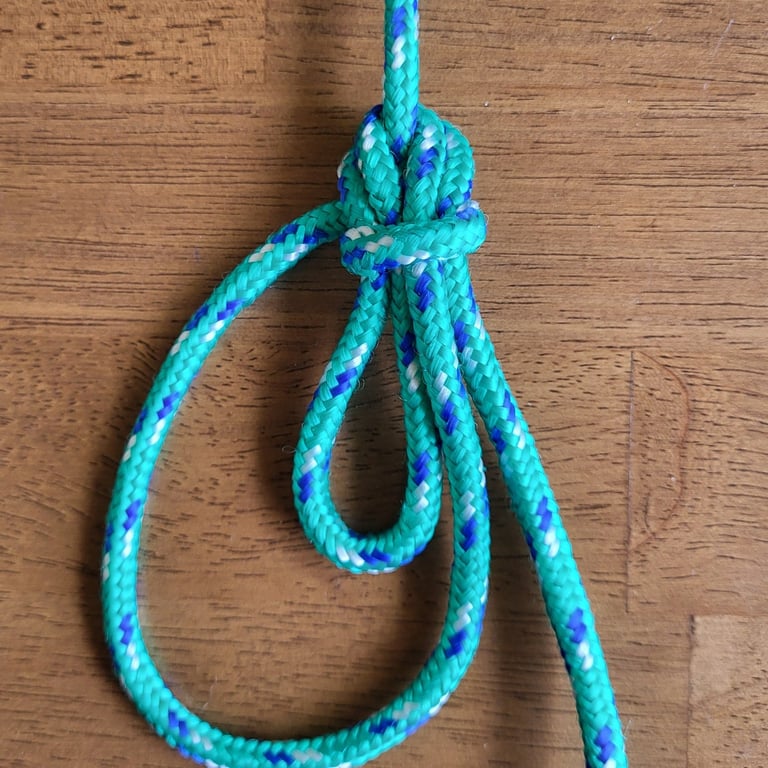
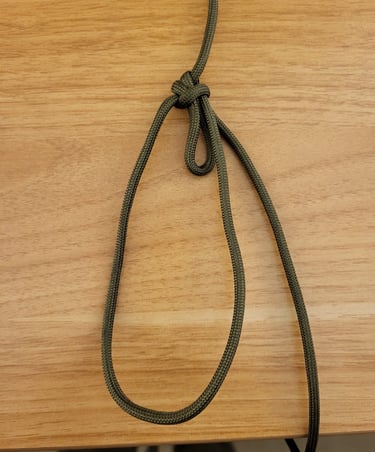
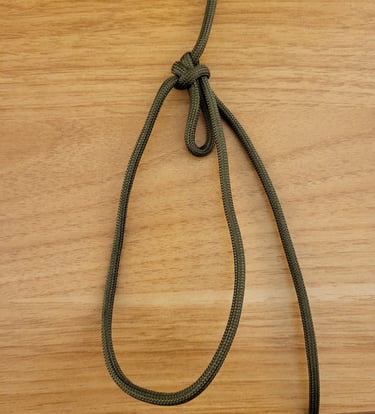
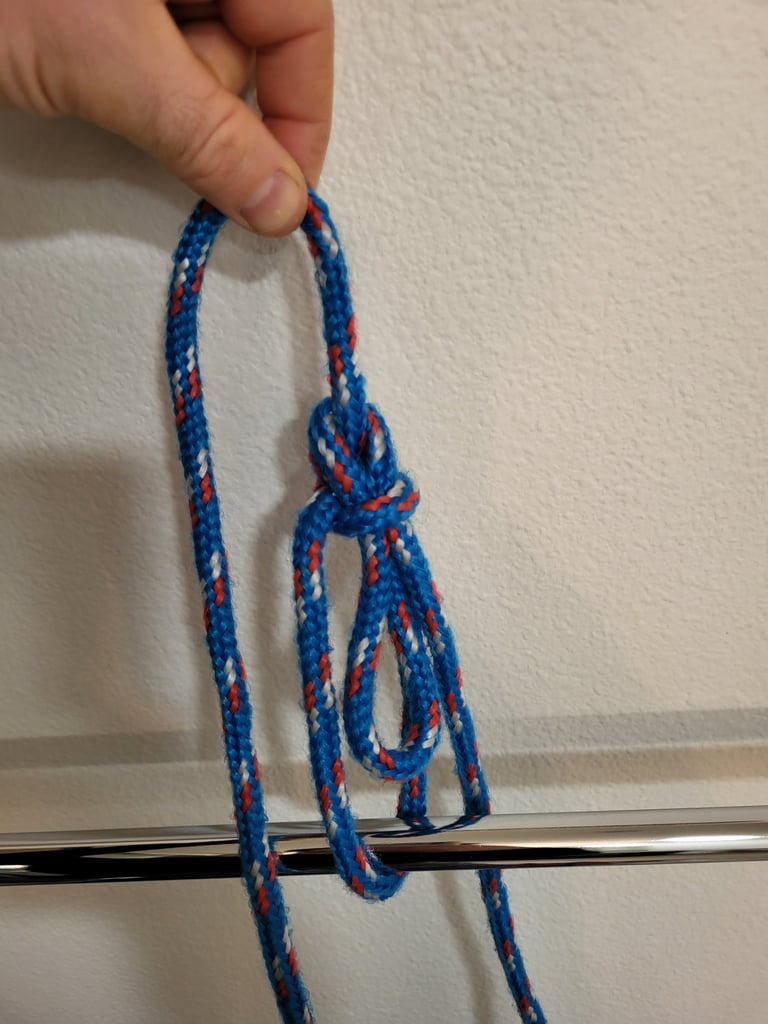
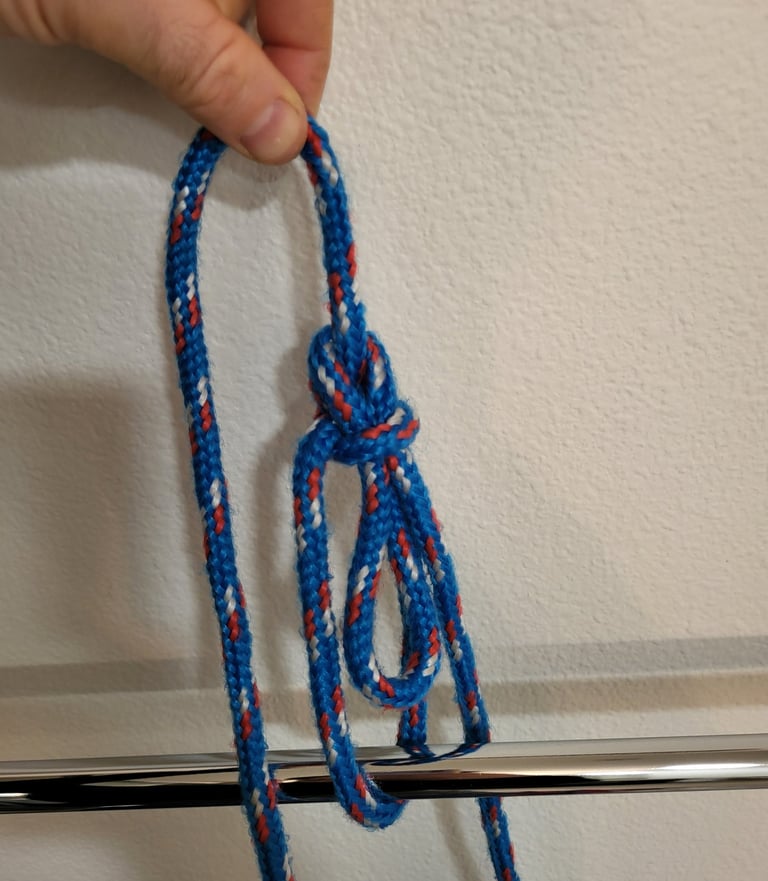
Now that you've mastered the versatile Bowline with a Bight, you can round out your rigging knowledge by exploring other essential variations in the bowline family. Check out our comprehensive guide on the foundational, traditional Bowline to lock down your basic loop-tying skills, the Portuguese Bowline for a specialty anchor, or head over to our step-by-step tutorial on the Running Bowline to learn how to create a heavy-duty, remote-choking knot perfect for tying off to any shape of anchor.
How to Tie a Bowline With a Bight
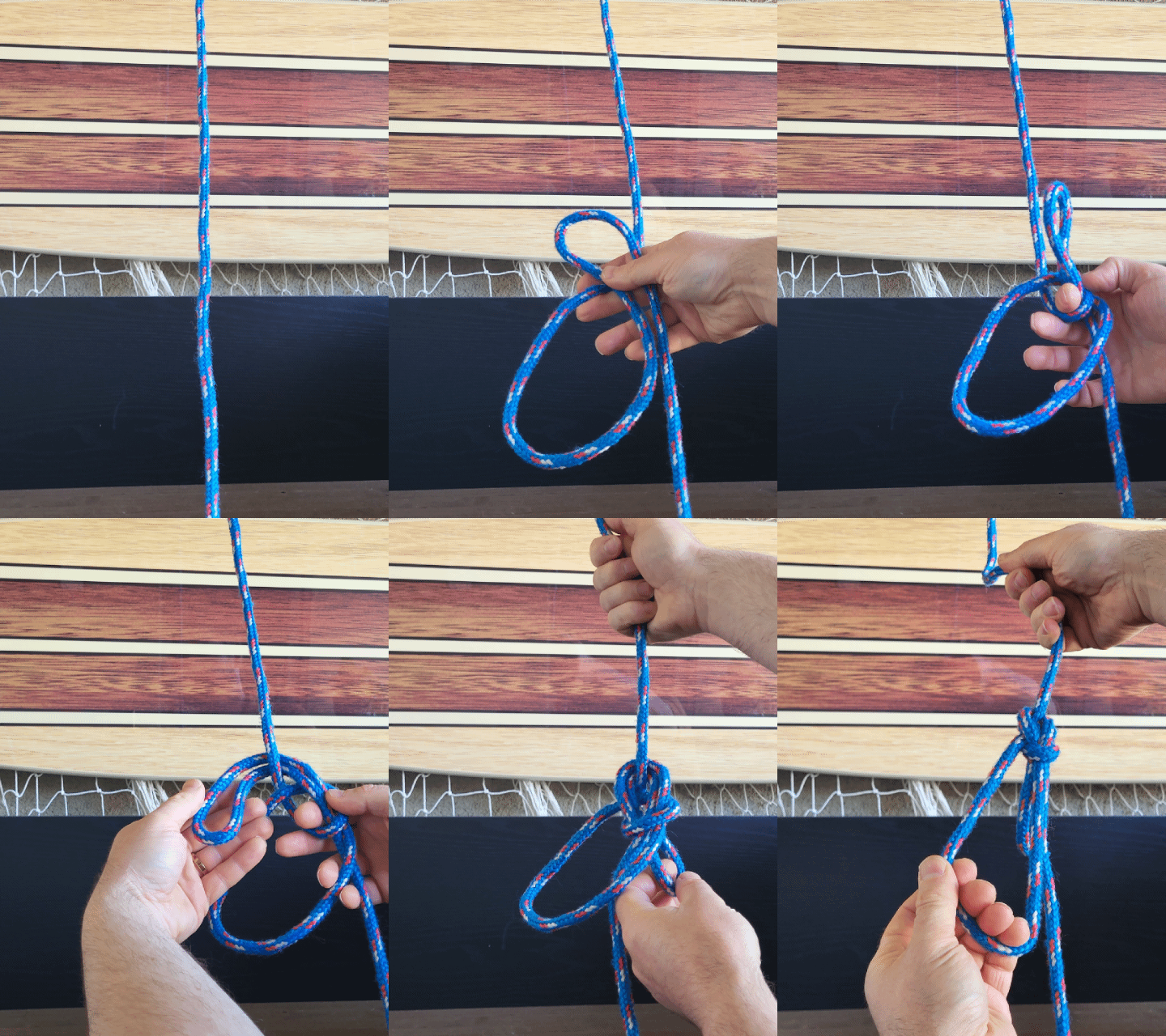
Follow these steps to tie the true Bowline with a Bight:
Form the Midline Bight: Take a section of rope in the middle of your line and fold it to form a bight. This bight will act as your working end.
Throw a Turn: Create a standard bight-part loop (the "rabbit hole") in the standing line just below your main bight.
Route the Bight: Pass the tip of your main bight up through the loop from underneath.
Wrap the Standing Line: Take the bight around behind the standing part of the rope.
Finish the Structure: Feed the tip of the bight back down through the initial loop, tucking it alongside itself.
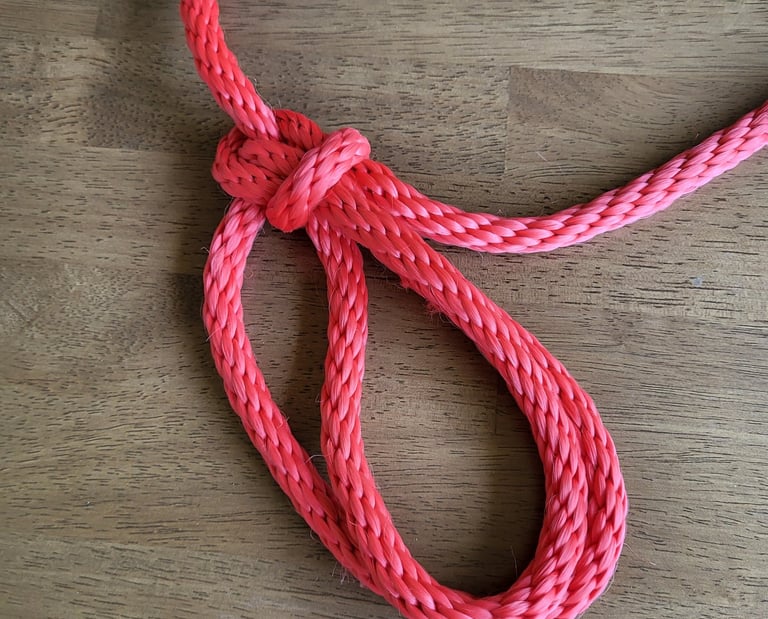
Set and Dress: Pull the working bight and the standing parts in opposite directions to seat the knot firmly. Unlike other variations, the second auxiliary loop formed during this process does not contribute to the knot's structural integrity, allowing you to focus your tension on the primary load-bearing loop. Both loops can be used, making a double bowline, but it is by no means necessary to utilize the tag end loop.
History and Origins
The knot was formally cataloged by Clifford Ashley in his definitive 1944 work, The Ashley Book of Knots, under entry #1074. While traditional maritime rigging heavily favored the dual-loop Bowline on a Bight (#1080) for making heavy boatswain's chairs, the Bowline with a Bight was noted as a distinct variation designed to achieve a midline loop with less bulk and rope consumption. Over the decades, it became a "lost art" variant, overlooked by standard training manuals but kept alive by specialized industrial riggers who prize efficiency and minimal bulk over common convention.
Applications for Electricians
In industrial wire pulling and heavy material handling, the clean, low-bulk profile of the Bowline With a Bight offers distinct mechanical advantages:
The Ultimate Midline Loop for a Trucker’s Hitch: This knot is arguably the best tool for throwing a Trucker's Hitch directly into the middle of a long line. By passing the rope around your lower pivot point, crossing the working side over and under the standing line, and pulling a bight to tie the Bowline With a Bight, you effectively capture the working side. This allows you to build a powerful mechanical advantage system without having to feed hundreds of feet of rope through a standard midline loop.
Snag-Free Midline Pulls: Because you don't wrap a sprawling loop around the entire knot structure (like a Bowline on a Bight), the Bowline with a Bight stays remarkably compact. This makes it ideal for attaching auxiliary pulling grips in tight cable trays or enclosures where a bulkier knot would easily snag on existing conductors. I have also found the Bowline with a Bight to be more stable and reliable than the Bowline on a Bight.
Temporary Vertical Drop Points: When routing long vertical wire runs down a shaft, you can drop this knot into the midline to hook up temporary support lines or hoisting blocks without interrupting the main run or needing access to either end of the rope.
Efficient Load Distribution & Release: It provides a highly reliable, non-jamming attachment point that easily unties even after a high-torque mechanical pull, saving expensive pulling ropes from being cut out of frustration at the end of a shift.
Safety Disclaimer: ⚠️ Material Handling Only
The knots and techniques demonstrated on this site are intended strictly for material handling, wire pulling, and equipment securement. > Never use these hitches and knots for life safety, fall protection, or overhead lifting of loads where a failure could result in injury or death. Always use OSHA-compliant, load-rated hardware (harnesses, shackles, and slings) for critical lifts. Your safety team is there for a reason—consult them for high-risk tasks. Master the craft, stay out of pinch points, respect the load, and live to tie knots another day.
Questions or tips? Reach out anytime. I would love to hear about new knots and techniques.
Check out my YouTube channel for knot tying, rigging tips, and other electrician related tutorials.
© 2025. All rights reserved.
I made this website by myself with Hostinger Website Builder. Try it and start building your idea, today.