Running Bowline Knot
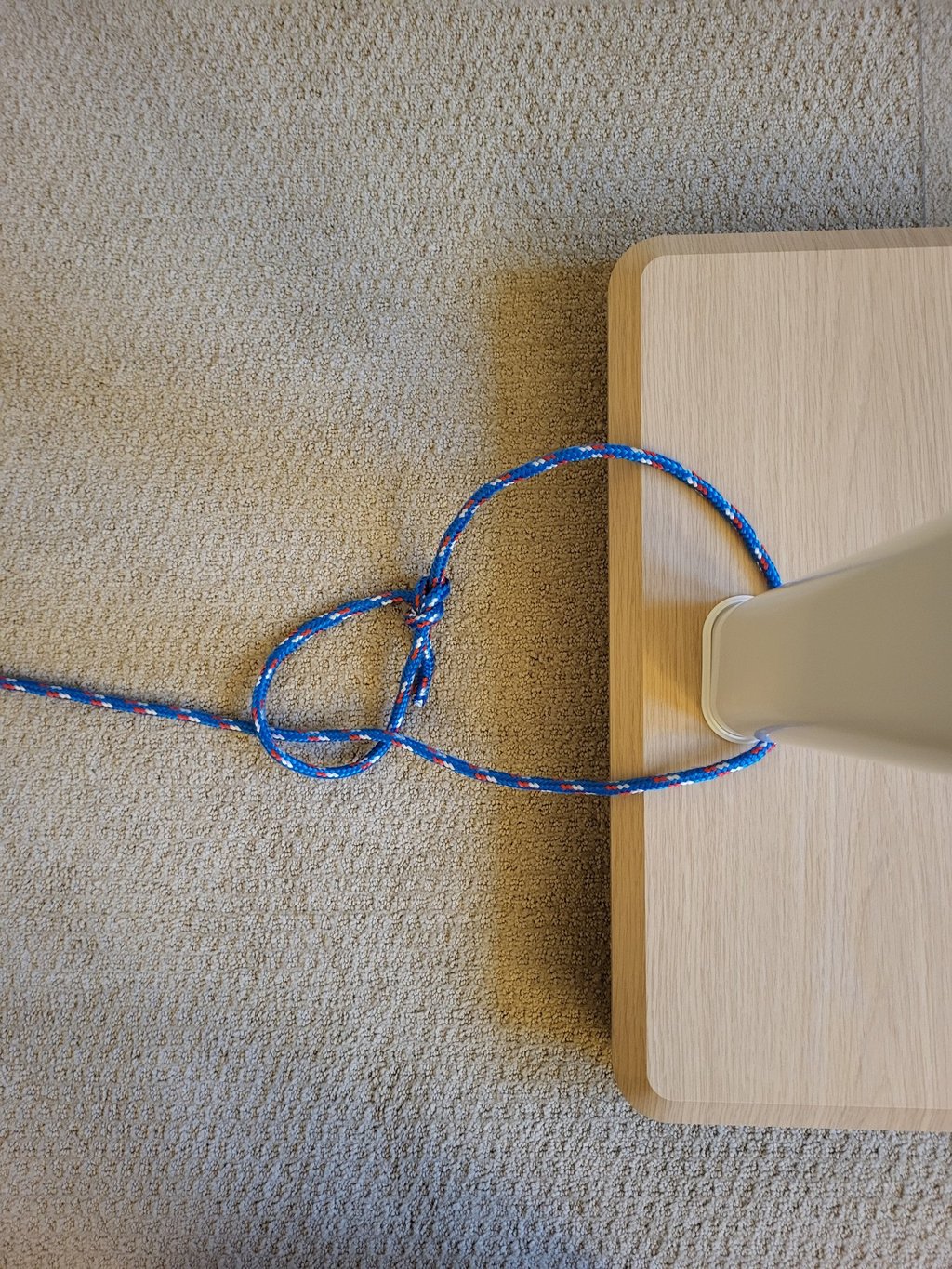
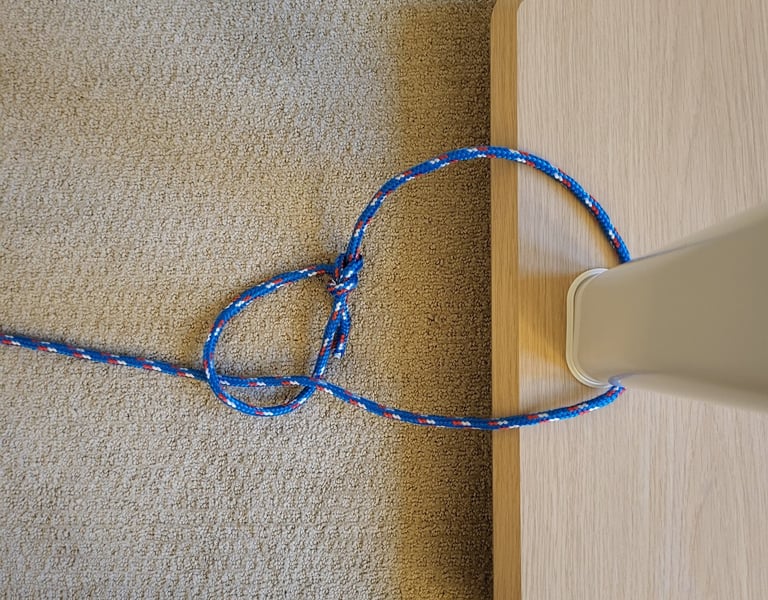
The Running Bowline is essentially a Bowline Knot tied around its own standing line to create a sliding loop. This allows the knot to cinch down tightly on materials or serve as a high-strength adjustable anchor.
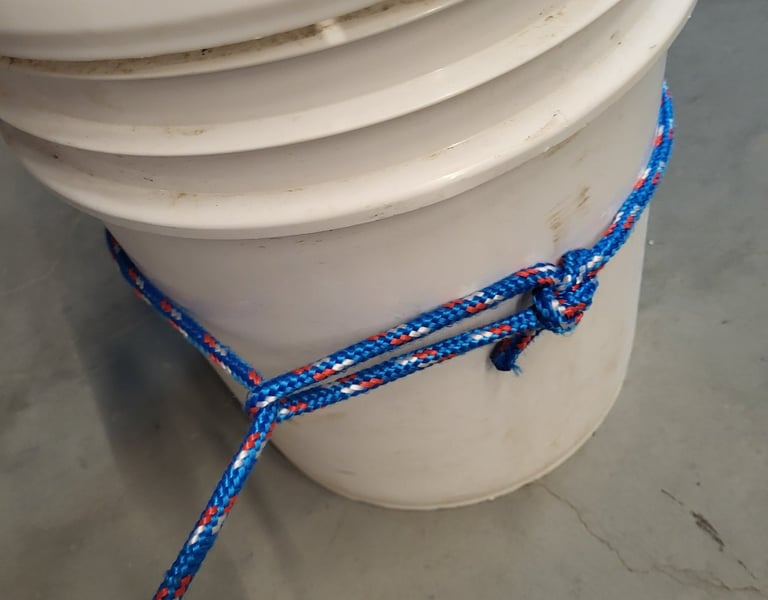
When to Use a Running Bowline:
This knot is a job-site essential for bundling loose materials like Unistrut, PVC, or conduit. Depending on your task, there are three primary ways to utilize its cinching power:
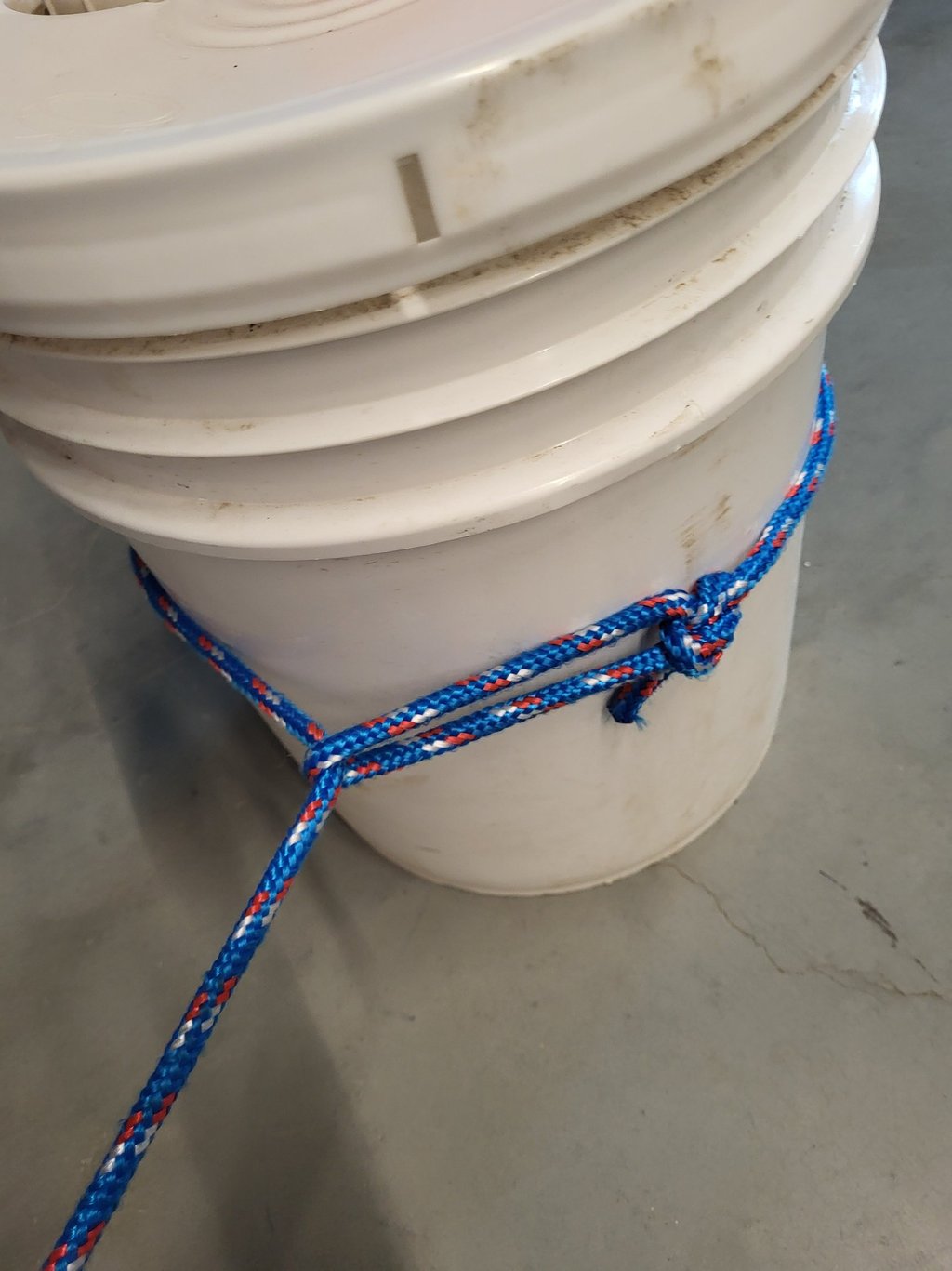
The Lasso Method: Best for suspending multiple coils of wire or light bundles where gravity helps maintain tension.
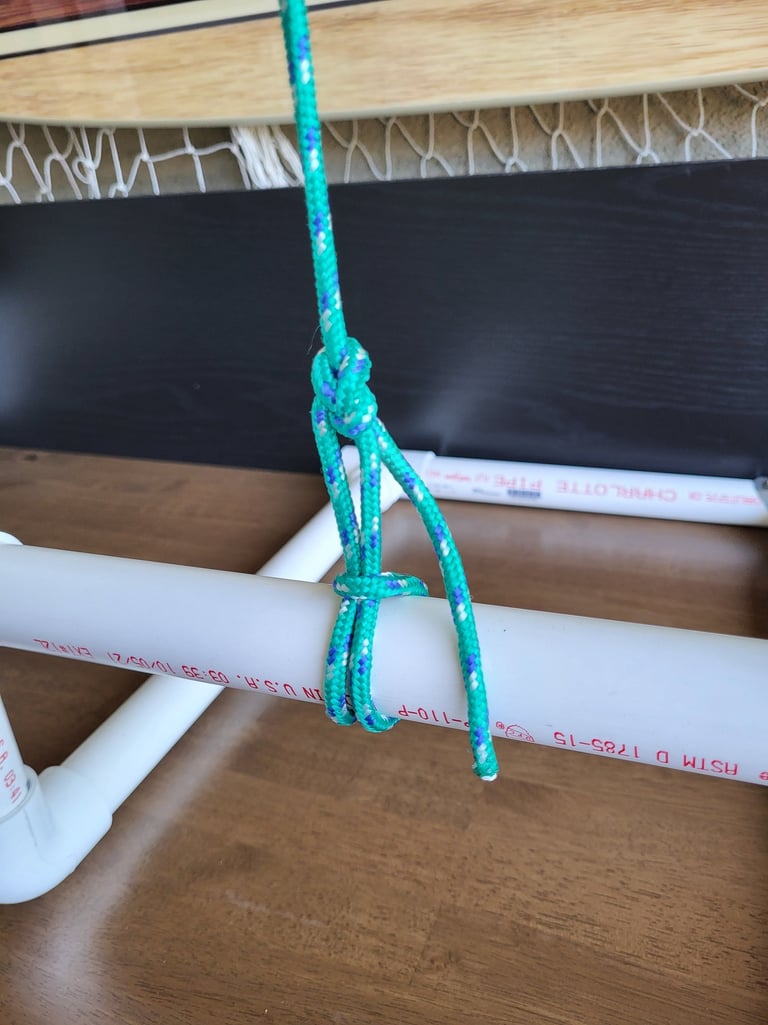
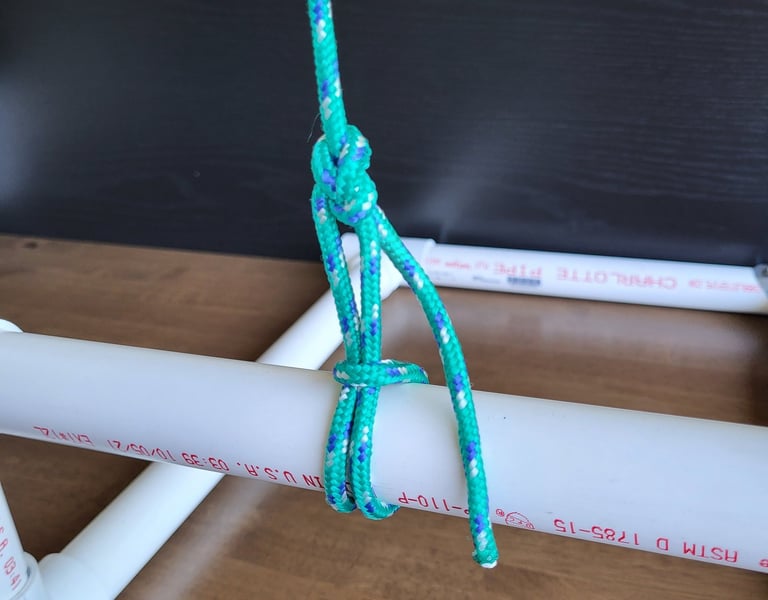
The Anchored Method: For heavy bundles (like 2" PVC pipe) that might slide, anchor the bowline to one piece of material first, then pull to secure the rest of the bundle.
Running Bowline in a Bight:
Tying this knot mid-line using a bight allows you to create a sliding loop without needing an open end. In rigging scenarios, this (or the Span Loop) serves as the primary mechanical advantage point for a Trucker’s Hitch, allowing you to cinch down materials with maximum tension.
Tethering tools. Use a Running Bowline to secure tools and materials while working at elevation. By tying a short mule tape lanyard to your lift's guardrails, you create a reliable cinching anchor that prevents accidental drops and equipment damage.

How to Tie:
Method 1: Tie a standard Bowline, then pass the standing line through the loop to create your "lasso."
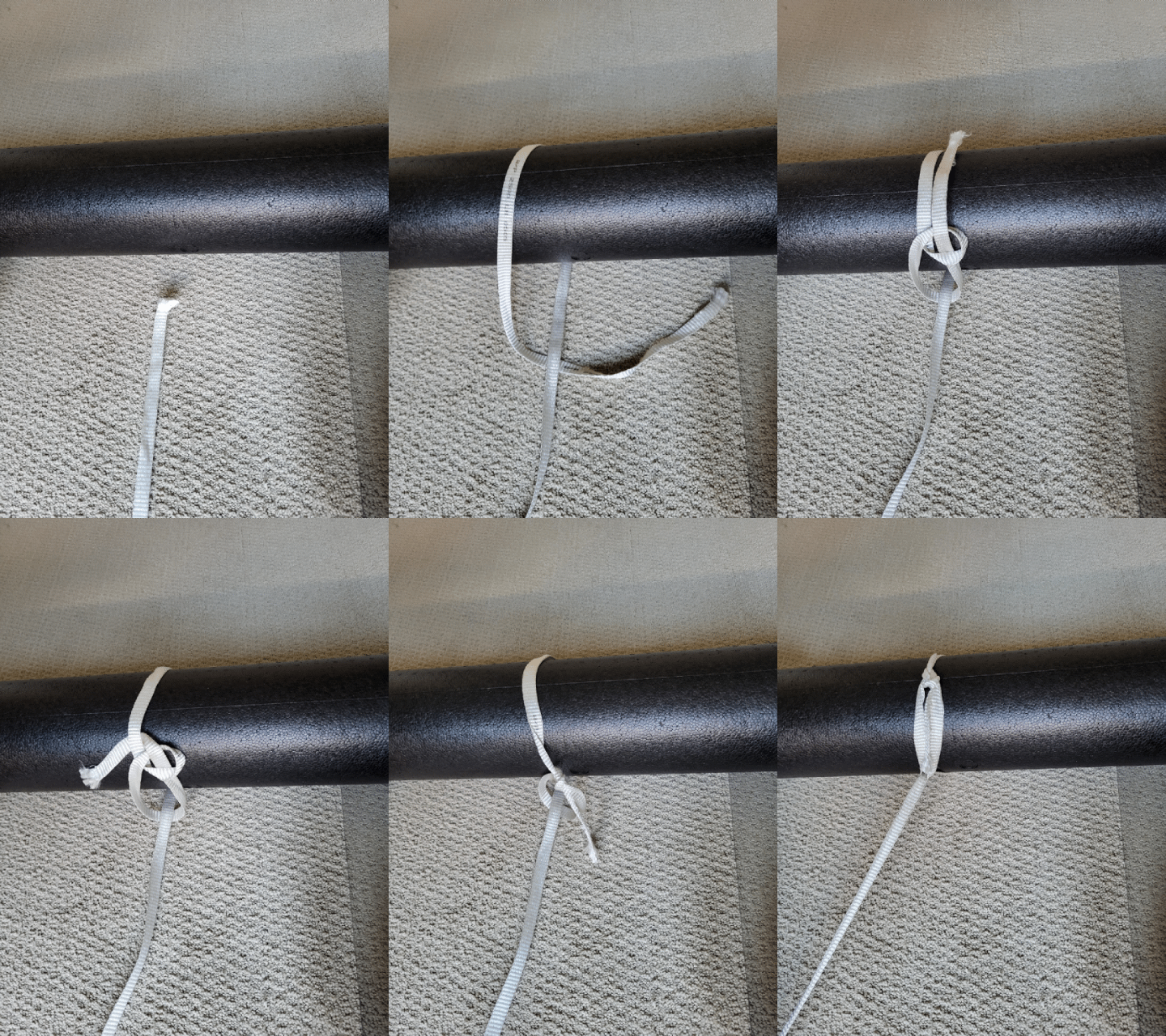
Method 2 (Around Objects): If you are tying around a fixed object like a pole or tree, wrap the rope around the object first, then tie a Bowline that "captures" the standing part of the rope inside the loop.
Want to learn more of the greatest Electrican and Construction focused knots? Give this a shot: Top 10 Electrician's Knots
The Ultimate Non-Slip Anchor:
Unlike a standard bowline, which can slide down smooth surfaces if tension is lost, the running bowline excels as a non-slip anchor. If you are tying around a vertical I-Beam or a column, the cinching action allows it to grip the steel and stay in place exactly where you set it.
Pro Tip: When used for bundling, the Running Bowline requires tension to stay tight, as it can slip if the line is slack. Always secure it with slipped Half-Hitches or keeper knots if the load isn't constant.
Safety Disclaimer: ⚠️ Material Handling Only
The knots and techniques demonstrated on this site are intended strictly for material handling, wire pulling, and equipment securement. > Never use these hitches and knots for life safety, fall protection, or overhead lifting of loads where a failure could result in injury or death. Always use OSHA-compliant, load-rated hardware (harnesses, shackles, and slings) for critical lifts. Your safety team is there for a reason—consult them for high-risk tasks. Master the craft, stay out of pinch points, respect the load, and live to tie knots another day.
Questions or tips? Reach out anytime. I would love to hear about new knots and techniques.
Check out my YouTube channel for knot tying, rigging tips, and other electrician related tutorials.
© 2025. All rights reserved.
I made this website by myself with Hostinger Website Builder. Try it and start building your idea, today.