Prusik Hitch
The Prusik hitch is the classic friction hitch that serves as the foundation for modern climbing and rigging techniques. Originally designed for arborists and mountaineers, this versatile knot is unique for its "slide-and-grip" functionality, allowing it to move freely along a host rope when unloaded and lock firmly in place when tension is applied. Unlike many other friction hitches, the Prusik is bidirectional, meaning it can hold a load from either direction, making it a reliable choice for securing lines or creating adjustable attachment points.
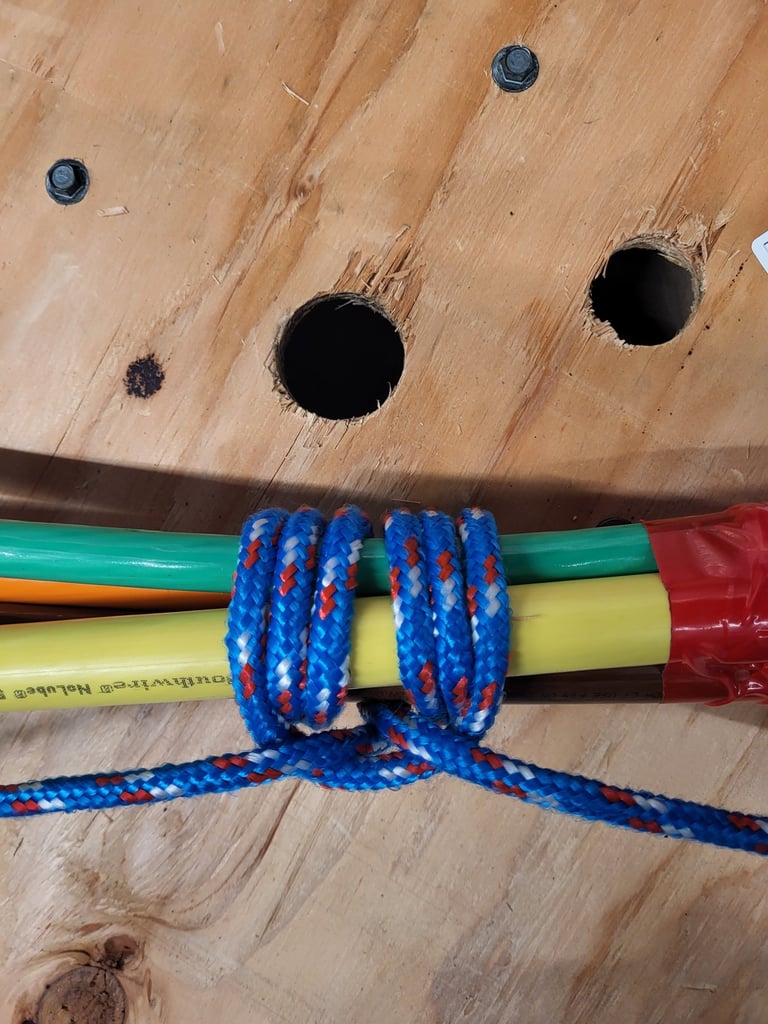
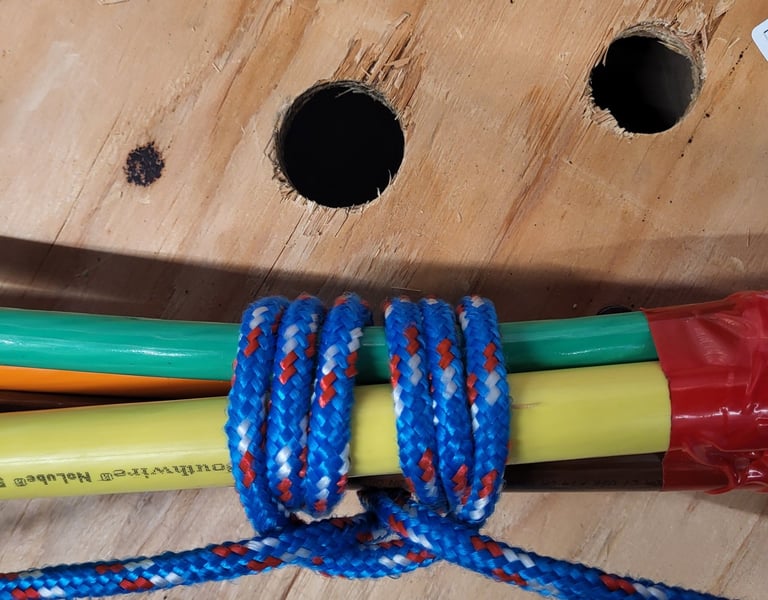
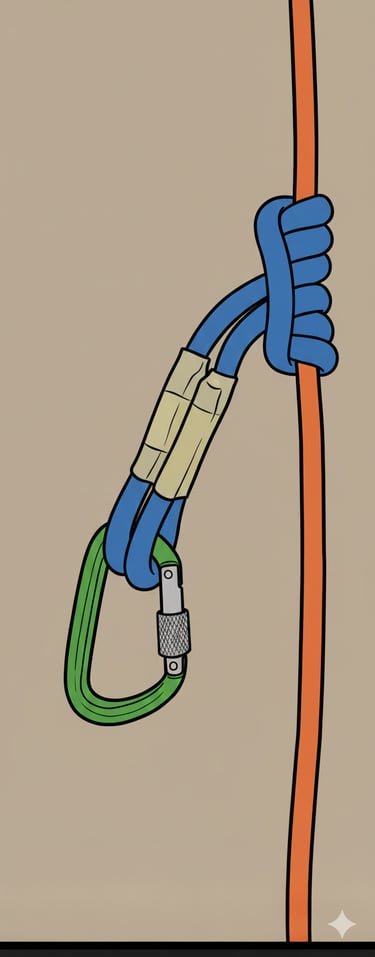
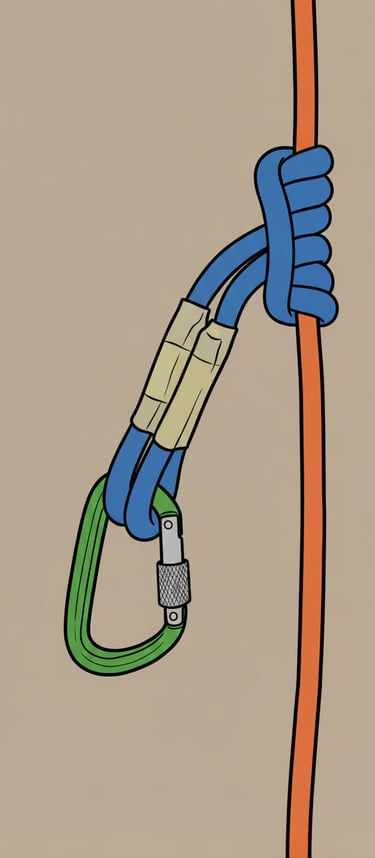
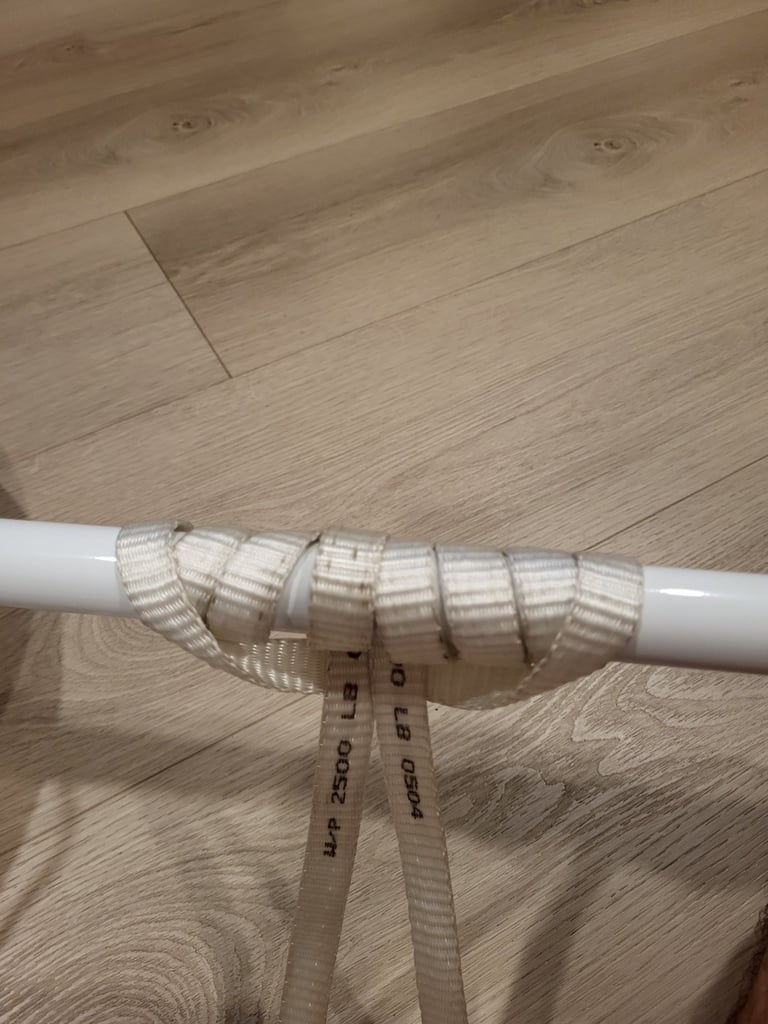
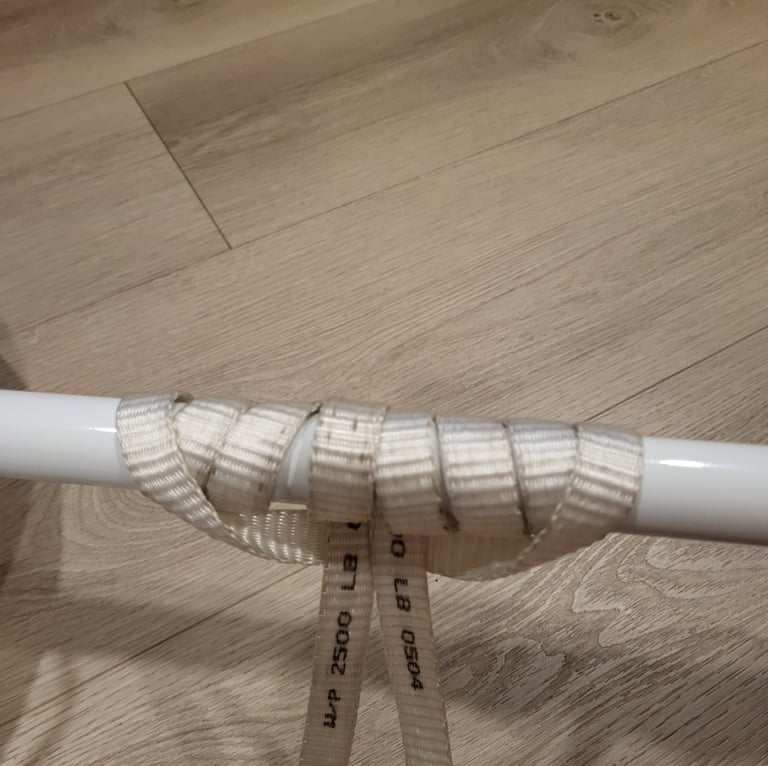
A prusik knot set up for climbing ropes
How to Tie a Prusik Hitch
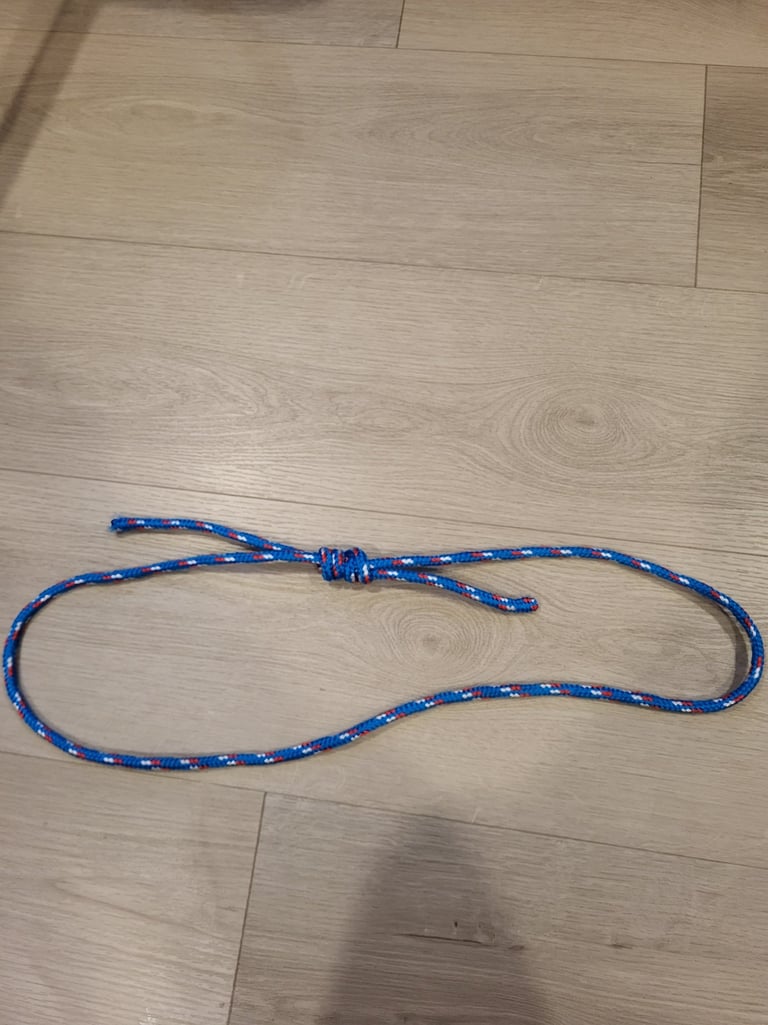
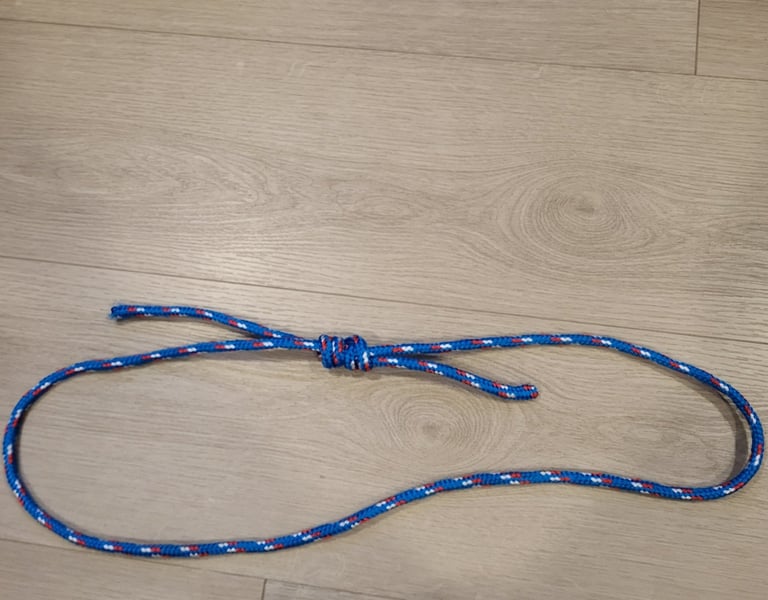
Follow these steps to create a secure friction hitch for rigging, wire pulling, or climbing. It can be tied either with a closed loop of rope or with a short section of rope. If you desire a loop, make one by splicing together a section of cord with a Double Fisherman's Knot:
How to Utilize a Prusik Hitch as an Electrician
In the Electrical field has a few limited uses as our pulling forces are primarily in a single direction.
Strain Relief: In electrical and utility work, the Prusik is an excellent tool for supporting temporary overhead cables. By tying off ends in opposite directions, you can ensure the cable remains secure regardless of which way the line is tensioned.
Progress Capture: It is frequently used in hauling systems to prevent a load from slipping back down the line during a pull.
Ascending and Rigging: For rope access and material handling, it acts as a mechanical replacement for a rope grab, allowing for controlled movement and positioning.
Tensioning: It is ideal for creating adjustable "soft" attachments on a main line without damaging the rope fibers.
Looking for a more efficient option?
While the Prusik is a dependable and time-tested choice, it can sometimes be difficult to release after being heavily loaded. For more modern construction and utility applications where forces are primarily unidirectional, both the Schwäbisch hitch and Icicle Hitch offer a more effective alternative that is easier to adjust and untie. To learn more about this advanced construction hitch, visit our guide on the Schwäbisch hitch.
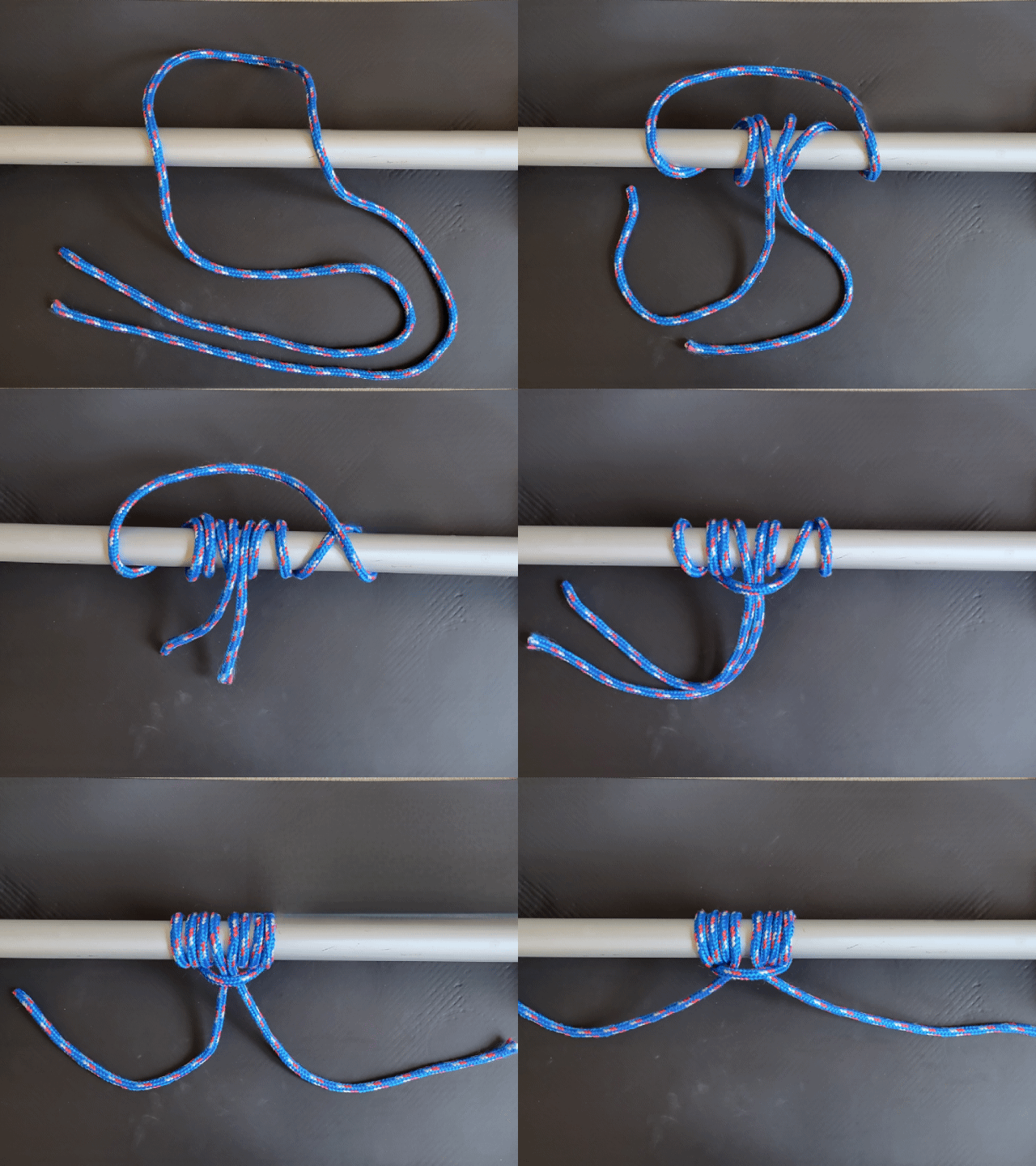
* Position the Cord: Lay a bight from the middle of your cord section or the 'prusik loop' horizontally behind the main static rope or cable you intend to grip.
* The First Pass: Pass the knotted end of the loop or the tails of the cord over the main rope and tuck it through the other end of the loop (a standard girth hitch).
* The Second Pass: Wrap the same end around the main rope a second time, following the path of the first wrap inside the loop.
* The Third Pass (Optional): For slicker synthetic cables or heavier loads, perform a third wrap inside the loop to increase friction.
* Dress the Knot: Arrange the coils so they lie flat and parallel against each other without overlapping or crossing.
* Set the Hitch: Pull the tail end of the loop firmly to tighten the coils around the main line.
* Verify: Ensure the hitch slides freely when moved by the barrel but locks securely when tension is applied to the tail.
Safety Disclaimer: ⚠️ Material Handling Only
The knots and techniques demonstrated on this site are intended strictly for material handling, wire pulling, and equipment securement. > Never use these hitches and knots for life safety, fall protection, or overhead lifting of loads where a failure could result in injury or death. Always use OSHA-compliant, load-rated hardware (harnesses, shackles, and slings) for critical lifts. Your safety team is there for a reason—consult them for high-risk tasks. Master the craft, stay out of pinch points, respect the load, and live to tie knots another day.
Questions or tips? Reach out anytime. I would love to hear about new knots and techniques.
Check out my YouTube channel for knot tying, rigging tips, and other electrician related tutorials.
© 2025. All rights reserved.
I made this website by myself with Hostinger Website Builder. Try it and start building your idea, today.