The Half Hitch Knot: A Fundamental Tool For Electricians
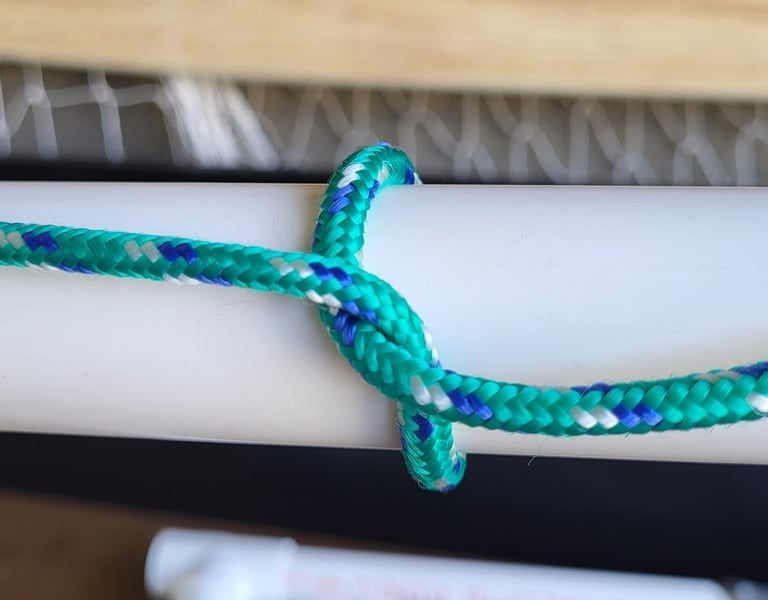
The Half Hitch is the most basic building block of rigging and knot-tying. While it is rarely used as a standalone knot for heavy loads, it is an essential component for more complex hitches and is often used to "finish" other knots. In the electrical trade, the Half Hitch is a versatile tool for guiding wire through conduit and securing equipment.This is one of the most basic elements of knot tying and is a good foundation for high quality rope work. It's not complicated though, its just a twisted loop!
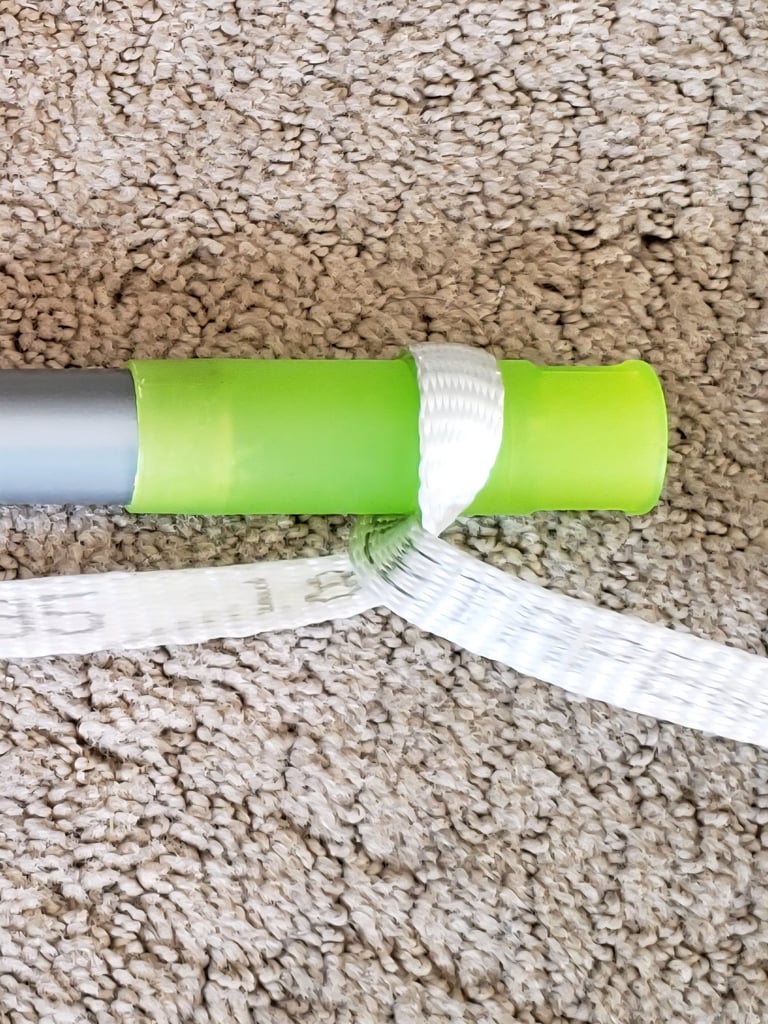
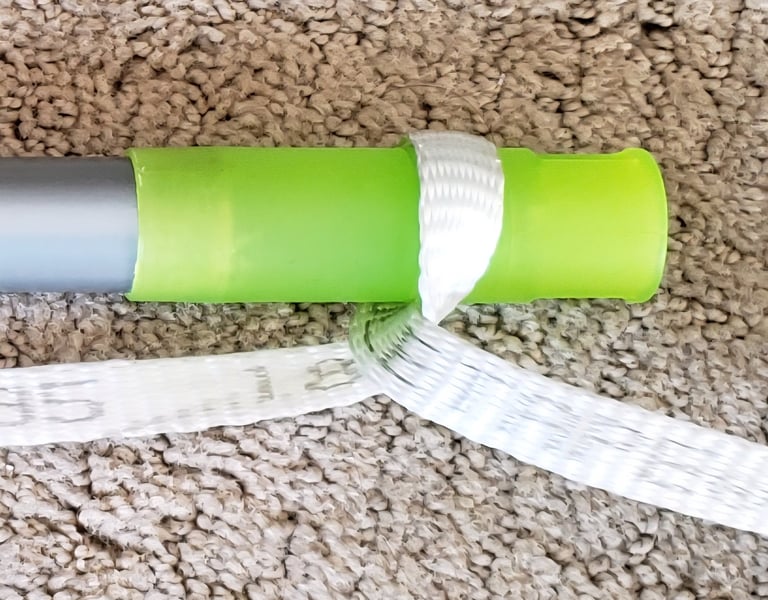
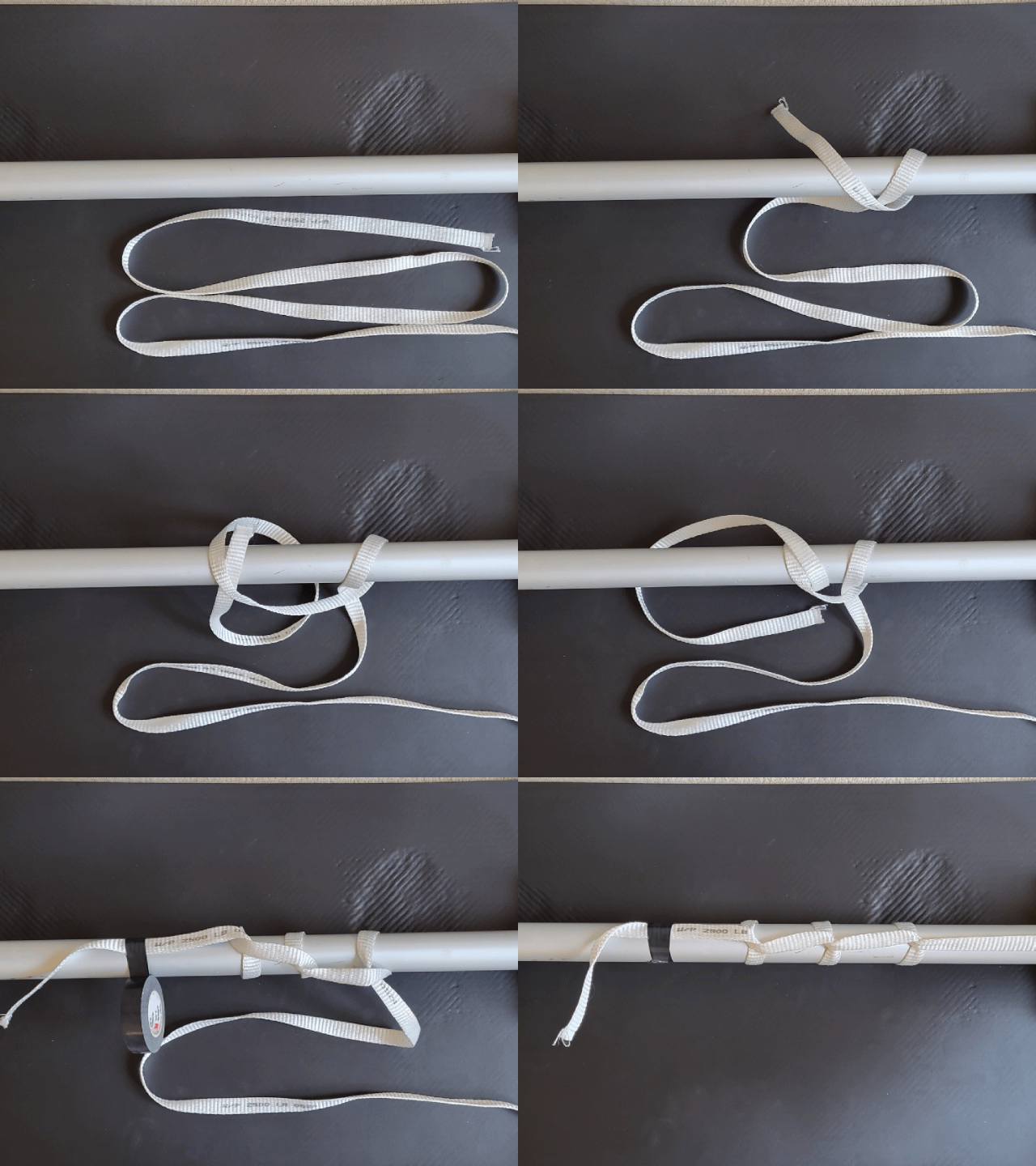
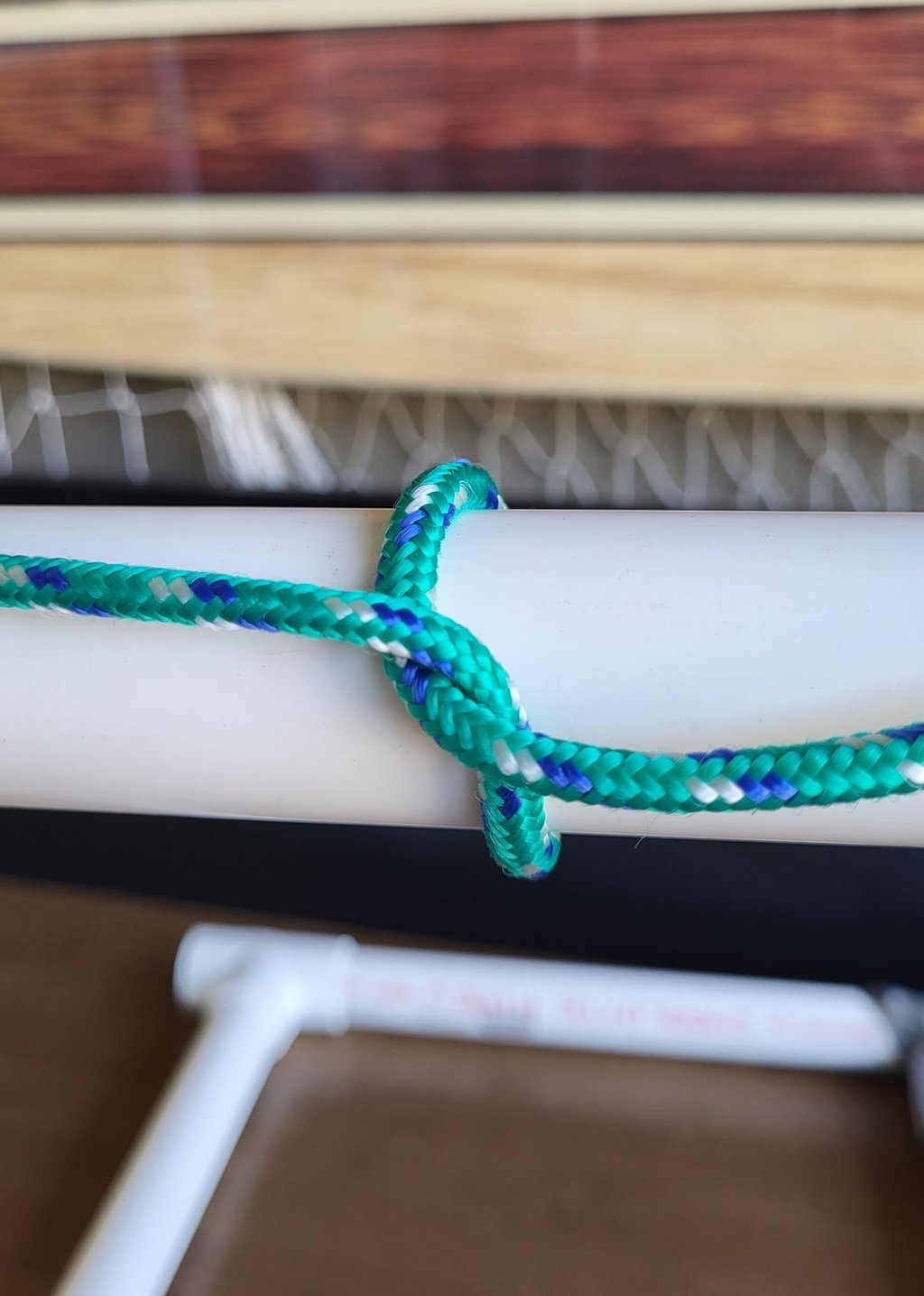
How to Tie a Half Hitch
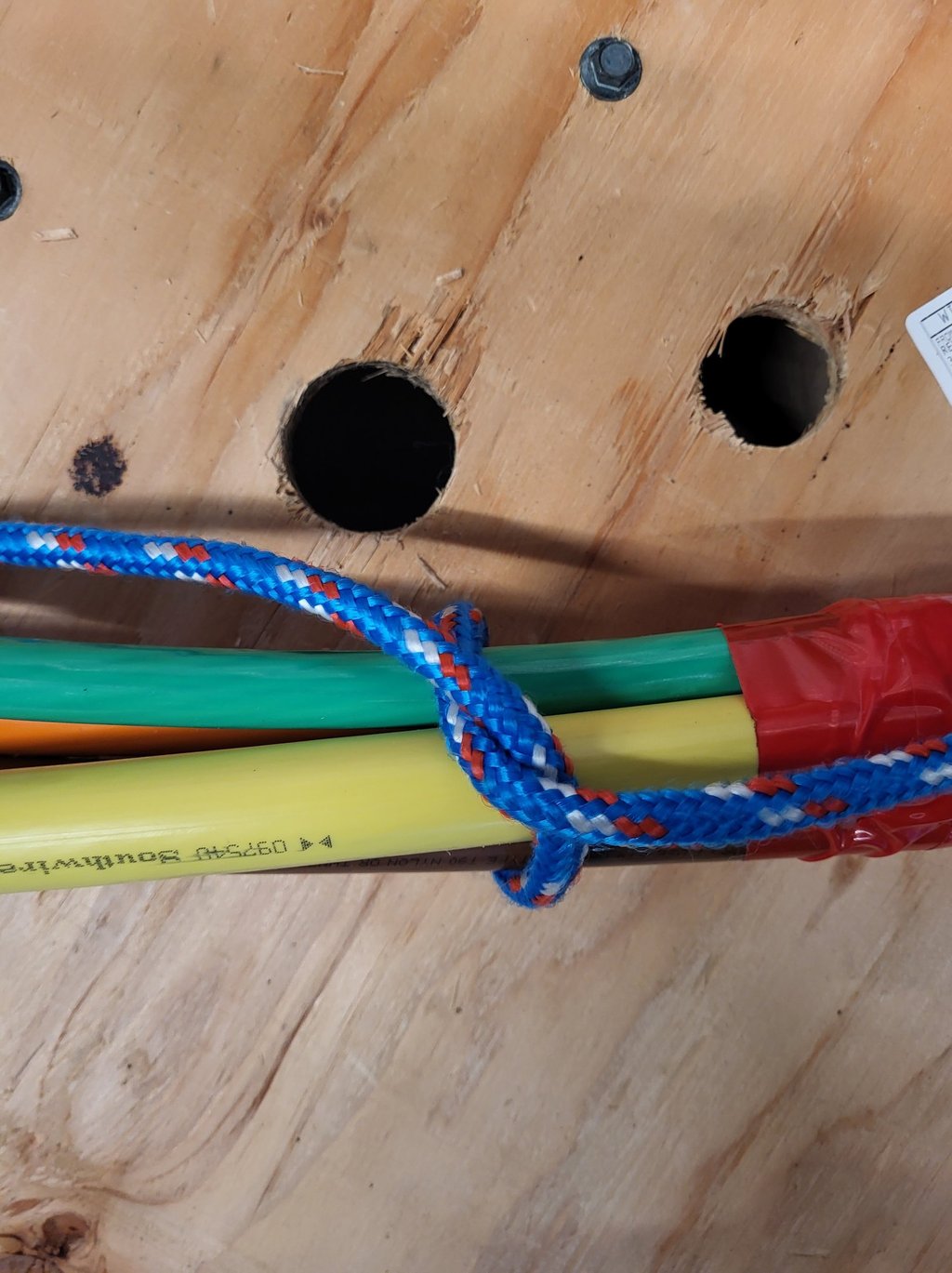
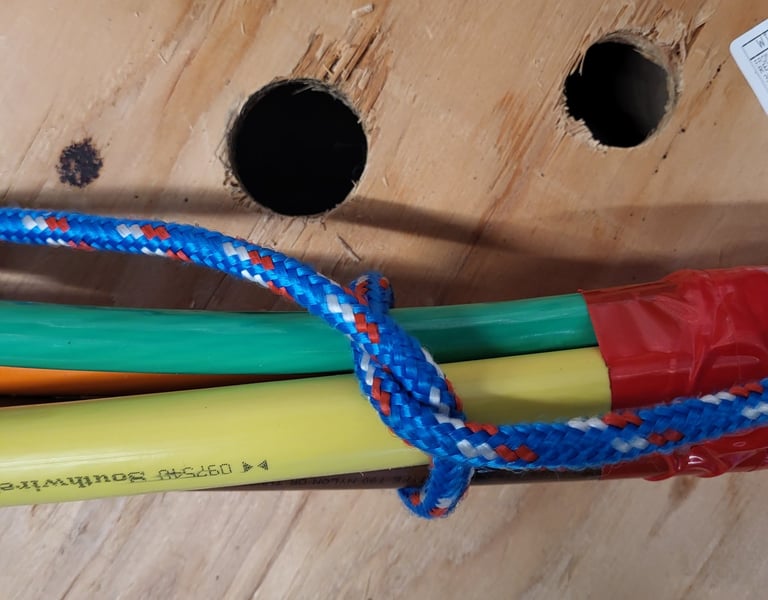
Create a Loop: Pass the tag end of the rope around the object (or the standing part of the rope).
Thread the End: Pass the tag end over and across the loop you just created.
Tighten: Pull both ends to snug the loop against the object.
Pro Tip: If you tie this with a bight (a fold in the rope) instead of the end, it becomes a Slipped Half Hitch, allowing for a quick-release finish. Just pull the tag end and it will easily open up.
Why Electricians Use the Half Hitch
In wire pulling and material handling, the Half Hitch serves three primary purposes:
Securing the Tag End: Use a Half Hitch to tidy up the tail of a more complex knot, preventing it from snagging inside the pipe or catching while transporting a load through a tight corridor.
Finishing a Round Turn or Trucker's Hitch: Adding a Half Hitch or two at the end of these and other tensioning knots provides an extra and necessary layer of security.
Guiding Wire Heads: When pulling large wire through conduit or cable tray, a Half Hitch tied close to the tip of the "head", above the Schwäbisch or other anchoring hitches, helps the wire transition smoothly through 90-degree bends and fittings.
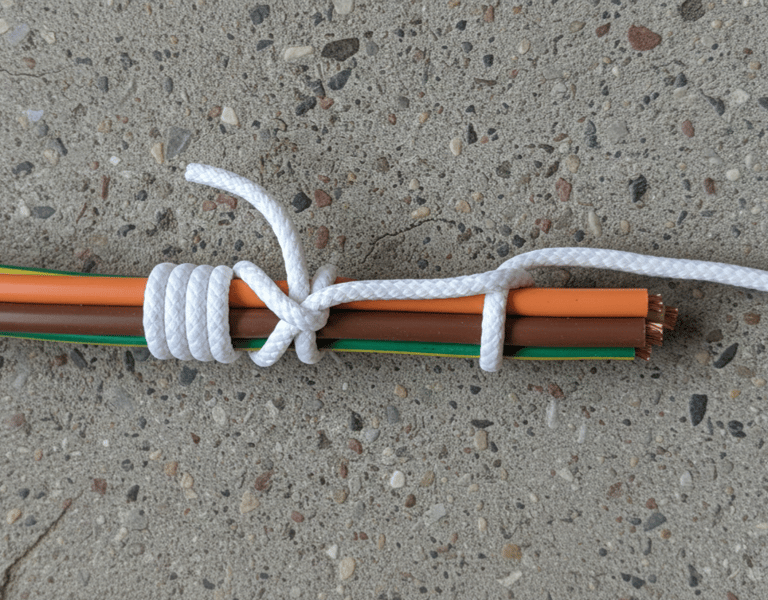
The Lineman’s Rule of Three
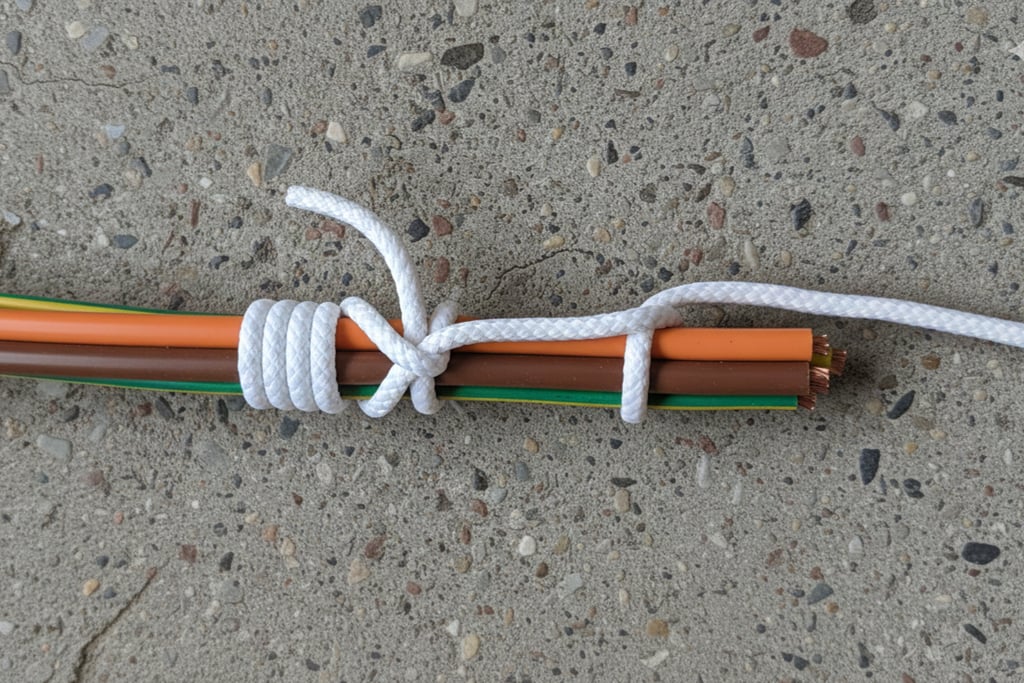
There is an old saying in the trade regarding the strength of multiple half hitches:
"One will hold a man, two will lift a horse, and three will pull the world."
Three Half Hitches is one of the base standard methods for making up a wire pulling head. While this is a great rule of thumb for remembering to stack your hitches, always remember that for heavy wire pulls, the tag end should be secured with electrical tape to prevent the hitches from "walking" or loosening under tension.
Wrapping Up: From Hitches to Wire Pulls
While the Half Hitch is a fundamental skill, it is rarely the star of the show on its own. In the world of an electrician, this knot is the reliable "sidekick" that ensures your main pulling knots don't slip, snag, or fail under the pressure of a long run through conduit.
Now that you’ve mastered the basics of the Half Hitch, it’s time to see how it integrates into a full rigging setup. Whether you are prepping a complex head for a 500kcmil pull or just securing a small bundle of 12 AWG, knowing which heavy-duty hitches to pair it with is what separates a pro from an apprentice.
Ready to level up your rigging game? Check out my full guide on Pulling Hitches for Electricians to learn the best knots for every wire-pulling scenario.


Safety Disclaimer: ⚠️ Material Handling Only
The knots and techniques demonstrated on this site are intended strictly for material handling, wire pulling, and equipment securement. > Never use these hitches and knots for life safety, fall protection, or overhead lifting of loads where a failure could result in injury or death. Always use OSHA-compliant, load-rated hardware (harnesses, shackles, and slings) for critical lifts. Your safety team is there for a reason—consult them for high-risk tasks. Master the craft, stay out of pinch points, respect the load, and live to tie knots another day.
Questions or tips? Reach out anytime. I would love to hear about new knots and techniques.
Check out my YouTube channel for knot tying, rigging tips, and other electrician related tutorials.
© 2025. All rights reserved.
I made this website by myself with Hostinger Website Builder. Try it and start building your idea, today.